Top videos
A pulmonary embolism (PE) usually happens when a blood clot called a deep vein thrombosis (DVT), often in your leg, travels to your lungs and blocks a blood vessel. That leads to low oxygen levels in your blood. It can damage the lung and other organs and cause heart failure, too. A PE can be life-threatening, so if you've been diagnosed with DVT, you should be aware of this risk. Follow the treatment plan for your DVT to stop the clot from getting bigger and to keep new clots from forming. Symptoms and Diagnosis PE won't always cause symptoms. You might have: Chest pain, which may get worse with a deep breath Sudden shortness of breath or rapid breathing Fast heartbeat Sudden cough Coughing up blood Lightheadedness or fainting Anxiety Call 911 if you notice these symptoms. They could also be symptoms of a heart attack, pneumonia, or other serious problems.
Mitral valve regurgitation, known as leaky heart valve, can be treated with the MitraClip procedure, especially if you're not a candidate for surgery. As premier heart specialists in the Rocky Mountains, Aurora Denver Cardiology Associates physicians perform this procedure and believe it can be an essential treatment for heart health.
S-ICD leaves the heart and vasculature untouched. It may be implanted using only anatomical landmarks, thereby eliminating the need for fluoroscopy during implant and therefore reducing radiation exposure for both patients and physicians and eliminating the need for lead apron during implant.
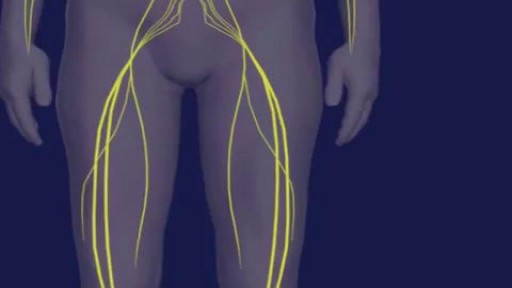
Decompression is a surgical procedure that is performed to alleviate pain caused by pinched nerves (neural impingement). During a lumbar decompression back surgery, a small portion of the bone over the nerve root and/or disc material from under the nerve root is removed to give the nerve root more space and provide a better healing environment. There are two common types of spine surgery decompression procedures: Microdiscectomy Lumbar Microdiscectomy Microdiscectomy Surgery Video A microdiscectomy (a microdecompression) is typically performed for pain from a lumbar herniated disc. The surgery is considered reliable for leg pain caused by the herniated disc, most commonly called sciatica by patients, and most commonly referred to by medical practitioners as a radiculopathy. Read more about Microdiscectomy Surgery
Disc Disease Videos Watch Disc Disease Videos There are several symptoms that are fairly consistent for people with lower back pain or neck pain from degenerative disc disease, including: Pain that is usually related to activity and will flare up at times but then return to a low-grade pain level, or the pain will go away entirely The amount of chronic pain—referred to as the patient's baseline level of pain—is quite variable between individuals and can range from almost no pain/just a nagging level of irritation, to severe and disabling pain Severe episodes of back or neck pain that will generally last from a few days to a few months before returning to the individual's baseline level of chronic pain Chronic pain that is completely disabling from degenerative disc disease does happen in some cases, but is relatively rare See Treating Chronic Pain and Depression from Degenerative Disc Disease
There are four major blood groups determined by the presence or absence of two antigens – A and B – on the surface of red blood cells: Group A – has only the A antigen on red cells (and B antibody in the plasma) Group B – has only the B antigen on red cells (and A antibody in the plasma) Group AB – has both A and B antigens on red cells (but neither A nor B antibody in the plasma) Group O – has neither A nor B antigens on red cells (but both A and B antibody are in the plasma)
Some common signs of spinal tumors may include the following: Pain (back and/or neck pain, arm and/or leg pain) Muscle weakness or numbness in the arms or legs. Difficulty walking. General loss of sensation. Difficulty with urination (incontinence) Change in bowel habits (retention) Paralysis to varying degrees.
Bone cancer symptoms. Possible symptoms of bone cancer include: Bone pain: Pain is the most common sign of bone cancer, and may become more noticeable as the tumor grows. Bone pain can cause a dull or deep ache in a bone or bone region (e.g., back, pelvis, legs, ribs, arms).
Eye cancers can be primary (starts within the eye) and metastatic cancer (spread to the eye from another organ). The two most common cancers that spread to the eye from another organ are breast cancer and lung cancer. Other less common sites of origin include the prostate, kidney, thyroid, skin, colon and blood or bone marrow. Melanomas (choroidal, ciliary body and uveal) -Early stages has no symptoms (the person does not know there is a tumor until an ophthalmology examination). As the tumor grows, symptoms can be blurred vision, decreased vision, double vision, eventual vision loss and if they continue to grow the tumor can break past the retina causing retinal detachment.
Hysterectomy is the surgical removal of the uterus. It ends menstruation and the ability to become pregnant. Depending on the reason for the surgery, a hysterectomy may also involve the removal of other organs and tissues such as the ovaries and/or fallopian tubes.
mammoplasty, is a surgical enhancement procedure to accentuate the size and shape of a woman’s breasts. While breast augmentation will make the breasts larger, the surgery will not move the breasts closer together or lift sagging breasts. Breast augmentation is tremendous help to patients who desire a fuller profile, who have lost breast volume due to pregnancy or nursing, or who have undergone breast reconstruction and want to gain a more natural look again.
If you’re like me, you probably hook your chest tube up to a Pleur-Evac, put it on the ground, then back away slowly. Who knows what goes on in that mysterious bubbling white box? Hopefully this will post shed some light. Isn’t this just a container for stuff that comes out of the chest? Why does it look so complicated? It’s complicated because the detection/collection of air and fluid require different setups. Most commercial models also allow you to hook the drainage system to wall suction, so you can quickly evacuate the pleural space. This requires its own setup. Because of the need to juggle air, fluid and suction, the most common commercial system includes 3 distinct chambers. If you were to simplify the device, or build one out of spare bottles and tubes, it might look like this:
Hydrocephalus can be fatal if left untreated. The damage to the brain can cause headaches, vomiting, blurred vision, cognitive problems, and walking difficulties. The term water on the brain is incorrect, because the brain is surrounded by CSF (cerebrospinal fluid), and not water.Oct 8, 2015
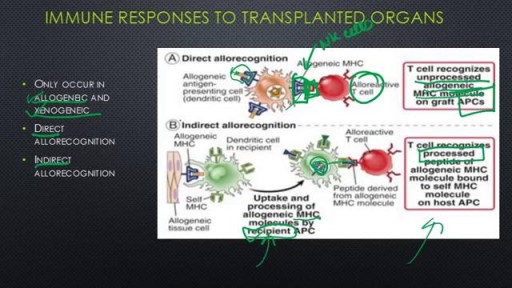
Kidney transplant surgery carries a risk of significant complications, including: Blood clots Bleeding Leaking from or blockage of the tube (ureter) that links the kidney to the bladder Infection Failure of the donated kidney Rejection of the donated kidney An infection or cancer that can be transmitted with the donated kidney Death, heart attack and stroke
The heart weighs between 7 and 15 ounces (200 to 425 grams) and is a little larger than the size of your fist. By the end of a long life, a person's heart may have beat (expanded and contracted) more than 3.5 billion times. In fact, each day, the average heart beats 100,000 times, pumping about 2,000 gallons. Your heart is located between your lungs in the middle of your chest, behind and slightly to the left of your breastbone (sternum). A double-layered membrane called the pericardium surrounds your heart like a sac. The outer layer of the pericardium surrounds the roots of your heart's major blood vessels and is attached by ligaments to your spinal column, diaphragm, and other parts of your body. The inner layer of the pericardium is attached to the heart muscle. A coating of fluid separates the two layers of membrane, letting the heart move as it beats. Your heart has 4 chambers. The upper chambers are called the left and right atria, and the lower chambers are called the left and right ventricles. A wall of muscle called the septum separates the left and right atria and the left and right ventricles. The left ventricle is the largest and strongest chamber in your heart. The left ventricle's chamber walls are only about a half-inch thick, but they have enough force to push blood through the aortic valve and into your body.