
- Physical Examination
- Surgical Examination
- Ophthalmology
- Clinical Skills
- Orthopedics
- Surgery Videos
- Laparoscopy
- Pediatrics
- Funny Videos
- Cardiothoracic Surgery
- Nursing Videos
- Plastic Surgery
- Otorhinolaryngology
- Histology and Histopathology
- Neurosurgery
- Dermatology
- Pediatric Surgery
- Urology
- Dentistry
- Oncology and Cancers
- Anatomy Videos
- Health and Fitness
- Radiology
- Anaesthesia
- Physical Therapy
- Pharmacology
- Interventional Radiology
- Cardiology
- Endocrinology
- Gynecology
- Emergency Medicine
- Psychiatry and Psychology
- Childbirth Videos
- General Medical Videos
- Nephrology
- Physiology
- Diet and Food Health
- Diabetes Mellitus
- Neurology
- Women Health
- Osteoporosis
- Gastroenterology
- Pulmonology
- Hematology
- Rheumatology
- Toxicology
- Nuclear Medicine
- Infectious Diseases
- Vascular Disease
- Reproductive Health
- Burns and Wound Healing
- Other
Top videos
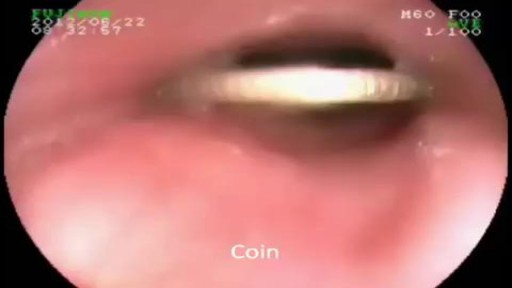

Endoscopic Removal of Coin from Esophagus
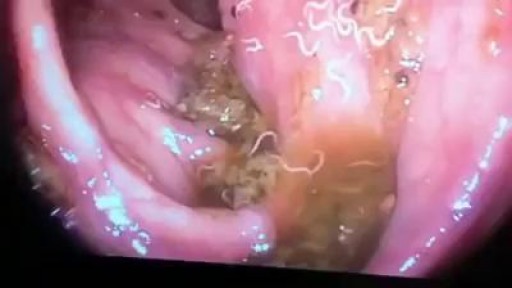
Worms Inside Human Stomach
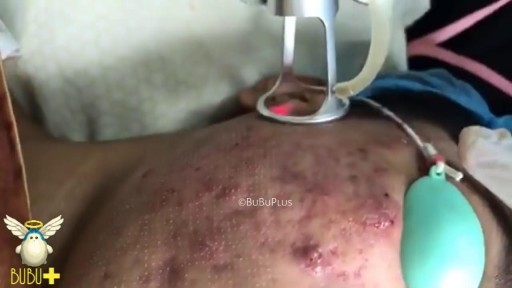
Laser Cystic Acne and Pimples Extraction
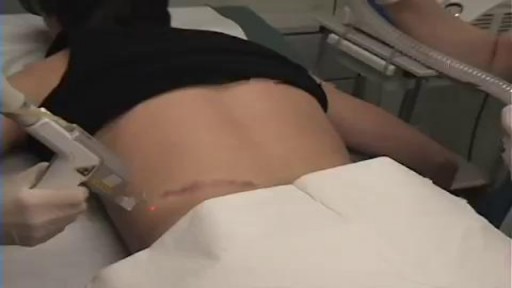
aser treatment for scars reduces the appearance of scars. It uses focused light therapy to either remove the outer layer of the skin’s surface or stimulate the production of new skin cells to cover damaged skin cells. Laser treatment for scars can reduce the appearance of warts, skin wrinkles, age spots, scars, and keloids. It doesn’t completely remove a scar.
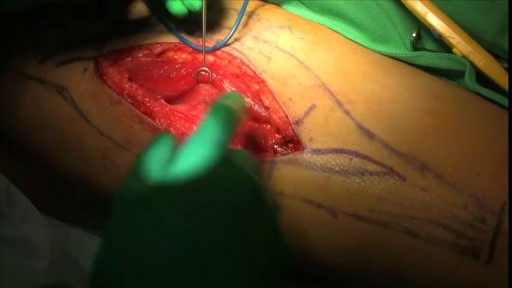
Infected Hernia Mesh Repair Surgery Video

What is vascular access? What are the different types of accesses for hemodialysis? Does vascular access require surgery? Adina Voiculescu, M.D., FASDIN, General and Interventional Nephrologist at Brigham and Women's Hospital and Assistant Professor at Harvard Medical School, discusses the different types of vascular access, such as AV fistulas and AV grafts, and how to stay healthy while on hemodialysis.
Subscribe Link: https://www.youtube.com/channe....l/UCYrLjATd88gPwIKnt
0:00 - Intro
0:29 - Peritoneal dialysis & Hemodialysis
0:44 - Types of access to perform dialysis
1:48 - Recommendations
About Mass General Brigham:
Mass General Brigham combines the strength of two world-class academic medical centers, five nationally ranked specialty hospitals, 11 community hospitals, and dozens of health centers. Our doctors and researchers accelerate medical breakthroughs and drive innovations in patient care. They are leaders in medical education, serving as Harvard Medical School faculty and training the next generation of physicians. Mass General Brigham’s mission is to deliver the best, affordable health care to patients everywhere. Together, we transform the health of our communities and beyond.
#MassGeneralBrigham #MGB #Hemodialysis
Visit Mass General Brigham: https://www.massgeneralbrigham.org/
Find us on social:
Twitter: https://twitter.com/MassGenBrigham
Instagram: https://www.instagram.com/massgeneralbrigham/
Facebook: https://www.facebook.com/MassGeneralBrigham/
LinkedIn: https://www.linkedin.com/compa....ny/mass-general-brig
Mass General Brigham:
https://www.youtube.com/massgeneralbrigham
Hemodialysis: Types of Accesses for Kidney Dialysis and How to Stay Healthy | Mass General Brigham
https://youtu.be/_bxLpudpqnc


Presented without captions
Starting dialysis often means creating a new normal for yourself and your family. There’s a lot to think about, from choosing a treatment option, to finding new ways to enjoy your favorite activities, to managing a new diet. The FIRST30 program is all about helping you through this period of adjustment.
Find out more at KidneyFund.org/FIRST30.
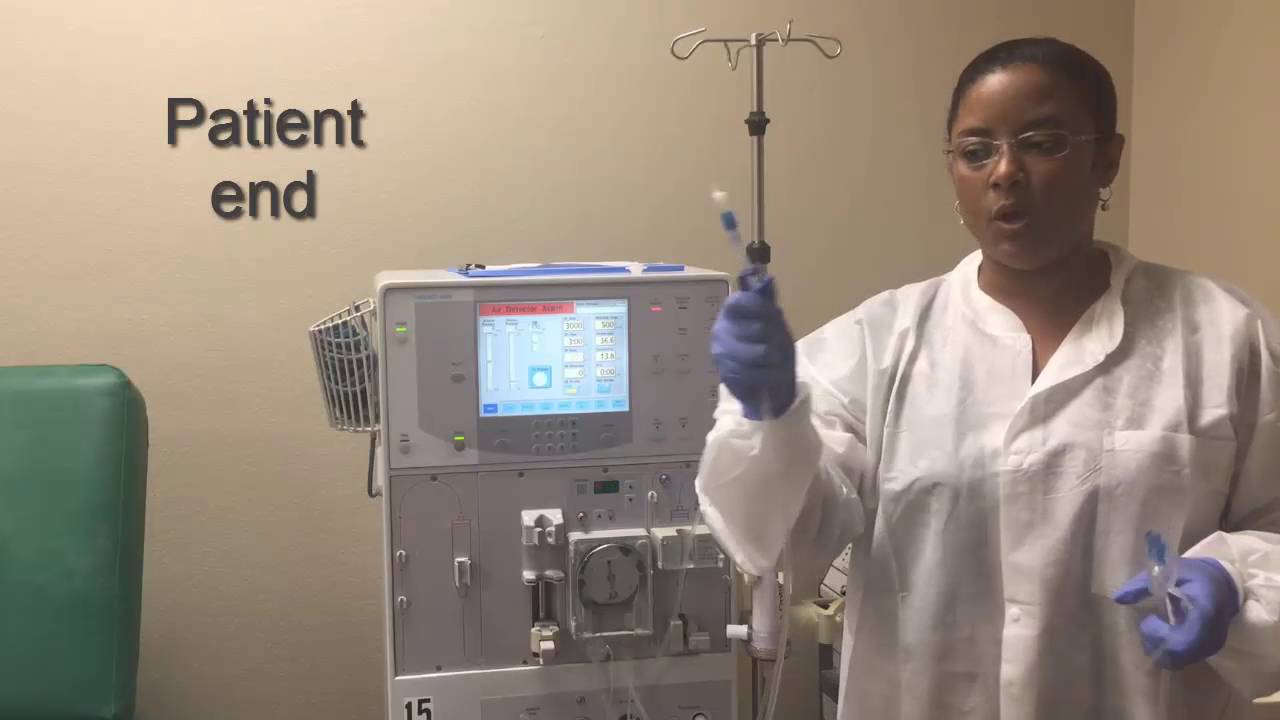
*How to setup a dialysis Machine*
This is part one of two parts of *How to setup a dialysis Machine* Setting up the Fresenius 2008K hemodialysis machine.
________________________________________________________________
Additional Resources:
Technical training | Fresenius Medical Care
https://fmcna.com/faq/technical-training/
The Technical Training team Fresenius Renal Technologies, a division of ... closed room environment, as well as hands-on instruction using current machines. ... 2008® Series Troubleshooting Hemodialysis Systems – Workshop, Level II, 2.4 ...
[PDF]2008K Level I Training Manual - Fresenius Medical Care
https://fmcna.com/wp-content/u....ploads/documents/490
I 2008K TRAINING COURSE AGENDA. II HEMODIALYSIS REVIEW. III HYDRAULIC DESCRIPTION. IV MACHINE OPERATION. V INSTALLATION CHECKLIST ...
Training & education - Fresenius Medical Care
https://www.freseniusmedicalca....re.com/en/healthcare
Fresenius Medical Care — training and education for health care professionals. For patient support, home treatment, regulatory requirements, supporting guides ...
At-Home Hemodialysis Training | Fresenius Kidney Care
https://www.freseniuskidneycare.com › Treatments › At-Home Hemodialysis
Depending on the type of dialysis machine you will use, the training program lasts for about 4 to 8 weeks. You will continue to get your dialysis treatments while ...
Training with Fresenius 2008K - HD For Patients - Home Dialysis ...
forums.homedialysis.org › ... › HD For Patients
Nov 16, 2006 - 6 posts - 5 authors
Stacy and I have been in training with the Fresenius Baby K for the past 4 weeks. ... my doctor about doing home hemodialysis, so a much deserv… ... on giving you a quiet RO and makes the machine as quiet as possible.
The Dialysis Machine — Dialysis Technician's Training
https://dialysistechnicianstra....ining.com/the-dialys
The dialysis machine acts as an artificial replacement for the kidneys, ... Inc. Gambro; Fresenius Medical Care; Wilmed Global – reconditioned machines ...
Training – Renal Dynamics
https://www.renaldynamics.com › Services
Machines: • Fresenius Level I and II training • Introduction to dialysis and machines • Hands on demonstrations • Practical and written exams • Certification upon ...
2008K@home Fresenius Home Hemodialysis Machine
https://fmcna-hd.com/2008kathome.html
Back to 2008K2 Fresenius Dialysis Machine Go to 2008T Fresenius Dialysis ... Same clinical, technical training and same spare parts as 2008k machines

BD Pristine™ Long-Term Hemodialysis Catheter Procedural Animation

What is hemodialysis and how does it work? Who needs it? How do you prepare for it? In the United States, over 30 million Americans have kidney disease, and sometimes, kidney disease progresses to kidney failure or end-stage renal disease. When this happens, you cannot survive unless you have a kidney transplant or some form of dialysis. So today we're going to talk about hemodialysis.
Your kidneys are the two kidney bean-shaped organs that are located in your lower back, or in your flanks. And the kidneys are responsible for filtering out or cleaning your blood. They get rid of excess waste, excess toxins, and excess fluids. If your kidneys stop functioning, then you develop renal failure or end-stage renal disease.
What is Hemodialysis?
Hemodialysis, or blood dialysis, is the filtering of your blood outside of your body. So, if your kidneys stop working properly, the hemodialysis acts as a substitute kidney. Now it's important to note that hemodialysis does not actually correct your own kidney function. It does not fix or treat your kidneys.
#hemodialysis #drfrita
What is The Dialyzer?
The dialyzer is actually the filter. It's the main powerhouse of the hemodialysis system, and it is what actually acts as the substitute kidney. In the dialyzer, you have these hollow fibers that run through it, and these fibers are bathed in something called dialysates, or dialysis fluid.
How Often Are Patients Treated With Hemodialysis?
Most patients who are on hemodialysis are on it between three and six hours, about three days a week, especially if they go to a center.
How Does Hemodialysis Work?
So when you are on dialysis, how does your blood get from your body to the hemodialysis machine and then back to your body? Well, it does so through tubes, and those tubes are connected to your access, and we'll talk about access in just a moment. But as far as the tubing, the tubing is connected to your body.
Types Of Hemodialysis Access
Arteriovenous Fistula or AV Fistula
The AV fistula is the gold standard as far as hemodialysis access is concerned because it gives you the most efficient hemodialysis and it is the least likely to be infected.
Arteriovenous Graft or AV Graft
The AV graft is very similar to the AV fistula in that you still have a surgically connected artery and a vein, usually in the arm, but in the case where if you have veins that are rather thin or arteries that are thin and maybe too weak in order to really give you a properly functioning, substantial AV fistula, then the vascular surgeon may opt to add an artificial material in order to make that shunt a little stronger, or little more durable. And so, an AV graft is another option for dialysis access.
Catheter
If you're in a situation where you need temporary dialysis, or if you have acute kidney injury, then you may have a temporary Vascath placed, and it's usually placed in a vein of the neck, the internal jugular vein, or it can be placed in the groin, or in the femoral vein.
Who Needs Hemodialysis Treatment?
How do you know if you need hemodialysis, and when is it time to prepare? Well, if you follow up with your kidney doctor (nephrologist) regularly, he or she will be watching your labs. They'll be able to see those signs of your kidneys not functioning properly.
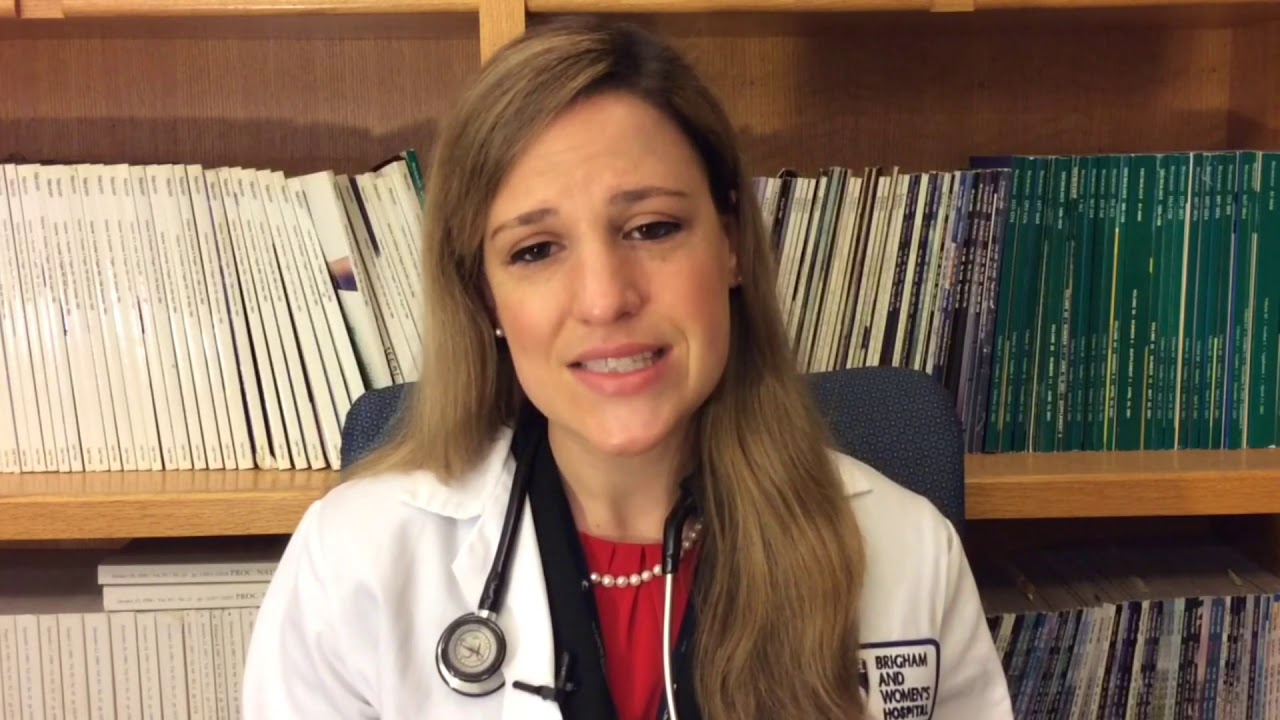
Dr. Katherine Scovner from the Division of Nephrology at Massachusetts General Hospital discusses kidney dialysis.

Watch this video to learn how and when to change a dressing for a child with a hemodialysis catheter. You should change your child's dressing if it becomes soiled with water or blood or if it comes off at home. Keeping a clean dressing on your child will limit risk of infection.

In the Dialysis Unit you have an opportunity to provide Dialysis care for a variety of patients, including those with End-Stage Chronic Kidney disease and acutely ill patients requiring dialysis and plasmapheresis.
The Chronic Dialysis Nurse focuses on patients receiving Hemodialysis, Peritoneal Dialysis, or Home Hemodialysis. Our patients range in age from newborns to young adults. The Hemodialysis patient receives their dialysis treatment in the clinic 3-5 times a week. The Peritoneal Dialysis and Home Hemodialysis treatments are provided in the patient’s home once the parent/caregiver is trained to operate the machine. They are followed monthly in clinic. The patient receiving Chronic Dialysis is supported by a multidisciplinary team that consists of a physician, nurses, social worker, nutritionist, pharmacist, child-life therapist, teacher, and counselor. The group works together to meet the medical and emotional needs of the patient and caregiver. Care is specialized to meet the needs of each individual patient.
The Acute Dialysis Nurse focuses on acute dialysis related therapies such as: Continuous Renal Replacement Therapy (CRRT); therapeutic plasmapheresis; or acute peritoneal dialysis. The acute dialysis team works with the multi-disciplinary inpatient nephrology team to provide acute dialysis services to the critically ill ICU patients. The work environment is highly technical and fast-paced.
The Dialysis Unit operates on 12hr shifts 7a – 7p; 7 days a week. Night call is required and shared by the nurses. We provide a detailed orientation plan to the nurse to become proficient in providing hemodialysis, peritoneal dialysis, continuous renal replacement therapy and plasmapheresis. Previous experience in dialysis or pediatrics is not required.

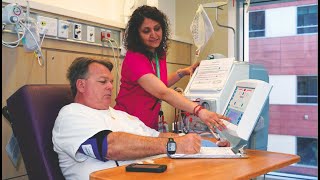
Eric's Home Dialysis

If you have an active lifestyle or are often on the go with work, travel or family, then peritoneal dialysis at home may be the right choice. Home peritoneal dialysis offers additional freedom and flexibility as a treatment option that’s closest to natural kidney function and may require fewer dietary restrictions and medications. To learn more about Home PD, visit https://www.FreseniusKidneyCar....e.com/ckd-treatment/
Subscribe to Our YouTube Channel
Subscribe Here: https://www.youtube.com/c/Fres....eniusKidneyCareOffic
Find Fresenius Kidney Care Online at:
Website: https://www.freseniuskidneycare.com/
Facebook:@FreseniusKidneyCare
https://www.facebook.com/FreseniusKidneyCare/
Twitter: @FreseniusKC
https://twitter.com/freseniuskc
Pinterest: Fresenius Kidney Care
https://www.pinterest.com/FreseniusKidneyCarePins/

Arthritis occurs when the cartilage breaks down explains Dr. Derek Papp, Sports Medicine Physician with Miami Orthopedics & Sports Medicine Institute. This it’s a very common knee injury such as the damage of the cartilage and meniscus tear.
ACL tears is another common injury especially in sports like soccer or Australian football, the specialist explains.

