
- Physical Examination
- Surgical Examination
- Ophthalmology
- Clinical Skills
- Orthopedics
- Surgery Videos
- Laparoscopy
- Pediatrics
- Funny Videos
- Cardiothoracic Surgery
- Nursing Videos
- Plastic Surgery
- Otorhinolaryngology
- Histology and Histopathology
- Neurosurgery
- Dermatology
- Pediatric Surgery
- Urology
- Dentistry
- Oncology and Cancers
- Anatomy Videos
- Health and Fitness
- Radiology
- Anaesthesia
- Physical Therapy
- Pharmacology
- Interventional Radiology
- Cardiology
- Endocrinology
- Gynecology
- Emergency Medicine
- Psychiatry and Psychology
- Childbirth Videos
- General Medical Videos
- Nephrology
- Physiology
- Diet and Food Health
- Diabetes Mellitus
- Neurology
- Women Health
- Osteoporosis
- Gastroenterology
- Pulmonology
- Hematology
- Rheumatology
- Toxicology
- Nuclear Medicine
- Infectious Diseases
- Vascular Disease
- Reproductive Health
- Burns and Wound Healing
- Kidney Zone Podcast
- Other
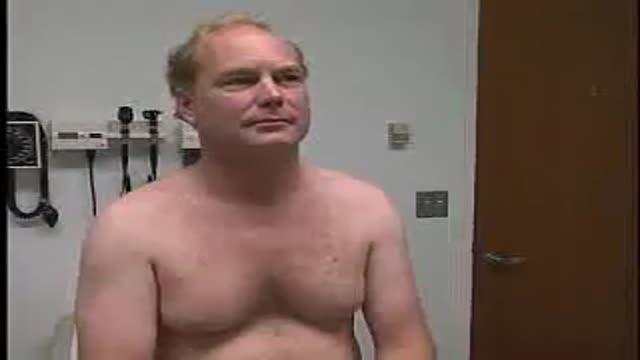
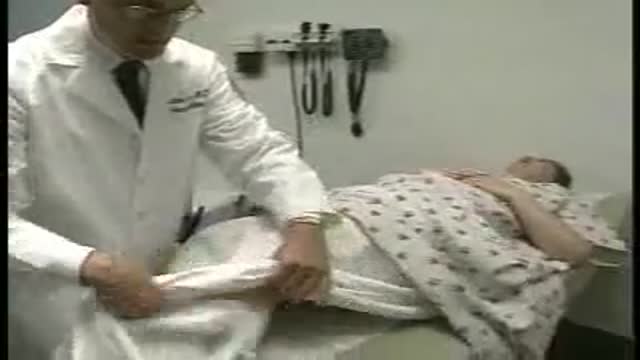
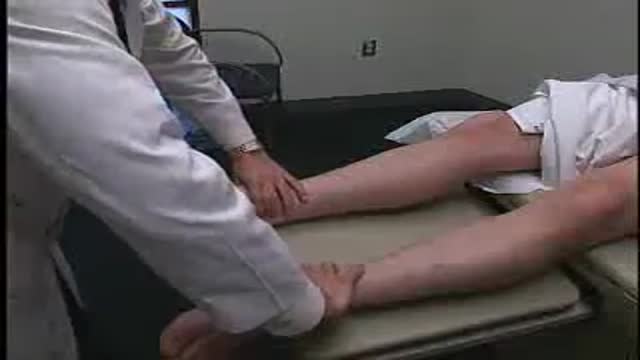
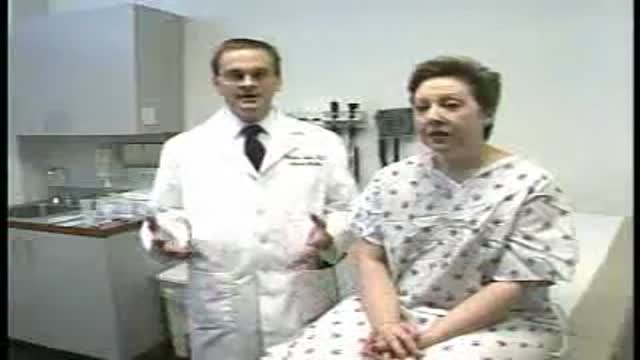


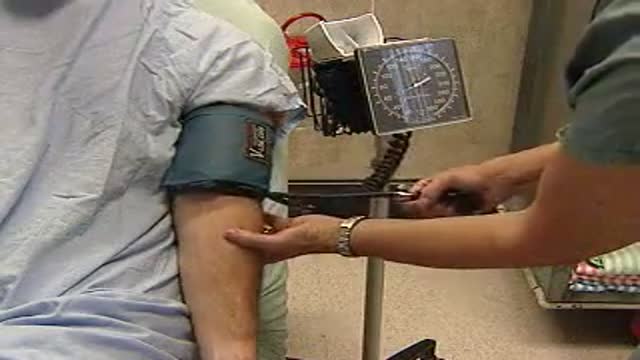
Loyola Full Male Exam Part 1

Educational only: videos on MedicalVideos.com are for general information and are not medical advice. Always consult your own doctor about your health.
Loyola Full Male Exam Part 1 A video from Loyola medical school, Chicago showing the full examination of the male
This video in 30 seconds
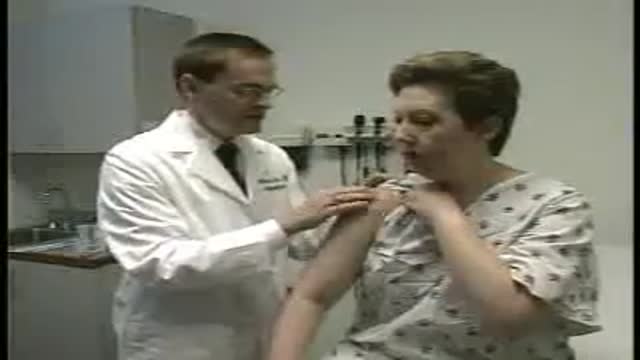
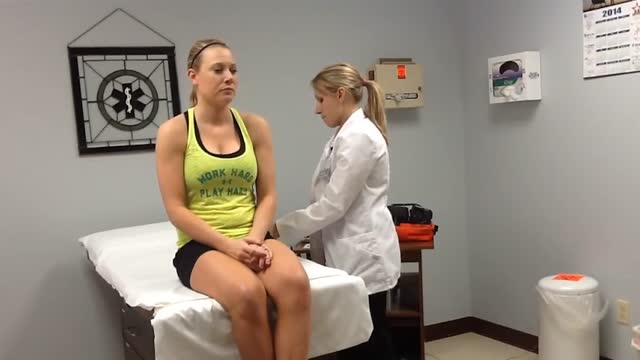
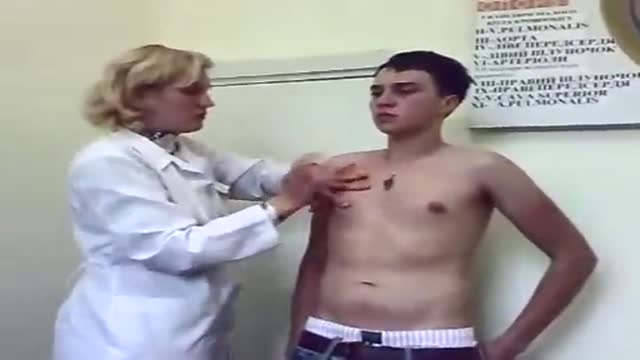
In this Loyola training video, an examiner performs a complete physical examination on a male standardized patient, focusing on how the steps flow together rather than on close-up detail. This first part covers hand-washing, general appearance, and upper-body examination including the hands, joints, range of motion and strength testing. The examiner states at the outset that no genital examination is included in this video.
Key points
- The examiner explains the purpose and flow of the full examination
- Hand-washing is shown before the examination begins
- General appearance is assessed while taking the history
- The hands, wrists and joints are checked for pain and range of motion
- Upper-extremity strength is tested at the end of this part
Chapters
- 0:13 — Purpose of the training examination
- 1:25 — Hand-washing and general appearance
- 2:22 — Examining hands and joints
- 3:01 — Range of motion testing
- 3:46 — Testing upper-extremity strength
Video Transcript
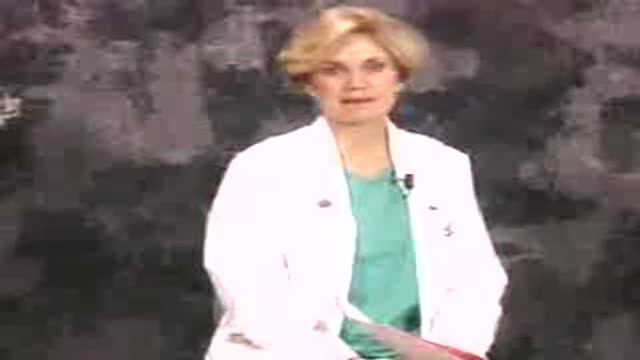
A Loyola training video in which Dr. Michael Kohler performs a complete physical examination on a male standardized patient, John. This first part concentrates on how the steps flow together — hand-washing, general appearance, and the upper-body systems including the hands, joints and strength testing — rather than on close-up detail; the examiner explains at the outset that the genital examination is deliberately not part of this video.
Read the full transcript
I'm Dr. Michael Kohler and the purpose of this training video is to show students all of the steps of the physical examination from start to finish so that you get some idea of how the steps flow one to the other and how to make a transition from one body system to another. We're not going to focus on the details of the steps during this examination or any close-ups. If you feel like you need some reference to the details, I'd refer you back to the individual exam series for those details.
This examination is of course on the male patient so there will be no axillary lymph nodes or no breast examination and also we will not do a genital examination on this video. I'd like to thank John, one of our standardized patients, for agreeing to be part of this training video. The steps of course can be in a different order. It's not critical that every one of the steps follow the order that you see in your outlines from class. What is important is that all the steps are done.
You do want to make sure that if you rearrange the steps that you try to minimize patient movement up and down and pay attention to patient comfort if you arrange the steps so that there is a flow for the patient and there's no unnecessary movement. Of course before we begin any examination we always wash our hands so first I'm going to wash my hands. The first step of the examination would be to describe the patient's general appearance. Of course you're not going to describe that to the patient but throughout the
history you're going to be noting whether the patient looks that they're paying a parent age, whether they're in any parent pain or distress, and also whether their respiratory pattern is labored or is there any sign of distress. John certainly appears to stay at age, he doesn't appear to be any discomfort, his hygiene is good and there's no obvious signs of pain. So I'll just go ahead and move on. So the first thing I'm going to do is ask you to hold out your hands for me, John.
I'm going to take a look at your hands and your fingers here. Is there any pain or discomfort? No. How about that? How about these joints or knuckles or any pain? No. Then put your palms up. Okay, good. And put your wrists back down again. Any pain when I press on your wrist bones here? No. No? Good. Then I'm just going to feel along your forearms there. Okay. I'm going to feel different parts of your elbow. Is there any pain or discomfort? No. As I press on those bony prominences?
No. I'm just going to press a little bit higher. There's some time or some lymph nodes higher up in the arm but again I don't feel that. So you can rest your arms down. The next thing I want to do is to check some range of motion and muscle tone. So I'm going to ask you to kind of let your arm go loose and kind of floppy here. And move it back and forth. Good. Kind of bend your elbow back and forth. Then your wrist up and down.
In and out. Good. Then come around the other side and do that over here too. Again, just kind of back and forth. Just relax your arm. Good. Your wrist back and forth. Good. Okay. Now I want to have you test for you doing the range of motion. Can you hold your wrist up, cock him up and then down. Good. Then put your wrist in. Then out. Good. Spread your fingers out. And back in. Make a fist. And make muscles and go straight out. Good. Now I want to test the strength in your upper extremities.
So can you put your arms up like that? Hold them real strong. Don't let me push down. Good. And make muscles like that. Pull in toward you. Real strong. Push out against me. Good. Next I'm going to have you hold your wrists up. I'm sorry. Good. Now don't let me push them down. Real strong. Good. Now push down to my hands. Push down. Good. Make sure to grab my fingers. Squeeze real hard.
Transcript auto-generated from the video’s audio for accessibility and study. Educational content only — not medical advice.
Video Overview
From our Physical Examination collection: Watch physical examination videos step by step — cardiovascular, respiratory, abdominal and neurological exams demonstrated for medical students and clinicians. Browse all Physical Examination videos →
Medical Videos
Free medical and surgery videos for patients, students and professionals — trusted since 2007.
Founded by Dr. Mohamed Ibrahim, MD, PhD — physician-scientist.
Follow us on Facebook · Instagram
SORT BY-
Top Comments
-
Latest comments