
- Physical Examination
- Surgical Examination
- Ophthalmology
- Clinical Skills
- Orthopedics
- Surgery Videos
- Laparoscopy
- Pediatrics
- Funny Videos
- Cardiothoracic Surgery
- Nursing Videos
- Plastic Surgery
- Otorhinolaryngology
- Histology and Histopathology
- Neurosurgery
- Dermatology
- Pediatric Surgery
- Urology
- Dentistry
- Oncology and Cancers
- Anatomy Videos
- Health and Fitness
- Radiology
- Anaesthesia
- Physical Therapy
- Pharmacology
- Interventional Radiology
- Cardiology
- Endocrinology
- Gynecology
- Emergency Medicine
- Psychiatry and Psychology
- Childbirth Videos
- General Medical Videos
- Nephrology
- Physiology
- Diet and Food Health
- Diabetes Mellitus
- Neurology
- Women Health
- Osteoporosis
- Gastroenterology
- Pulmonology
- Hematology
- Rheumatology
- Toxicology
- Nuclear Medicine
- Infectious Diseases
- Vascular Disease
- Reproductive Health
- Burns and Wound Healing
- Kidney Zone Podcast
- Other





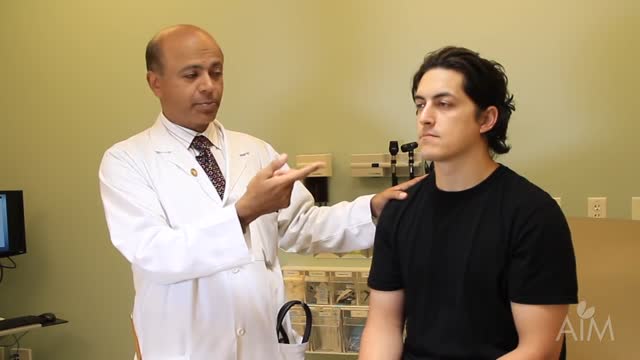




motor assesment- upper limb

Educational only: videos on MedicalVideos.com are for general information and are not medical advice. Always consult your own doctor about your health.
The Motor Assessment Scale (MAS) is a performance-based scale that was developed as a means of assessing everyday motor function in patients with stroke (Carr, Shepherd, Nordholm, & Lynne, 1985). The MAS is based on a task-oriented approach to evaluation that assesses performance of functional tasks rather than isolated patterns of movement
This video in 30 seconds
This video covers motor assessment of the upper limb using the Motor Assessment Scale. The scale is described as a performance-based way of assessing everyday motor function in patients with stroke, based on performing functional tasks rather than isolated patterns of movement.
Key points
- Upper limb motor assessment is covered
- The Motor Assessment Scale is introduced as a performance-based scale
- Assessment of everyday motor function in patients with stroke is explained
- The task-oriented approach, assessing functional tasks rather than isolated movement patterns, is described
Video Transcript
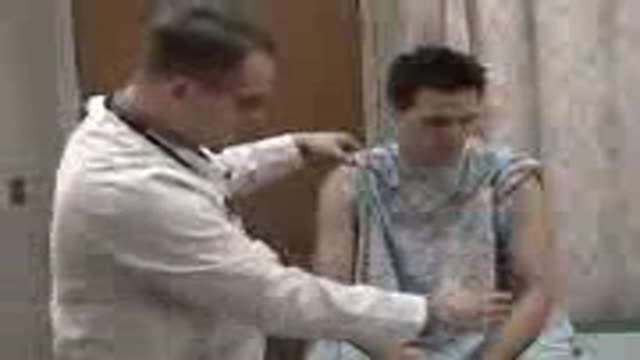
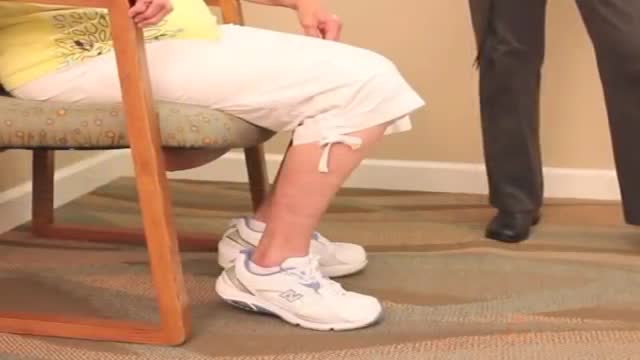
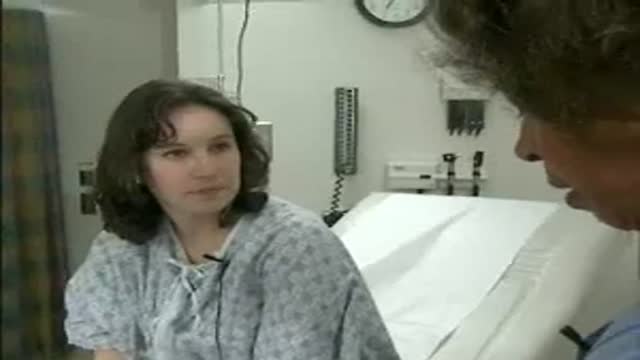
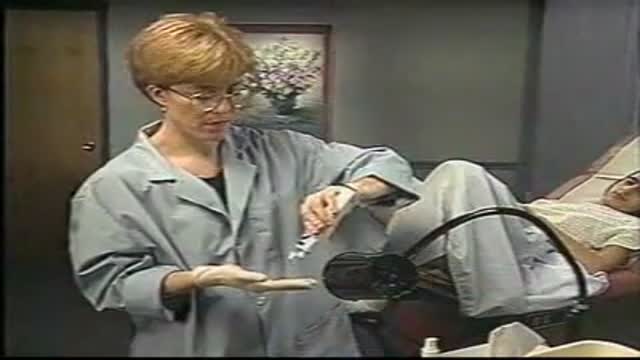
This examination demonstration shows assessment of the motor system in the upper limb. The examiner observes the patient at rest and in movement, inspects muscle bulk for wasting, tests tone by passively moving the relaxed arm and leg, and then grades strength through elbow flexion and extension, wrist extension, grip, finger abduction and thumb opposition, noting that the dominant side is normally stronger.
Read the full transcript
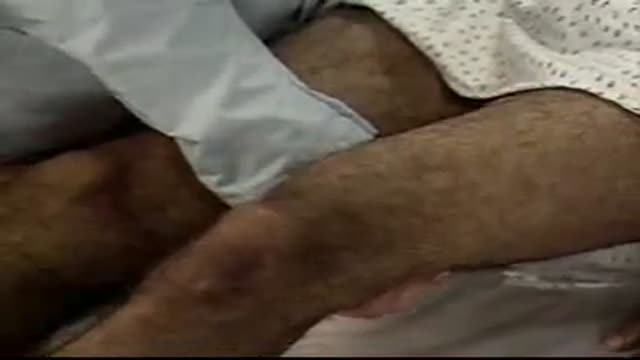
Begin the examination of the motor system by observing the patient's body position at rest and during movement. I'm going to move these up for a minute. Also watch for involuntary movements. Can I see your hands? Next, assess muscle characteristics beginning with muscle bulk. To do this, carefully inspect the muscles of the shoulders, arms, hands, thighs and legs, noting any atrophy. Let me do all the work here. Then evaluate the patient's muscle tone or resistance to passive stretch. Encourage the patient to relax. Then take one hand in yours and while supporting the elbow, flex and extend the patient's fingers, wrist, elbow and shoulder in one coordinated movement.
The patient's arm should move easily and smoothly with little resistance. Repeat on the other side. Once again, let me do all the work. To assess muscle tone in the legs, extend the patient's leg at the knee and move the foot up and down at the ankle. Note the patient's resistance to your movements. Assess muscle strength using force compatible with the patient's strength. Usually, the patient's dominant side is stronger than the non-dominant side. Begin by testing flexion and extension at the elbow by having the patient pull and push against your hand.
Straighten it out, bend your fist back. Next, test extension of the wrist. Make a fist, bend your fist back. Now test the patient's grip. Cross your middle and index fingers to protect them. Then ask the patient to squeeze as hard as possible while you try to remove your fingers. Normally, you should have trouble removing them. Continue testing muscle strength by asking the patient to turn his palm down and spread his fingers. Check abduction by trying to force them together. Relax for a second. Then test opposition of the thumb.
To do this, ask the patient to try to touch the tip of his little finger with the thumb while you resist the movement.
Transcript auto-generated from the video’s audio for accessibility and study. Educational content only — not medical advice.
Video Overview
From our Physical Examination collection: Watch physical examination videos step by step — cardiovascular, respiratory, abdominal and neurological exams demonstrated for medical students and clinicians. Browse all Physical Examination videos →
Medical Videos
Free medical and surgery videos for patients, students and professionals — trusted since 2007.
Founded by Dr. Mohamed Ibrahim, MD, PhD — physician-scientist.
Follow us on Facebook · Instagram
SORT BY-
Top Comments
-
Latest comments