
- Physical Examination
- Surgical Examination
- Ophthalmology
- Clinical Skills
- Orthopedics
- Surgery Videos
- Laparoscopy
- Pediatrics
- Funny Videos
- Cardiothoracic Surgery
- Nursing Videos
- Plastic Surgery
- Otorhinolaryngology
- Histology and Histopathology
- Neurosurgery
- Dermatology
- Pediatric Surgery
- Urology
- Dentistry
- Oncology and Cancers
- Anatomy Videos
- Health and Fitness
- Radiology
- Anaesthesia
- Physical Therapy
- Pharmacology
- Interventional Radiology
- Cardiology
- Endocrinology
- Gynecology
- Emergency Medicine
- Psychiatry and Psychology
- Childbirth Videos
- General Medical Videos
- Nephrology
- Physiology
- Diet and Food Health
- Diabetes Mellitus
- Neurology
- Women Health
- Osteoporosis
- Gastroenterology
- Pulmonology
- Hematology
- Rheumatology
- Toxicology
- Nuclear Medicine
- Infectious Diseases
- Vascular Disease
- Reproductive Health
- Burns and Wound Healing
- Kidney Zone Podcast
- Other
IgA Nephropathy
IgA nephropathy — also called Berger’s disease — is a kidney condition in which the antibody immunoglobulin A (IgA) builds up in the kidney’s tiny filters (the glomeruli) and inflames them. It is the most common primary glomerular disease worldwide. Many people first learn they have it after blood or protein shows up in a urine test, or after an episode of visibly blood-stained urine during a cold. This page gathers our videos — including a podcast episode devoted to the condition — a plain-language guide, and the tests used to track it, in one place.
✓ Medically reviewed by Dr. Mohamed Ibrahim, MD, PhD — physician-scientist · Last reviewed: November 2026
In short: IgA nephropathy (Berger’s disease) is a kidney condition where the antibody IgA collects in the kidney’s filters and inflames them. It often causes blood or protein in the urine and is confirmed by a kidney biopsy. There is no cure, but blood-pressure control, kidney-protective medicines and regular monitoring of kidney function and urine protein can slow it down for many people.
Watch: IgA nephropathy and kidney videos



Understanding IgA nephropathy
Your kidneys clean your blood through millions of tiny filters called glomeruli. In IgA nephropathy, a normally helpful antibody — immunoglobulin A, or IgA — is made in a slightly abnormal form. It travels through the blood, collects in the glomeruli, and sets off inflammation there.
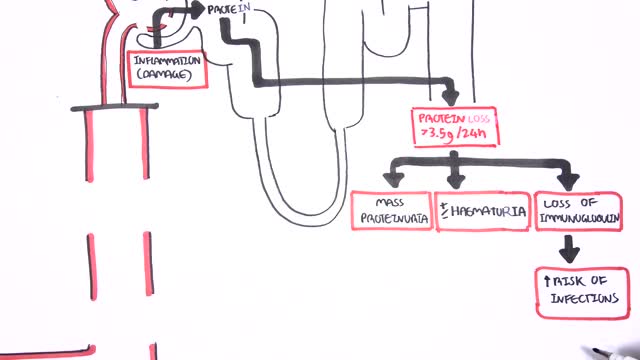
Over months and years, repeated inflammation can scar the filters. Scarred filters leak things they should keep — red blood cells and protein pass into the urine — and, in some people, the kidneys gradually lose their ability to clean the blood. IgA nephropathy is the most common primary glomerular disease in the world. It often appears in teenagers and young adults, and it is seen more often in people of Asian and European ancestry.
It is an immune-system condition, not an infection, and it is not contagious. Why a particular person develops it is not fully understood; genes and environment both seem to play a part.
Symptoms and signs
Many people with IgA nephropathy feel completely well, especially early on. The condition is often picked up only because a routine urine test shows blood or protein. When there are signs, they can include:
- Urine that looks red, pink or cola-coloured — often during, or a day or two after, a cold, sore throat or stomach bug
- Foamy urine, a sign of protein leaking into the urine
- Swelling of the hands, feet or around the eyes
- High blood pressure
- Tiredness or other symptoms of reduced kidney function, usually only in more advanced disease
An episode of visible blood in the urine usually settles within a few days, but it should always be reported to your doctor or kidney team — blood in the urine has several possible causes, and new episodes should not simply be assumed to be the IgA nephropathy.
How IgA nephropathy is diagnosed
The first steps are urine and blood tests: a urine dipstick and microscopy to confirm blood and protein, a urine albumin- or protein-to-creatinine ratio to measure how much protein is leaking, blood tests for kidney function (creatinine and the estimate derived from it, eGFR), and a blood-pressure check. Other causes of blood or protein in the urine — such as infection, kidney stones or other glomerular diseases — need to be considered and ruled out.
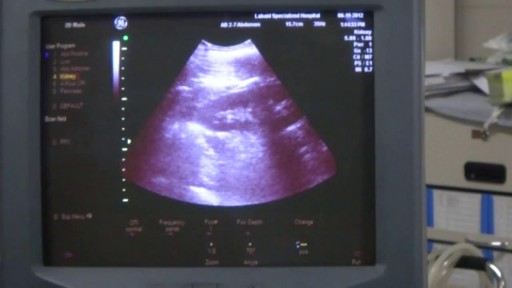
The definitive test is a kidney biopsy: a small sample of kidney tissue, taken through the back with a needle under local anaesthetic and ultrasound guidance, is examined under the microscope. It shows the IgA deposits directly, and how much of the kidney tissue is inflamed or scarred — information doctors use to judge risk (one widely used scoring system is called the Oxford classification). Our kidney biopsy preparation guide explains what to expect, and the linked article below walks through the procedure itself.
Monitoring: the numbers that matter
Because IgA nephropathy changes slowly, it is followed with a small set of numbers, checked regularly even when you feel well:
- Urine protein (albumin-to-creatinine or protein-to-creatinine ratio) — the strongest everyday guide to how active the disease is and how well treatment is working
- eGFR — the estimate of overall kidney function, followed as a trend over time rather than as a single reading
- Blood pressure — both a target of treatment and a driver of further damage when it runs high
The calculator linked below works out the urine ACR from a urine sample result; our eGFR calculator does the same for kidney function.
Treatment: protecting the kidneys
There is currently no cure that removes IgA from the kidneys, so treatment aims to protect the filters and slow scarring. For most people the foundation is careful “supportive” care:
- Blood-pressure control, usually including a kidney-protective blood-pressure medicine (an ACE inhibitor or an ARB), which also lowers the amount of protein leaking into the urine
- Cutting down on salt, keeping cholesterol in range, and not smoking
- SGLT2 inhibitors — a class of medicines first developed for diabetes — are now part of kidney-protective care for many people with proteinuric kidney disease; your specialist will say whether one is suitable for you
For people whose protein levels stay high and whose risk of progression is judged higher, a kidney specialist may also consider a course of steroids or other immune-suppressing treatment. These medicines carry real side effects, so the decision is individual and is made with the specialist, weighing the biopsy findings and the monitoring numbers above. Newer targeted treatments developed specifically for IgA nephropathy have begun to appear, and this is a fast-moving area — one more reason to stay connected to a kidney team. Whatever the plan, treating infections promptly and asking before taking regular anti-inflammatory painkillers (such as ibuprofen) are sensible precautions.
Living with IgA nephropathy
The outlook varies widely. Many people keep good kidney function for decades — particularly when urine protein is low and blood pressure is controlled — while a minority progress towards kidney failure over years. That range is exactly why the regular monitoring matters: change is usually silent, and early adjustments to treatment work best.
Day to day, living well with the condition mostly means keeping the routine: take the medicines as prescribed, watch the salt, stay active, keep every follow-up and blood and urine test, and tell your team about new symptoms — visible blood in the urine, increasing swelling, or a big drop in how much urine you pass. If you are planning a pregnancy, mention it to the kidney team early, as they may want to adjust medicines and monitoring. If kidney failure does eventually develop, dialysis and transplantation are the established treatments, and our guides to both are linked at the foot of this page.
When to get help promptly
Contact your kidney team promptly — or seek urgent care — if you notice:
- Passing much less urine than usual
- Rapidly increasing swelling, or new breathlessness
- Blood in the urine together with pain, clots, or difficulty passing urine
- Very high home blood-pressure readings, severe headache, or changes in your vision
Read: the plain-language guide
What Is a Kidney Biopsy? A kidney biopsy is the test that confirms IgA nephropathy. What the procedure involves, how to prepare for it, and what recovery looks like — in plain language. Read the article →Track protein in the urine
Urine ACR Calculator The albumin-to-creatinine ratio (ACR) measures albumin leaking into the urine — one of the key numbers followed in IgA nephropathy, alongside eGFR and blood pressure. Open the calculator →Frequently asked questions
Is IgA nephropathy the same as Berger’s disease?
Yes — they are two names for the same condition. It is named after Jean Berger, the physician who first described it. In both cases the finding is the same: deposits of the antibody immunoglobulin A (IgA) in the kidney’s filters, the glomeruli.
Does everyone with IgA nephropathy end up needing dialysis?
No. Many people — especially those with only small amounts of protein in the urine and well-controlled blood pressure — keep good kidney function for decades and never need dialysis. The risk is individual: it depends mainly on the amount of protein in the urine, blood pressure, kidney function (eGFR) and what the biopsy shows. For the minority whose kidneys do fail over time, dialysis and transplant are the established options, and planning ahead with the kidney team helps.
Why did my urine turn red during a cold?
That is a classic pattern in IgA nephropathy. When you fight a throat or chest infection, your immune system makes more IgA, and some of it settles in the kidneys and irritates the filters — so visible blood in the urine often appears within a day or two of the illness starting. (In the infection-related kidney inflammation called post-streptococcal glomerulonephritis, the blood typically appears one to three weeks after the infection instead.) An episode usually settles over a few days, but it should always be mentioned to your kidney team.
Is IgA nephropathy inherited or contagious?
It is not contagious — you cannot catch it or pass it on. It is not inherited in a simple pattern either, although it does appear more often in some families and some populations, so doctors sometimes suggest that close relatives have a simple urine check.
Can IgA nephropathy come back after a kidney transplant?
It can. Because the immune pattern that produces the abnormal IgA is still present, IgA deposits sometimes recur in a transplanted kidney over the years. Recurrence does not always cause problems, and transplant teams monitor urine and kidney function for it — a transplant remains a good option for people whose kidneys fail.
What can I do myself to protect my kidneys?
The everyday steps genuinely help: take blood-pressure medicines exactly as prescribed, cut down on salt, don’t smoke, keep a healthy weight, and keep every follow-up appointment and urine and blood test — IgA nephropathy can change quietly, without symptoms. Ask your team before using anti-inflammatory painkillers (such as ibuprofen) regularly, and treat infections promptly.
Related topics on MedicalVideos.com
Sources & further reading
Authoritative references for readers who want to go deeper:
This page is for general education only and is not medical advice. IgA nephropathy affects each person differently, and treatment decisions are individual — made with your kidney specialist. If you notice blood in your urine, rapidly increasing swelling, or you are passing much less urine than usual, contact your kidney team promptly or seek urgent care.