
- Physical Examination
- Surgical Examination
- Ophthalmology
- Clinical Skills
- Orthopedics
- Surgery Videos
- Laparoscopy
- Pediatrics
- Funny Videos
- Cardiothoracic Surgery
- Nursing Videos
- Plastic Surgery
- Otorhinolaryngology
- Histology and Histopathology
- Neurosurgery
- Dermatology
- Pediatric Surgery
- Urology
- Dentistry
- Oncology and Cancers
- Anatomy Videos
- Health and Fitness
- Radiology
- Anaesthesia
- Physical Therapy
- Pharmacology
- Interventional Radiology
- Cardiology
- Endocrinology
- Gynecology
- Emergency Medicine
- Psychiatry and Psychology
- Childbirth Videos
- General Medical Videos
- Nephrology
- Physiology
- Diet and Food Health
- Diabetes Mellitus
- Neurology
- Women Health
- Osteoporosis
- Gastroenterology
- Pulmonology
- Hematology
- Rheumatology
- Toxicology
- Nuclear Medicine
- Infectious Diseases
- Vascular Disease
- Reproductive Health
- Burns and Wound Healing
- Kidney Zone Podcast
- Other
Kidney Biopsy — How to Prepare and What to Expect
A kidney biopsy (renal biopsy) takes a tiny sample of kidney tissue with a needle so it can be examined under a microscope. It is how kidney specialists find the exact cause of kidney problems that blood and urine tests alone cannot pin down — and the answer often decides the treatment. This guide explains why the biopsy is done, how to prepare for it, what happens on the day, and what recovery and results look like, with videos of real kidney biopsies from our catalog.
✓ Medically reviewed by Dr. Mohamed Ibrahim, MD, PhD — physician-scientist · Last reviewed: October 2026
What it is and why it is done
Blood and urine tests show THAT the kidneys are in trouble — falling filtration, protein or blood leaking into the urine — but often not WHY. Many different diseases can produce the same laboratory picture: inflammation of the kidney’s filters (glomerulonephritis), immune conditions, diabetes damage, drug injury and more, and they are treated very differently. A biopsy answers the question directly: a pathologist looks at the tissue itself, sees which structures are damaged, and can often name the disease, how active it is, and how much permanent scarring is present.
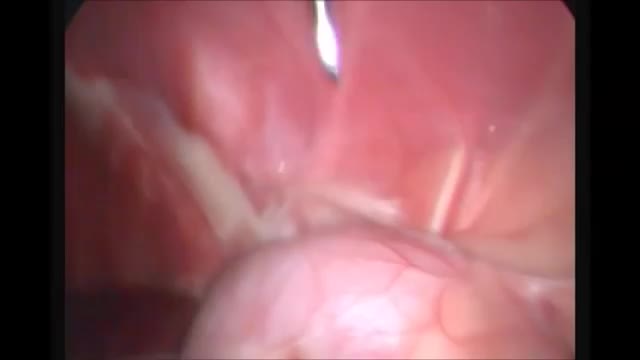
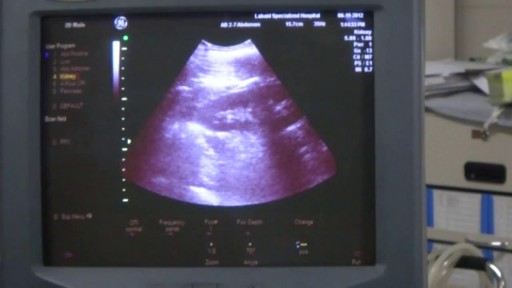
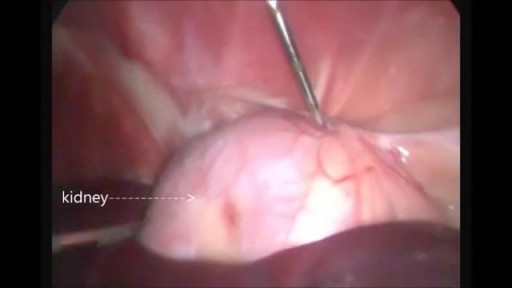
A kidney biopsy is usually considered when kidney function is falling without a clear cause, when there is significant protein or blood in the urine, or when the picture suggests an inflammatory kidney disease that might respond to immune-suppressing treatment. Most biopsies are done through the skin of the back with ultrasound guidance (percutaneous). In some situations a laparoscopic (keyhole) approach is used instead — one of the videos below shows it.
How to Prepare
Good preparation makes the biopsy safer — most of it is about bleeding risk, because the kidney is rich in blood vessels:
- Blood tests in the days before: your team will check your blood count, clotting (coagulation) and kidney function, and usually your blood group. Tell them about any bleeding or bruising problems you have had.
- Blood-thinning medicines: aspirin, clopidogrel, warfarin, apixaban and similar drugs, and anti-inflammatory painkillers such as ibuprofen, are usually paused for a few days before. Ask your team exactly which of YOUR medicines to stop and when — never stop a prescribed medicine without asking.
- Blood pressure matters: high blood pressure raises bleeding risk, so it is checked and treated before the biopsy. Take your blood-pressure medicines as instructed.
- Fasting: you will usually be asked not to eat or drink for several hours beforehand (often from midnight), especially if sedation is planned. Follow the instructions you are given.
- Tell the team about allergies (especially to local anaesthetic or antiseptics), any fever or infection, and — for women — if there is any chance you could be pregnant.
- Plan the day: you will rest in bed for several hours afterwards and stay under observation, often overnight. Arrange a lift home and a quiet next day or two.
If your clinic gave you different instructions, follow theirs — they know your situation.
Before, during and after
Before
You will change into a gown and have a small cannula placed in a vein. Your blood pressure and blood tests are rechecked. You lie face down on the table, usually with a pillow under your belly to bring the kidney into the best position. The doctor scans your back with ultrasound to find the kidney — usually the left one — and marks the spot. Everything is explained, and you can ask questions at any point.
During
The skin is cleaned and numbed with a local anaesthetic injection — a brief sting, then pressure rather than pain. Guided by the ultrasound picture, the doctor advances a thin biopsy needle through the back into the kidney and takes one or more tiny cores of tissue. You may be asked to hold your breath for a few seconds at the moment of sampling, and you may hear a click from the needle device. The samples are placed in pots for the laboratory. The whole procedure usually takes about 20 to 30 minutes. A laparoscopic biopsy, used in selected cases, is done under a general anaesthetic through small keyhole incisions instead.
After
You rest in bed, on your back, for several hours (often four to six, sometimes overnight) while nurses check your blood pressure and pulse and look at your urine — the main early concern is bleeding. A small amount of blood in the urine is common at first and usually clears. You can usually drink once you are settled and eat when the team says so. Mild back ache is common for a day or two. The tissue needs staining and expert examination, so results take several days — your kidney doctor will explain what was found and what it means for your treatment.
Watch: see it explained on video

Keep exploring
Dialysis — How to PrepareIf kidney disease progresses, dialysis takes over part of the kidneys’ filtering work. See what sessions involve and how to get ready for them.Open → Biopsy — The General GuideHow biopsies in general work — needles, imaging guidance, samples and results — in plain language.Open →Frequently asked questions
Does a kidney biopsy hurt?
The local anaesthetic numbs the skin and the track the needle follows, so most people feel pressure and a brief push rather than pain. The strangest moment is holding your breath as the sample is taken. Some units offer light sedation. Tell the team if you are uncomfortable — more anaesthetic can be given.
What are the risks of a kidney biopsy?
Bleeding is the main risk, because the kidney has a rich blood supply. Blood in the urine is common at first and usually settles; a collection of blood (haematoma) around the kidney can occur. Rarely, a transfusion or a further procedure is needed to stop bleeding, and infection is uncommon. Serious complications are uncommon when blood pressure and clotting are checked first — your team will go through your own risk with you.
How long do the results take?
Typically several days, sometimes a week or more. The tissue must be prepared, stained and examined in detail — often with special stains and electron microscopy — because the details decide the treatment. A preliminary impression sometimes comes sooner, and your kidney team will explain the full report at follow-up.
When can I go back to work and exercise?
Most people feel back to light activity after a day or two. Heavy lifting, straining and contact sports are usually avoided for about one to two weeks, to protect the biopsy site while it heals. Follow the discharge sheet you are given — it is tailored to you.
Why can’t blood tests alone give the answer?
Because many kidney diseases share the same blood and urine pattern while needing different — sometimes opposite — treatment. The biopsy shows the actual tissue diagnosis and separates active inflammation, which treatment may reverse, from permanent scarring, which it cannot. That distinction often decides whether immune-suppressing medicines are worth their side effects.
What if I take a blood thinner I cannot stop?
Tell the team as early as you can. Timing is planned around the medicine, and occasionally another route is chosen — for example a transjugular biopsy (through a neck vein) or the laparoscopic approach. Do not stop the medicine on your own: the clotting risk it treats matters too.
This guide is general information, not medical advice. Follow your own clinician's instructions if they differ — they know your health history and the exact test you are having.