
- Physical Examination
- Surgical Examination
- Ophthalmology
- Clinical Skills
- Orthopedics
- Surgery Videos
- Laparoscopy
- Pediatrics
- Funny Videos
- Cardiothoracic Surgery
- Nursing Videos
- Plastic Surgery
- Otorhinolaryngology
- Histology and Histopathology
- Neurosurgery
- Dermatology
- Pediatric Surgery
- Urology
- Dentistry
- Oncology and Cancers
- Anatomy Videos
- Health and Fitness
- Radiology
- Anaesthesia
- Physical Therapy
- Pharmacology
- Interventional Radiology
- Cardiology
- Endocrinology
- Gynecology
- Emergency Medicine
- Psychiatry and Psychology
- Childbirth Videos
- General Medical Videos
- Nephrology
- Physiology
- Diet and Food Health
- Diabetes Mellitus
- Neurology
- Women Health
- Osteoporosis
- Gastroenterology
- Pulmonology
- Hematology
- Rheumatology
- Toxicology
- Nuclear Medicine
- Infectious Diseases
- Vascular Disease
- Reproductive Health
- Burns and Wound Healing
- Kidney Zone Podcast
- Other
Angiogram & Angioplasty — How to Prepare and What to Expect
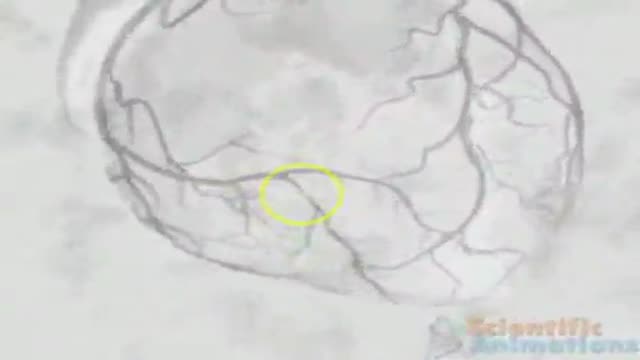
A coronary angiogram is an X-ray dye test that shows the arteries of the heart in fine detail. If a narrowing is found, it can often be treated in the same session by angioplasty — widening the artery with a balloon and usually leaving a small metal scaffold called a stent. This guide explains how to prepare, what the catheter procedure feels like, and how to look after the puncture site afterwards, with videos from our catalog.
✓ Medically reviewed by Dr. Mohamed Ibrahim, MD, PhD — physician-scientist · Last reviewed: October 2026
What it is and why it is done
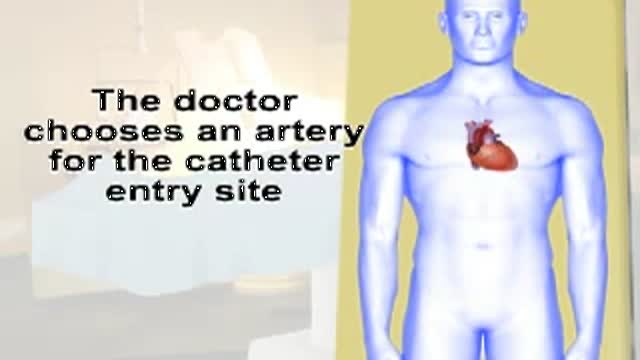
A thin tube (catheter) is passed to the heart through an artery in the wrist or the top of the leg, under local anaesthetic. Dye is injected through it while X-rays are taken, so every narrowing in the heart arteries shows up on the screen. The angiogram is the map: it tells the cardiologist whether your arteries are clear, narrowed in a way best treated with medicines, or narrowed in a place where opening the artery will help.
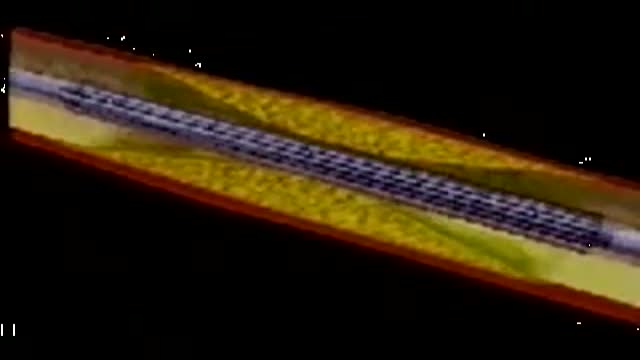
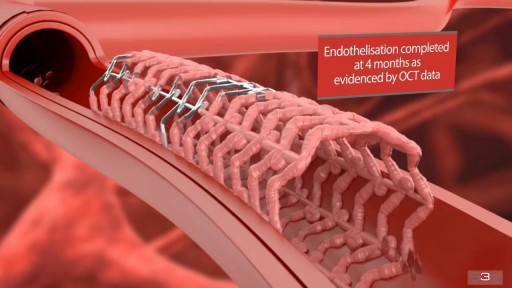
Angioplasty uses the same route: a tiny balloon is inflated across a narrowing to widen it, and a stent — a small mesh tube — is usually left behind to hold the artery open. Many people have diagnosis and treatment in one visit, and the team will discuss the findings with you, sometimes while you are still on the table.
How to Prepare
Preparation is about safety with dye, blood tests and the puncture site:
- You will usually be asked not to eat for several hours before the procedure; sips of water are normally fine. Follow your appointment letter.
- Tell the team about kidney problems, any previous reaction to contrast dye, and allergies — the kidneys clear the dye, and they may check kidney blood tests first.
- Bring a full list of your medicines. Ask in advance what to take on the day — especially diabetes medicines and anything that thins the blood. Do not stop prescribed medicines without being told.
- Arrange transport home and, if you go home the same day, an adult to stay with you for the first night.
- The team may clip a little hair at the wrist or groin where the catheter goes in — do not shave at home unless asked, as shaving can irritate the skin.
- Plan gentle days afterwards: no heavy lifting or straining with the puncture side for a few days, as the team advises.
If your clinic gave you different instructions, follow theirs — they know your situation.
Before, during and after
Before
You check in, have blood tests and an ECG if not recently done, and a cannula is placed. The cardiologist explains the procedure, its benefits and risks, and you sign consent. The skin at the wrist (most common nowadays) or groin is cleaned and numbed with local anaesthetic — the injection stings briefly, then the area goes numb.
During
You lie on the table in the catheter laboratory, awake — a sedative is available if you are anxious. The catheter is threaded to the heart; you cannot feel it moving inside. When dye is injected you may feel a warm flush for a few seconds. A diagnostic angiogram often takes about 30 minutes. If angioplasty follows, inflating the balloon can briefly reproduce chest tightness; this usually settles as soon as the balloon comes down, and the team will keep asking how you feel.
After
The puncture site is sealed or pressed — with a wrist band if the wrist was used, or firm pressure and lying flat for some hours if it was the groin — while the team watches for bleeding. Many people go home the same day or after one night. The site may bruise; a small, firm lump that shrinks over days is common. If a stent was fitted, the antiplatelet medicines prescribed afterwards are essential — they protect the stent while it heals into the artery wall, and must not be stopped without cardiology advice. Seek urgent help for bleeding or rapidly swelling at the site, a cold or pale hand or foot, or chest pain.
Watch: see it explained on video

Keep exploring
Heart Attack — Guides & VideosAngiograms and stents are central to modern heart-attack care. See our heart attack hub for the full picture.Open → eGFR Calculator — Kidney FunctionContrast dye is cleared by the kidneys, so teams often check kidney function first. See how eGFR is estimated from a blood test.Open →Frequently asked questions
What is the difference between an angiogram and an angioplasty?
An angiogram is the diagnostic test: dye and X-rays map the heart arteries and show any narrowings. Angioplasty is a treatment done through the same catheter, in which a balloon widens a narrowing and a stent is usually left to hold it open. Many people have the angiogram first and angioplasty straight after, in the same session.
Does a coronary angiogram hurt?
The local anaesthetic injection stings briefly; after that you should feel pressure rather than pain at the puncture site. You cannot feel the catheter inside the artery. Dye injections can cause a short warm flush, and balloon inflations during angioplasty can briefly bring on chest tightness that eases when the balloon is deflated. Tell the team about any pain — they can help.
How long will I be in hospital?
Many people go home the same day, a few hours after the procedure, once the puncture site is checked and they feel well. Others stay one night — for example if angioplasty was complex, the groin was used, or the team wants to observe them. You will need someone to take you home and stay with you the first night.
What is a stent, and how long does it stay in?
A stent is a tiny mesh tube expanded inside the artery to hold it open, and it stays there permanently — over time the artery lining grows over it. Because blood can clot on a new stent, antiplatelet medicines are prescribed afterwards for a period your cardiologist sets; taking them exactly as prescribed is essential.
When can I drive and go back to work?
It depends on why you had the procedure, whether a stent was fitted, and your job. The team will give you specific advice before you leave — often a few days of rest and no driving for at least a short period, longer after a heart attack. Do not guess: follow the written advice you are given, and ask at your follow-up if anything is unclear.
This guide is general information, not medical advice. Follow your own clinician's instructions if they differ — they know your health history and the exact test you are having.