
- Physical Examination
- Surgical Examination
- Ophthalmology
- Clinical Skills
- Orthopedics
- Surgery Videos
- Laparoscopy
- Pediatrics
- Funny Videos
- Cardiothoracic Surgery
- Nursing Videos
- Plastic Surgery
- Otorhinolaryngology
- Histology and Histopathology
- Neurosurgery
- Dermatology
- Pediatric Surgery
- Urology
- Dentistry
- Oncology and Cancers
- Anatomy Videos
- Health and Fitness
- Radiology
- Anaesthesia
- Physical Therapy
- Pharmacology
- Interventional Radiology
- Cardiology
- Endocrinology
- Gynecology
- Emergency Medicine
- Psychiatry and Psychology
- Childbirth Videos
- General Medical Videos
- Nephrology
- Physiology
- Diet and Food Health
- Diabetes Mellitus
- Neurology
- Women Health
- Osteoporosis
- Gastroenterology
- Pulmonology
- Hematology
- Rheumatology
- Toxicology
- Nuclear Medicine
- Infectious Diseases
- Vascular Disease
- Reproductive Health
- Burns and Wound Healing
- Kidney Zone Podcast
- Other
Colonoscopy — How to Prepare and What to Expect
A colonoscopy lets a doctor look directly inside your large bowel with a thin, flexible camera tube — checking for polyps and other causes of symptoms, and removing polyps on the spot. The part patients worry about most is not the test itself; it is the bowel preparation the day before. This guide walks honestly through the prep, step by step, then explains what happens during the test and how you are likely to feel afterwards, with videos of real colonoscopies from our catalog.
✓ Medically reviewed by Dr. Mohamed Ibrahim, MD, PhD — physician-scientist · Last reviewed: October 2026
What it is and why it is done
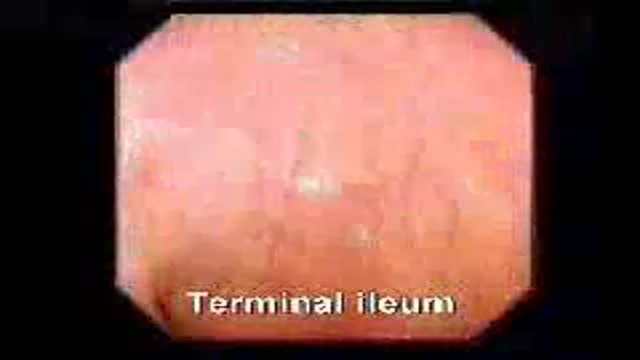
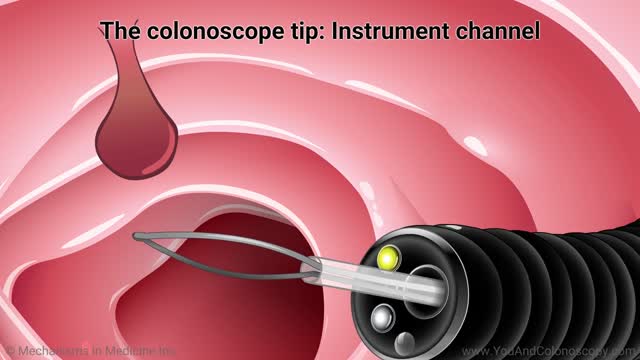
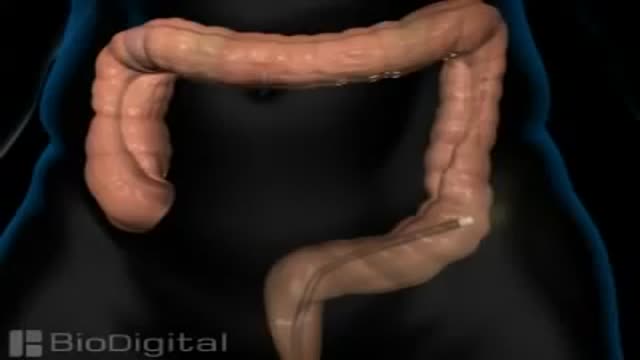
The bowel (colon) has folds and curves, and the only way to see its lining clearly is to look from inside. During a colonoscopy the doctor passes a flexible tube with a camera and light along the bowel, gently inflating it with air or water to see. Small tools can be passed through the tube to take tiny samples (biopsies) or remove polyps — growths that are usually harmless but can slowly turn into cancer over years, which is why removing them prevents cancer.
People have a colonoscopy to investigate symptoms such as bleeding, a lasting change in bowel habit or unexplained anaemia, or as screening. The bowel lining cannot feel cutting, so biopsies and polyp removal are not painful in themselves; most discomfort comes from the air used to open the bowel, and sedation is normally offered.
How to Prepare
Good preparation is what makes the test work — a clean bowel is far easier to examine, and poor prep is the commonest reason for a repeat test:
- A few days before, your clinic may ask you to switch to a low-fibre diet and avoid seeds, nuts and sweetcorn. Check their leaflet — instructions vary.
- The day before is normally clear fluids only: water, clear broth, tea or coffee without milk, clear juices and jelly. Avoid red or purple drinks and foods — the colour can be mistaken for blood.
- You will drink a bowel-preparation solution that deliberately causes frequent, watery diarrhoea — that is its job. It is often split: part the evening before, part early on the day of the test.
- Stay near a toilet for the prep hours. Soft wipes and a barrier cream help, because the skin around the back passage gets sore.
- Plan the prep day and the test day off work, and arrange a lift home: after sedation you must not drive.
- If you have diabetes, or take medicines that affect blood clotting, contact the clinic in advance and ask how to manage them around the prep — do not just stop them on your own.
If your clinic gave you different instructions, follow theirs — they know your situation.
Before, during and after
Before
At the unit you change into a gown, a small cannula is placed in your hand or arm for sedation, and your pulse, blood pressure and oxygen are monitored. The doctor or nurse explains the test, checks your prep has worked, and confirms your consent. If your bowel is not clear enough, they will tell you honestly — sometimes the test still goes ahead, sometimes it is rebooked.
During
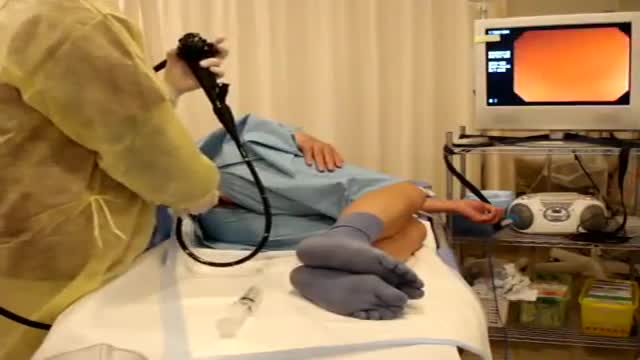
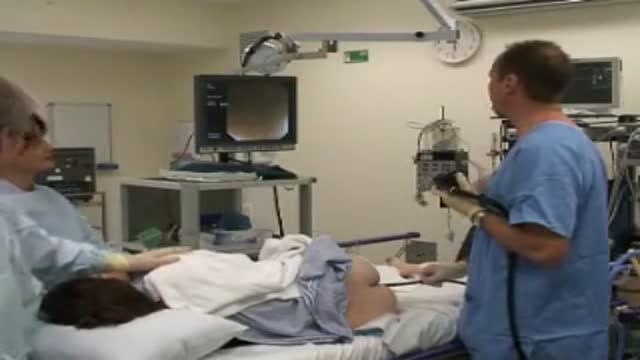
You lie on your left side with your knees drawn up. Sedation is given through the cannula — most people feel drowsy and relaxed rather than fully asleep, and many remember little afterwards. The tube is passed gently into the bowel and guided around it while the doctor studies the screen. The test usually takes about 20 to 45 minutes. You may feel bloating, wind and cramping as air opens the bowel; changing position sometimes helps, and the team can top up sedation or pain relief.
After
You rest in recovery until the sedation wears off, usually an hour or so. Trapped wind and bloating are very common and ease as you pass the air. If biopsies were taken or polyps removed, a small amount of blood in the first stool can be normal. You can usually eat normally again the same day. Your escort takes you home, and the unit will advise you not to drive, operate machinery or sign important documents for the rest of the day. Contact the unit urgently if you have heavy bleeding, severe or worsening tummy pain, or a fever.
Watch: see it explained on video
Keep exploring
Colonoscopy — Condition HubMore colonoscopy videos, guides and answers in one place, including screening and polyp information.Open →Frequently asked questions
Is the bowel prep really that bad?
It is the part most people dislike — hours of urgent, watery diarrhoea and a solution that does not taste pleasant. Chilling it, drinking through a straw, and pacing yourself steadily all help. And it matters: a clean bowel means a thorough test and no repeat.
Does a colonoscopy hurt?
With sedation, most people feel little more than pressure, bloating and occasional cramps from the air used to open the bowel. Removing polyps and taking biopsies is not painful, because the bowel lining cannot feel cutting. Tell the team if you are uncomfortable — they can adjust sedation and pain relief during the test.
How long does a colonoscopy take?
The test itself usually takes about 20 to 45 minutes, depending on the length and shape of your bowel and whether polyps are found. Allow two to three hours for the whole visit, including getting ready and recovering from sedation.
What if my prep has not worked properly?
If your stool is still brown or solid after finishing the prep, phone the unit for advice before you travel — they may suggest waiting, extra fluids, or rebooking. Do not be embarrassed; it happens often, and the team would much rather know than do a test they cannot see properly.
When do I get the results?
The doctor can usually tell you the main findings the same day, before you leave. Results of biopsies and removed polyps take longer — often one to two weeks — because the samples are examined in a laboratory, and you will be told how those results will reach you.
This guide is general information, not medical advice. Follow your own clinician's instructions if they differ — they know your health history and the exact test you are having.