
- Physical Examination
- Surgical Examination
- Ophthalmology
- Clinical Skills
- Orthopedics
- Surgery Videos
- Laparoscopy
- Pediatrics
- Funny Videos
- Cardiothoracic Surgery
- Nursing Videos
- Plastic Surgery
- Otorhinolaryngology
- Histology and Histopathology
- Neurosurgery
- Dermatology
- Pediatric Surgery
- Urology
- Dentistry
- Oncology and Cancers
- Anatomy Videos
- Health and Fitness
- Radiology
- Anaesthesia
- Physical Therapy
- Pharmacology
- Interventional Radiology
- Cardiology
- Endocrinology
- Gynecology
- Emergency Medicine
- Psychiatry and Psychology
- Childbirth Videos
- General Medical Videos
- Nephrology
- Physiology
- Diet and Food Health
- Diabetes Mellitus
- Neurology
- Women Health
- Osteoporosis
- Gastroenterology
- Pulmonology
- Hematology
- Rheumatology
- Toxicology
- Nuclear Medicine
- Infectious Diseases
- Vascular Disease
- Reproductive Health
- Burns and Wound Healing
- Kidney Zone Podcast
- Other
Pelvic Exam & Pap Smear — What to Expect and How to Prepare
A pelvic exam is a routine physical examination of the vulva, vagina, cervix, uterus and ovaries, and a Pap smear (Pap test) is often collected during it to screen for changes on the cervix. If you have never had one — or your last one was years ago — this guide explains what happens, in what order, how to prepare, and what the clinician is checking at each step. The videos below show real examinations, so nothing about the visit needs to be a surprise.
✓ Medically reviewed by Dr. Mohamed Ibrahim, MD, PhD — physician-scientist · Last reviewed: October 2026
What it is and why it is done
The pelvic exam lets a clinician check the health of the reproductive organs by looking and by gentle touch. It can pick up infections, growths such as fibroids or cysts, and other changes worth investigating. The Pap smear is the screening part: a small brush collects cells from the cervix, and a laboratory checks them for early changes that could, over years, develop into cervical cancer if left alone. Finding those changes early is the whole point — they can usually be monitored or treated long before they become dangerous.
How often you need a Pap smear depends on your age, previous results and your country's screening programme — ask your own clinician what applies to you. A pelvic exam may also be done at other times, to investigate pain, discharge or bleeding, even when no Pap test is due.
How to Prepare
A little preparation makes the exam quicker, more comfortable and more accurate:
- If you can, book for a day when you are not having a period. Light spotting is usually fine, but heavy bleeding can make a Pap sample hard to read.
- For the two days before, avoid vaginal creams, pessaries, douches and tampons unless they were prescribed — they can wash away or hide the very cells the Pap test needs.
- Empty your bladder just before the exam. A full bladder makes the touch (bimanual) part less comfortable.
- Jot down the date of your last period, your contraception, and any symptoms — pain, discharge, bleeding between periods — so you remember to mention them.
- You do not need to shave or do anything special about hygiene. An ordinary wash is quite enough; clinicians are not judging.
- If you feel anxious, say so. You can ask for a chaperone, a smaller speculum, and for each step to be explained before it happens.
If your clinic gave you different instructions, follow theirs — they know your situation.
Before, during and after
Before
You will be asked about your periods, contraception, symptoms and previous results. Then you undress from the waist down in private and lie back on the couch, usually with a sheet over you and your feet supported. Take a moment to get comfortable and breathe slowly — tensing your stomach and pelvic muscles makes everything harder, for you and the clinician.
During
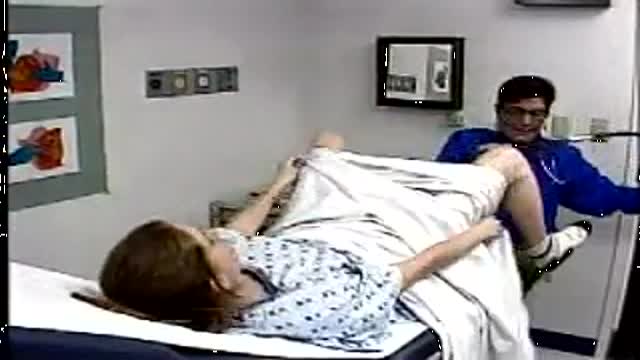
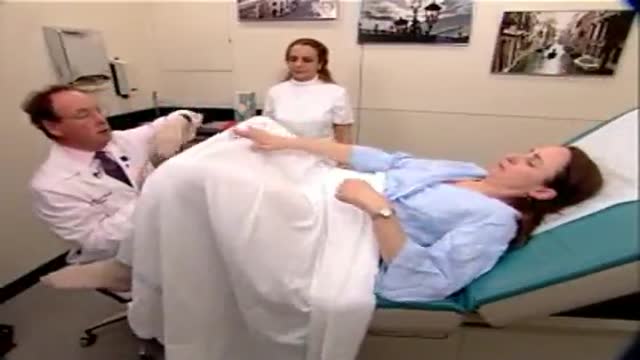
First the clinician simply looks at the outside. Then a smooth instrument called a speculum is gently inserted into the vagina and opened a little so the cervix can be seen — this feels like pressure or stretching and should not be sharp pain. For the Pap test, a small soft brush collects cells from the cervix; this takes seconds and may feel like a brief scrape. The speculum then comes out. Finally, the bimanual exam: the clinician places two gloved, lubricated fingers in the vagina and the other hand on your lower belly, feeling the size and position of the uterus and ovaries between the two hands. The whole examination usually takes only a few minutes.
After
You get dressed, and that is it. A little spotting afterwards is common and settles on its own. Pap results typically arrive within a few weeks by letter, message or patient portal. An abnormal result is common and usually means mild cell changes that need a closer look or a repeat test — it does not usually mean cancer — and the result letter will explain the next step plainly.
Watch: see it explained on video




Frequently asked questions
Does a pelvic exam hurt?
Most people feel pressure, stretching and brief discomfort rather than pain. It helps to breathe out slowly and let your muscles relax as the speculum is inserted. If anything hurts, say so straight away — the clinician can pause, adjust, or use a smaller speculum. Sharp pain is not something you are expected to put up with.
How long does the appointment take?
The examination itself usually takes only a few minutes. The whole appointment is longer — often 15 to 30 minutes — because it includes questions about your history, time to undress and dress, and a chance to discuss anything you are worried about.
What does an abnormal Pap result mean?
It means the laboratory found some changed cells on the cervix. These changes are common, are often caused by the HPV virus, and most go back to normal on their own. Depending on the type of change, the next step is usually a repeat test in a few months or a closer examination called colposcopy. An abnormal Pap result does not usually mean cancer.
Can I ask for a chaperone or a female clinician?
Yes. You can ask for a chaperone to be present whoever examines you, and many clinics will try to offer a female clinician if you prefer one — it is easiest to ask when you book. You can also ask the clinician to explain each step and to stop at any point.
How often do I need a Pap smear?
It depends on your age, previous results and the screening programme where you live; many programmes invite women every three to five years in mid-adult life. Check what your own programme or clinician recommends rather than relying on a single schedule read online.
This guide is general information, not medical advice. Follow your own clinician's instructions if they differ — they know your health history and the exact test you are having.