
- Physical Examination
- Surgical Examination
- Ophthalmology
- Clinical Skills
- Orthopedics
- Surgery Videos
- Laparoscopy
- Pediatrics
- Funny Videos
- Cardiothoracic Surgery
- Nursing Videos
- Plastic Surgery
- Otorhinolaryngology
- Histology and Histopathology
- Neurosurgery
- Dermatology
- Pediatric Surgery
- Urology
- Dentistry
- Oncology and Cancers
- Anatomy Videos
- Health and Fitness
- Radiology
- Anaesthesia
- Physical Therapy
- Pharmacology
- Interventional Radiology
- Cardiology
- Endocrinology
- Gynecology
- Emergency Medicine
- Psychiatry and Psychology
- Childbirth Videos
- General Medical Videos
- Nephrology
- Physiology
- Diet and Food Health
- Diabetes Mellitus
- Neurology
- Women Health
- Osteoporosis
- Gastroenterology
- Pulmonology
- Hematology
- Rheumatology
- Toxicology
- Nuclear Medicine
- Infectious Diseases
- Vascular Disease
- Reproductive Health
- Burns and Wound Healing
- Kidney Zone Podcast
- Other
Ultrasound Scan — How to Prepare and What to Expect
An ultrasound scan uses sound waves — far above the range of hearing — to build live pictures of soft tissues and organs. It involves no radiation, no injections in most cases, and the pictures appear on a screen as the probe moves. Preparation differs more between ultrasound scans than almost any other test: fasting for one, a full bladder for another. This guide explains why, and what happens during the common types, with videos from our catalog.
✓ Medically reviewed by Dr. Mohamed Ibrahim, MD, PhD — physician-scientist · Last reviewed: October 2026
What it is and why it is done
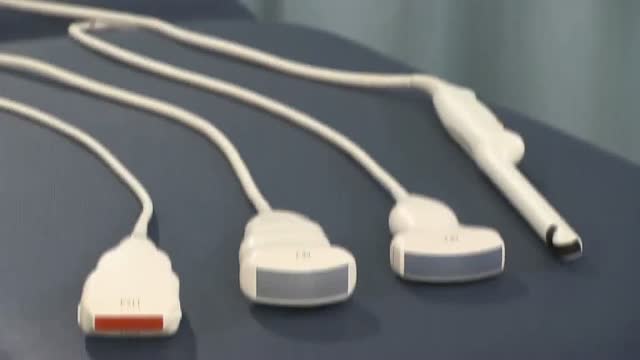
A hand-held probe sends sound waves into the body and listens for the echoes bouncing back from organs and tissues; a computer turns those echoes into moving images. Ultrasound is the first-choice scan in pregnancy, and is widely used for the abdomen and gallbladder, the pelvis, breast lumps, the thyroid, blood vessels and guiding needles safely to a target.
Two things get in the way of sound waves: gas and bone — which is why preparation matters. An empty stomach means less bowel gas and a gallbladder that has not squeezed itself small after a meal. A full bladder pushes bowel out of the way and acts as a window of fluid that sound travels through well — hence the fasting rule for one scan and the full-bladder rule for another.
How to Prepare
Your appointment letter tells you which of these apply — they differ by body part:
- For an abdominal or gallbladder scan, you will usually be asked to eat nothing for several hours beforehand, so the gallbladder stays full and visible. Water is normally still allowed.
- For a pelvic or early pregnancy scan, you may be asked to drink water about an hour before and arrive with a comfortably full bladder — and not to empty it until after the scan.
- For most other scans — breast, thyroid, limbs, blood vessels — there is no preparation at all: just turn up.
- Wear a two-piece outfit if you can, so the area can be reached without undressing completely. For pregnancy scans, easy access to your bump helps.
- Bring previous scan reports or images if the department asks — comparing old and new is often the point.
- If an internal (transvaginal) scan is planned, you will be told in advance; for those, the bladder should be empty, and you can ask for a chaperone.
If your clinic gave you different instructions, follow theirs — they know your situation.
Before, during and after
Before
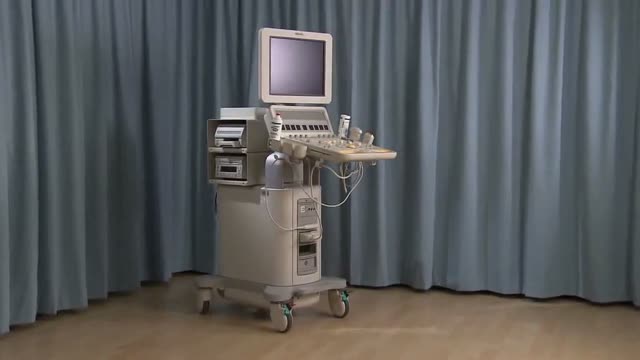
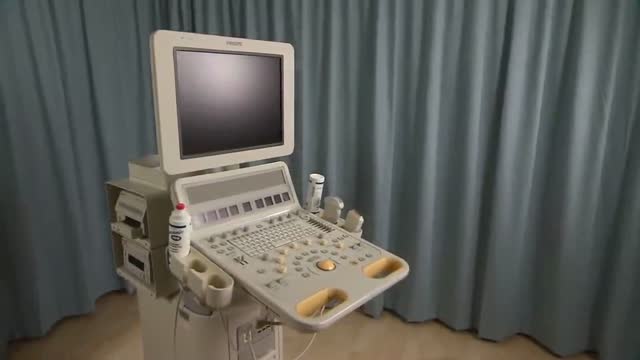
You check in and may be asked to change into a gown or simply expose the area being scanned. The sonographer explains what they will look at and asks about your symptoms and any previous scans. The room is usually dimmed so the screen is easy to see, and you lie on a couch next to the machine.
During
A clear gel is spread on the skin — it feels cool — and the probe is pressed and slid over the area. The gel makes sure no air gap blocks the sound. You may be asked to roll onto your side, hold your breath briefly, or empty your bladder partway through and be scanned again. For a transvaginal scan, a slim probe covered and lubricated is gently placed a short way into the vagina; it should not be painful, and you can ask to stop at any time. Most scans take about 15 to 45 minutes.
After
The gel wipes off and there are no after-effects at all — you can eat, drink and carry on as normal, and finally empty that bladder. The sonographer may tell you some findings on the spot, but the formal report goes to the doctor who referred you, who will explain the full picture and any next steps.
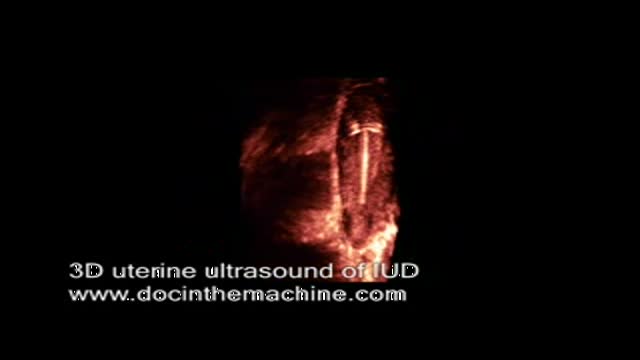
Watch: see it explained on video


Keep exploring
Pregnancy — Guides & VideosPregnancy scans are the heartbeat of antenatal care. See our pregnancy hub for guides and videos by stage.Open → Pregnancy Due Date CalculatorWork out your due date and how many weeks you are from the first day of your last period.Open →Frequently asked questions
Is ultrasound safe in pregnancy?
Ultrasound uses sound waves, not radiation, and has been used routinely in pregnancy care for decades with no known harmful effects when used appropriately. Scans are offered at set points in pregnancy to check the baby's growth, position and anatomy, and extra scans are done when there is a clinical reason.
Why do I need a full bladder for some scans?
A full bladder pushes gas-filled bowel up out of the pelvis and provides a window of fluid that sound waves travel through well, giving a much clearer view of the uterus and ovaries. It can feel uncomfortable by the end — staff know this, and will often scan you promptly, or let you empty partway and check again.
Why must I fast before an abdominal scan?
Eating makes the gallbladder contract and empty, which hides stones and wall problems, and digestion fills the bowel with gas that blocks sound waves. A few hours without food keeps the gallbladder full and the view clear. Your letter will say exactly how long to fast — water is normally fine.
What is a transvaginal scan, and can I decline it?
It is an internal scan using a slim probe placed a short way into the vagina, giving closer, clearer pictures of the uterus and ovaries than scanning through the tummy. You can always decline, or ask for a chaperone, or ask to pause — the sonographer will explain the trade-off, which is a less detailed view from outside only.
Will the sonographer tell me the results?
Often they will comment on what they can see, especially in pregnancy scans, but the complete, checked report goes to the doctor who referred you. Some things need measuring and comparing after the appointment, so a careful "we'll send the report" is normal and not a sign of bad news.
This guide is general information, not medical advice. Follow your own clinician's instructions if they differ — they know your health history and the exact test you are having.