
- Physical Examination
- Surgical Examination
- Ophthalmology
- Clinical Skills
- Orthopedics
- Surgery Videos
- Laparoscopy
- Pediatrics
- Funny Videos
- Cardiothoracic Surgery
- Nursing Videos
- Plastic Surgery
- Otorhinolaryngology
- Histology and Histopathology
- Neurosurgery
- Dermatology
- Pediatric Surgery
- Urology
- Dentistry
- Oncology and Cancers
- Anatomy Videos
- Health and Fitness
- Radiology
- Anaesthesia
- Physical Therapy
- Pharmacology
- Interventional Radiology
- Cardiology
- Endocrinology
- Gynecology
- Emergency Medicine
- Psychiatry and Psychology
- Childbirth Videos
- General Medical Videos
- Nephrology
- Physiology
- Diet and Food Health
- Diabetes Mellitus
- Neurology
- Women Health
- Osteoporosis
- Gastroenterology
- Pulmonology
- Hematology
- Rheumatology
- Toxicology
- Nuclear Medicine
- Infectious Diseases
- Vascular Disease
- Reproductive Health
- Burns and Wound Healing
- Kidney Zone Podcast
- Other
Cataract Surgery — How to Prepare and What to Expect
A cataract is a clouding of the eye's own lens, and cataract surgery replaces it with a clear artificial one. It is among the most commonly performed operations in the world, usually done as a day case with local anaesthetic while you are awake. This guide explains the preparation — including the measurements that decide your new lens — what the operation feels like, and how recovery usually unfolds, with videos of modern cataract surgery from our catalog.
✓ Medically reviewed by Dr. Mohamed Ibrahim, MD, PhD — physician-scientist · Last reviewed: October 2026
What it is and why it is done
When the natural lens turns cloudy, vision becomes misty, colours fade and glare from lights grows troublesome; glasses can no longer correct it, because the problem is in the lens itself. Surgery removes the cloudy lens and puts a folded artificial lens (an implant) in its place, through an incision so small it usually needs no stitches.
Before surgery, the eye is measured precisely — the length of the eye and the curve of its front surface — so the team can choose the power of your implant. This matters: the implant is permanent, and its power affects whether you will see best at distance, near, or a balance. You will discuss the target with your surgeon, and most people aim for clear distance vision and reading glasses for close work.
How to Prepare
Cataract surgery is short; the preparation around it is what makes the day smooth:
- Attend the pre-operative measurement visit: your eye measurements decide the implant power, and this appointment is not optional.
- Tell the team about all your medicines and allergies. Most regular medicines are continued — the clinic will tell you if anything changes.
- Arrange a lift home and, if you can, company on the first day. You will not be able to drive yourself home.
- On the day, follow the clinic's eating and drinking instructions — with local anaesthetic these are usually light. Wear comfortable clothes and no eye makeup.
- Expect dilating drops before surgery: they make the pupil large, and your vision will be blurry and light-sensitive for some hours — sunglasses help afterwards.
- Set up your recovery corner at home: your prescribed drops, tissues, and a reminder system for drop times over the following weeks.
If your clinic gave you different instructions, follow theirs — they know your situation.
Before, during and after
Before
You check in, confirm which eye is being treated, and have drops to numb and dilate the eye. The team marks the correct eye — a simple, deliberate safety step. You may be offered a mild sedative if you are anxious. In theatre you lie flat under a light drape, with fresh air flowing beneath it, and the surgeon explains what you will see and feel.
During
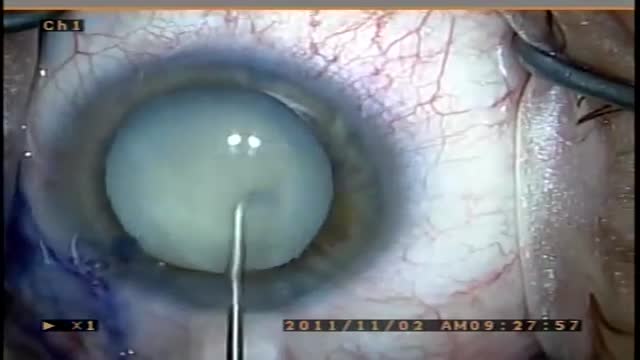
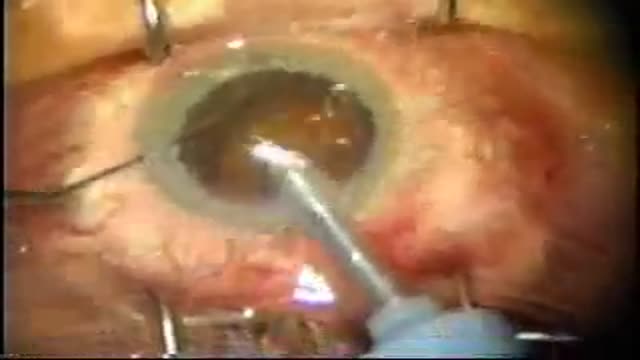
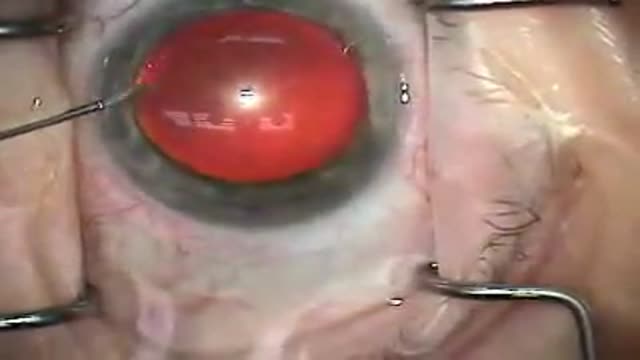
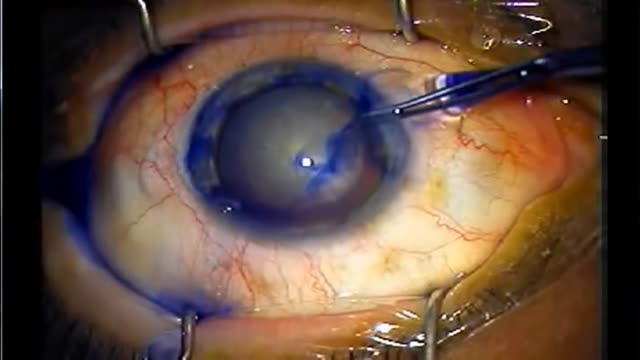
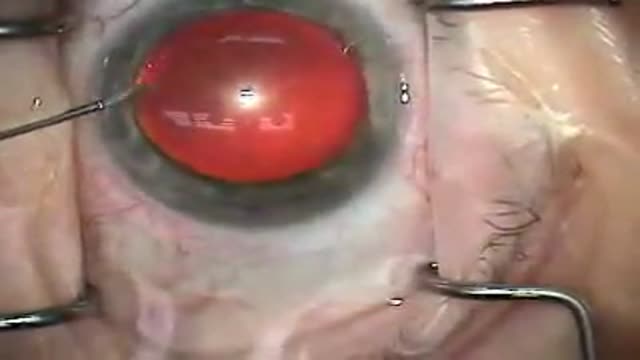
For most people the only sensations are bright lights, colours, gentle pressure and sometimes the feeling of water over the eye. The surgeon makes a tiny opening, breaks the cloudy lens into small pieces with an ultrasound probe (phacoemulsification) and removes them, then folds the clear implant into place. The operation itself usually takes about 10 to 20 minutes per eye. You will not see the instruments in detail, and you cannot blink the eye being treated — it is held gently open and kept numb.
After
A shield or pad protects the eye at first, and you rest briefly before going home the same day. Vision often begins to clear within days, then settles over a few weeks as the eye heals. A gritty, watery or mildly aching eye is common at first, and you will use prescribed drops for a few weeks to prevent infection and calm inflammation. You will have a follow-up appointment to check healing. Contact the clinic urgently if pain increases, redness worsens, or vision deteriorates rather than improves.
Watch: see it explained on video

Keep exploring
Cataract — Condition HubMore on cataracts — causes, symptoms, lens choices and surgery videos — in our cataract hub.Open →Frequently asked questions
Does cataract surgery hurt?
The eye is numbed with drops, sometimes with a small injection, so you should not feel pain during the operation — most people report pressure, bright light and the sensation of water. Afterwards the eye can feel gritty or mildly achy for a day or two, the way a tired eye does, and ordinary painkillers usually suffice.
Will I be awake during the operation?
Usually, yes — cataract surgery is normally done under local anaesthetic while you are awake, because it is quick and you can keep your eye still as asked. The team talks to you throughout. If you are very anxious, tell them beforehand; a sedative can often be given, and general anaesthetic is reserved for particular situations.
How soon will I see clearly?
Many people notice brighter, clearer vision within the first few days, but full settling takes some weeks as the eye heals and your brain adjusts to the new lens. Glasses prescriptions are usually checked after healing, at your follow-up, because the eye's prescription can shift slightly during recovery.
Are both eyes done on the same day?
Usually one eye is done at a time, with the second eye scheduled days or weeks later once the first has been checked. Operating on one eye first lets the team confirm your result and fine-tune the plan for the second eye.
What eye drops will I need, and for how long?
Your clinic prescribes a course of drops after surgery — typically to prevent infection and to settle inflammation — usually for a few weeks, often reducing over time. The exact drops and schedule come from your clinic; bring the bottles to your follow-up, and tell the team if you struggle to put drops in, because there are simple aids that help.
This guide is general information, not medical advice. Follow your own clinician's instructions if they differ — they know your health history and the exact test you are having.