
- Physical Examination
- Surgical Examination
- Ophthalmology
- Clinical Skills
- Orthopedics
- Surgery Videos
- Laparoscopy
- Pediatrics
- Funny Videos
- Cardiothoracic Surgery
- Nursing Videos
- Plastic Surgery
- Otorhinolaryngology
- Histology and Histopathology
- Neurosurgery
- Dermatology
- Pediatric Surgery
- Urology
- Dentistry
- Oncology and Cancers
- Anatomy Videos
- Health and Fitness
- Radiology
- Anaesthesia
- Physical Therapy
- Pharmacology
- Interventional Radiology
- Cardiology
- Endocrinology
- Gynecology
- Emergency Medicine
- Psychiatry and Psychology
- Childbirth Videos
- General Medical Videos
- Nephrology
- Physiology
- Diet and Food Health
- Diabetes Mellitus
- Neurology
- Women Health
- Osteoporosis
- Gastroenterology
- Pulmonology
- Hematology
- Rheumatology
- Toxicology
- Nuclear Medicine
- Infectious Diseases
- Vascular Disease
- Reproductive Health
- Burns and Wound Healing
- Kidney Zone Podcast
- Other
CT Scan — How to Prepare and What to Expect
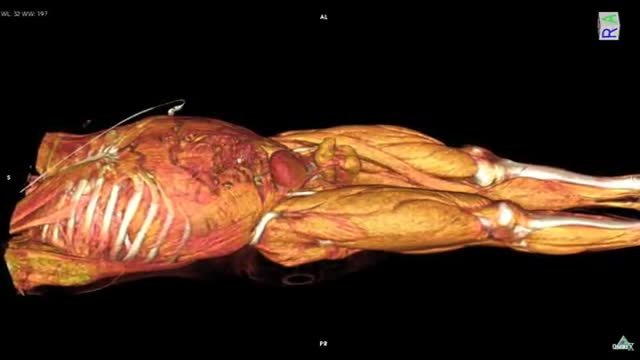
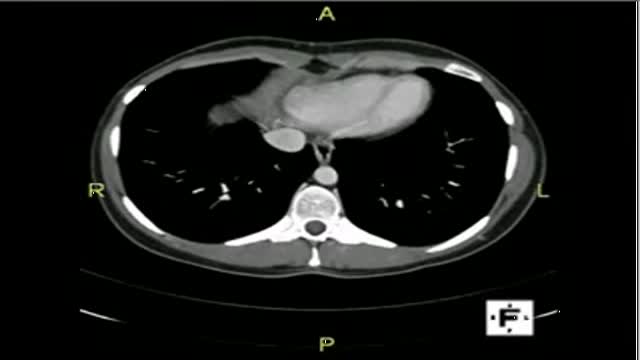
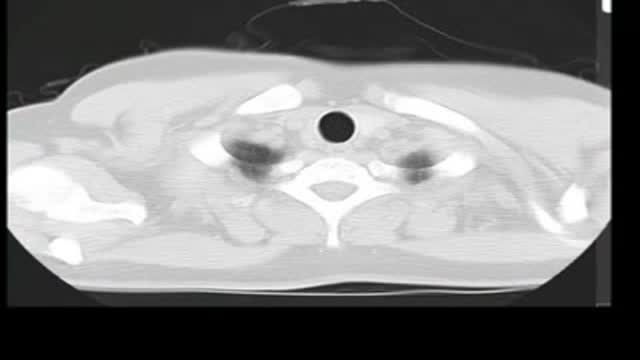
A CT scan takes a series of X-ray pictures while rotating around you, and a computer stacks them into detailed cross-sections of your body. It is one of the quickest scans there is — the picture-taking itself takes minutes. This guide explains how to prepare, what the contrast dye feels like, and what happens on the day, with videos of real CT scanners and scans from our catalog.
✓ Medically reviewed by Dr. Mohamed Ibrahim, MD, PhD — physician-scientist · Last reviewed: October 2026
What it is and why it is done
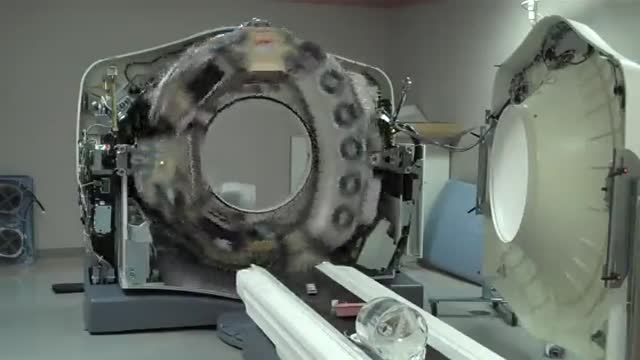
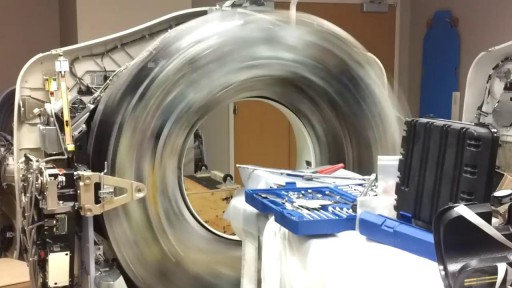
CT is the workhorse scan for injuries, chest and abdominal problems, stroke assessment and cancer care, because it is fast and shows bones, organs and blood vessels clearly in cross-section. The scanner is a large ring — a doughnut, not a tunnel — and the table moves you through it while the X-ray tube spins inside the ring, out of sight.
Many CT scans use a contrast dye (containing iodine) injected into a vein to make vessels and organs stand out. Because the kidneys clear the dye, the team checks kidney function first — sometimes with a recent blood test. CT does use ionising radiation, at a higher dose than a single plain X-ray, so scans are requested when the information is expected to change your care.
How to Prepare
Preparation depends on the body part and whether contrast is planned — your appointment letter rules:
- If your scan uses contrast, you may be asked not to eat for a few hours beforehand (drinking water is usually still fine). Follow your letter.
- Tell the team about any previous reaction to contrast dye, kidney problems, asthma, or medicines for diabetes — they may check a kidney blood test first.
- Remove metal in the scan area — jewellery, underwired bras, belts, dentures if the head is being scanned — because metal distorts the pictures.
- Tell the team if there is any chance you could be pregnant, so they can weigh up the scan with you.
- Wear loose, comfortable clothes; you may be asked to change into a gown.
- If contrast is planned, arrive in time for a small cannula to be placed in your arm — the injection is given through it during the scan.
If your clinic gave you different instructions, follow theirs — they know your situation.
Before, during and after
Before
You check in, confirm your details and safety questions, and change if needed. If contrast is part of the scan, a cannula is placed in your arm or hand. The radiographer positions you on the table — usually lying on your back — and explains the breathing instructions for your scan. Pillows and straps help you stay comfortable and still.
During
The table slides into the ring and the scanner takes a quick planning image first. Then the table moves slowly through the ring while the real pictures are taken — each pass takes only seconds, and you may be asked to hold your breath for a few seconds at a time. If contrast is injected, expect a warm flush spreading through your body, a metallic taste, and a brief feeling as if you have wet yourself — you have not; it is a well-known effect of the dye and passes in a minute. The whole scan typically takes about 5 to 20 minutes.
After
The cannula comes out and you can get dressed and go — most people need no recovery time at all. If you had contrast, drinking plenty of fluid over the next day helps your kidneys clear the dye. A radiologist reports the scan and sends the result to the doctor who referred you; the department will tell you how and when to expect it. Seek advice if you develop a rash, itching or swelling in the hours after contrast — delayed reactions are uncommon but worth reporting.
Watch: see it explained on video

Frequently asked questions
How much radiation does a CT scan involve?
More than a single plain X-ray, because CT takes many pictures from many angles. Radiologists and referring doctors weigh that dose against the value of the information, and scanners are set to use the lowest dose that still gives clear pictures for your size and the body part being scanned. If you are worried, ask the team — they can explain the reasoning for your scan.
What does the contrast dye feel like?
As it is injected, most people notice warmth spreading through the body, a metallic taste in the mouth, and sometimes a brief sensation of needing to pass urine. These feelings are normal effects of the dye and fade within a minute or two. Tell the radiographer if you feel itchy, tight-chested or unwell instead.
How long does a CT scan take?
The scan itself is fast — often just a few minutes of actual picture-taking, and typically 5 to 20 minutes on the table in total. Allow extra time before and after for check-in, safety questions, changing and, if your scan uses contrast, having a cannula placed.
What is the difference between CT and MRI?
CT uses X-rays rotating around you and is very fast, which makes it ideal for emergencies, chest and abdomen problems and bones. MRI uses magnets and radio waves, takes longer, and shows soft tissues such as the brain, spinal cord and joints in greater detail. Your doctor chooses based on the question being asked, and sometimes both are used.
When will I get my CT results?
A radiologist studies the images and writes a report for the doctor who referred you. Routine outpatient results often take several days to a couple of weeks; scans done as an emergency are reported the same day. The department or your referring doctor will tell you how your results will reach you.
This guide is general information, not medical advice. Follow your own clinician's instructions if they differ — they know your health history and the exact test you are having.