
- Physical Examination
- Surgical Examination
- Ophthalmology
- Clinical Skills
- Orthopedics
- Surgery Videos
- Laparoscopy
- Pediatrics
- Funny Videos
- Cardiothoracic Surgery
- Nursing Videos
- Plastic Surgery
- Otorhinolaryngology
- Histology and Histopathology
- Neurosurgery
- Dermatology
- Pediatric Surgery
- Urology
- Dentistry
- Oncology and Cancers
- Anatomy Videos
- Health and Fitness
- Radiology
- Anaesthesia
- Physical Therapy
- Pharmacology
- Interventional Radiology
- Cardiology
- Endocrinology
- Gynecology
- Emergency Medicine
- Psychiatry and Psychology
- Childbirth Videos
- General Medical Videos
- Nephrology
- Physiology
- Diet and Food Health
- Diabetes Mellitus
- Neurology
- Women Health
- Osteoporosis
- Gastroenterology
- Pulmonology
- Hematology
- Rheumatology
- Toxicology
- Nuclear Medicine
- Infectious Diseases
- Vascular Disease
- Reproductive Health
- Burns and Wound Healing
- Kidney Zone Podcast
- Other
ECG & Stress Test — How to Prepare and What to Expect
An ECG records the heart's electrical activity through stickers on the skin — it is quick, painless and often the first heart test anyone has. A stress test goes further: it watches your ECG and blood pressure while your heart is made to work harder, on a treadmill or with a medicine. This guide explains how to prepare for both, what happens during each, and what the teams are looking for, with videos from our catalog.
✓ Medically reviewed by Dr. Mohamed Ibrahim, MD, PhD — physician-scientist · Last reviewed: October 2026
What it is and why it is done
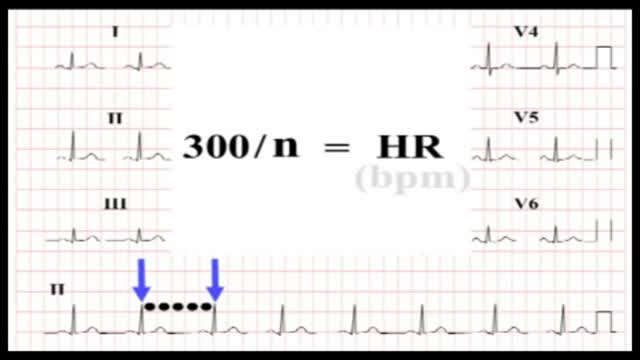
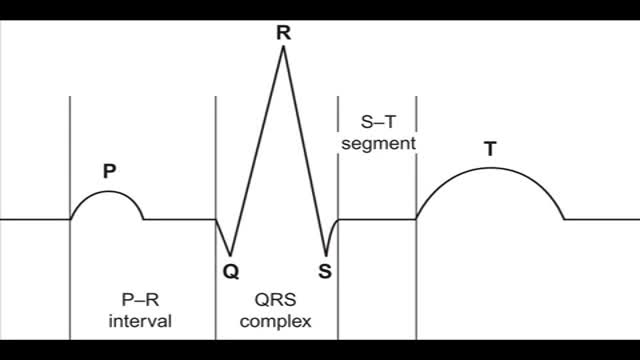
Every heartbeat is triggered by an electrical signal spreading through the heart muscle, and an ECG (electrocardiogram) picks that signal up from the skin. A standard 12-lead ECG prints a tracing that shows the heart's rate, rhythm and electrical patterns, and can give clues about strain, previous damage or thickened muscle. It takes only a few minutes and involves no electricity going into you — the machine only listens.
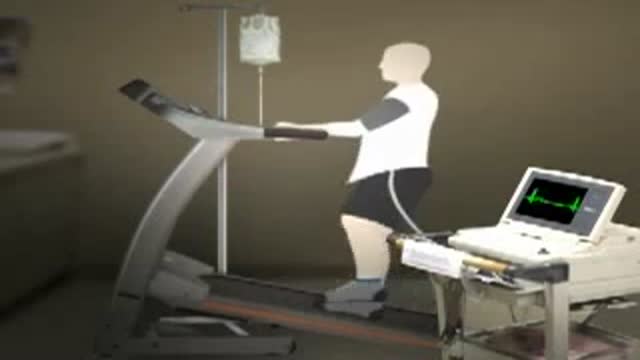
Some heart problems only appear when the heart works hard, because a narrowed artery may deliver enough blood at rest but not on exertion. A stress test therefore records the ECG and blood pressure while you exercise in gradually harder stages. If you cannot exercise, a medicine can stress the heart instead, sometimes combined with an imaging scan. The test is supervised throughout, with clear rules for stopping.
How to Prepare
Most preparation is about skin contact, clothing and medicines:
- Wear a comfortable two-piece outfit and, for a stress test, shoes you can walk briskly in. The team needs access to your chest for the stickers.
- Skip body lotion or oil on your chest that day — the stickers need to grip, and small patches of chest hair may be clipped so they stick and give a clean signal.
- Before a stress test, eat only lightly in the hours before, and follow any instruction about caffeine — some types of stress test ask you to avoid it, because it can interfere with the medicine used.
- Ask the team in advance whether to take your usual medicines on the day. Some heart medicines are paused for stress tests so the heart can respond fully — but only ever if the team tells you to pause them.
- Bring a list of your medicines, and mention inhalers, joint or balance problems, or anything that limits how you exercise.
- For a resting ECG there is no preparation at all — no fasting, no changes to medicines.
If your clinic gave you different instructions, follow theirs — they know your situation.
Before, during and after
Before
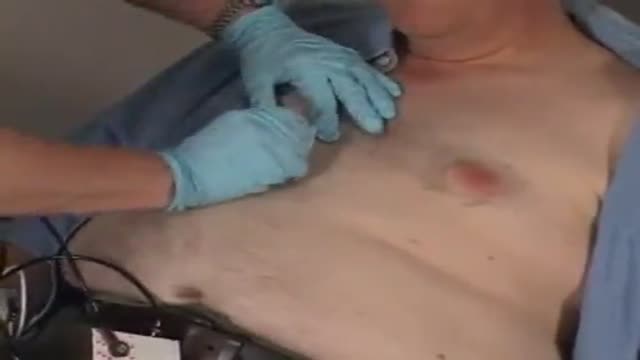
For an ECG, you lie on a couch and the clinician attaches small sticky electrodes — typically ten of them — to your chest, arms and legs, sometimes after cleaning the skin so they stick well. For a stress test, the same electrodes are placed, a blood-pressure cuff goes on your arm, a resting ECG and blood pressure are recorded first, and the team explains the stages and the stop signals before you start.
During
A resting ECG is simply: lie still and breathe normally for a few seconds while the machine records. You will feel nothing at all. In a stress test you walk on the treadmill (or pedal) as the speed and slope rise every few minutes; the team records your ECG and blood pressure at each stage and asks how you feel. You can stop at any time — and should say at once if you get chest pain, severe breathlessness, dizziness or leg pain. The exercise part usually lasts several minutes, tailored to you, and reaching your target heart rate is not the only goal — how you feel and what the tracing shows matter just as much.
After
The stickers peel off — the worst part of an ECG. After a stress test you are monitored for several minutes while your heart rate and blood pressure settle. You can then eat, drink and carry on normally. A doctor reviews the results afterwards — stress test reports take some time to prepare — and you will be told how they reach you. If a medicine was used to stress the heart, the team keeps you until its effects wear off.
Watch: see it explained on video

Frequently asked questions
Does an ECG hurt?
No. An ECG only records signals from the surface of your skin — nothing is sent into your body. The stickers are attached and removed like plasters; removing them from hairy skin can tug a little, and that is genuinely the most uncomfortable part of the test.
How long do the tests take?
A resting ECG takes a few minutes from stickers on to stickers off. A stress test appointment is longer — often up to an hour — covering the resting recordings, the exercise itself (usually several minutes of gradually harder walking), and a monitored recovery period afterwards.
What if I cannot walk on a treadmill?
Tell the team when you book. There are well-established alternatives: a medicine can be used to stress the heart while you lie on a couch (a pharmacological stress test), sometimes paired with an ultrasound or other scan of the heart. You will still be monitored in exactly the same careful way.
Can an ECG show a heart attack?
An ECG is one of the first tests used when a heart attack is suspected, and it can show patterns of a heart under strain or damaged muscle. But doctors never rely on it alone — symptoms, examination and blood tests complete the picture, and a normal ECG does not by itself rule a heart problem in or out.
Should I stop my heart medicines before a stress test?
Only if the team specifically tells you to. Some medicines blunt the heart's response to exercise and are sometimes paused so the test gives a clearer answer — but stopping them without advice can be unsafe. The appointment letter or a quick phone call to the department will tell you exactly what to do with each medicine.
This guide is general information, not medical advice. Follow your own clinician's instructions if they differ — they know your health history and the exact test you are having.