
- Physical Examination
- Surgical Examination
- Ophthalmology
- Clinical Skills
- Orthopedics
- Surgery Videos
- Laparoscopy
- Pediatrics
- Funny Videos
- Cardiothoracic Surgery
- Nursing Videos
- Plastic Surgery
- Otorhinolaryngology
- Histology and Histopathology
- Neurosurgery
- Dermatology
- Pediatric Surgery
- Urology
- Dentistry
- Oncology and Cancers
- Anatomy Videos
- Health and Fitness
- Radiology
- Anaesthesia
- Physical Therapy
- Pharmacology
- Interventional Radiology
- Cardiology
- Endocrinology
- Gynecology
- Emergency Medicine
- Psychiatry and Psychology
- Childbirth Videos
- General Medical Videos
- Nephrology
- Physiology
- Diet and Food Health
- Diabetes Mellitus
- Neurology
- Women Health
- Osteoporosis
- Gastroenterology
- Pulmonology
- Hematology
- Rheumatology
- Toxicology
- Nuclear Medicine
- Infectious Diseases
- Vascular Disease
- Reproductive Health
- Burns and Wound Healing
- Kidney Zone Podcast
- Other
MRI Scan — How to Prepare and What to Expect
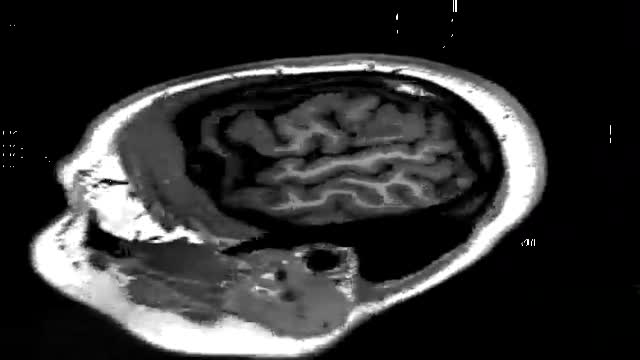
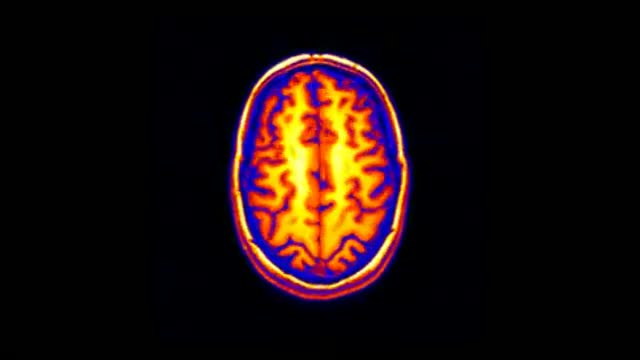
An MRI scan builds detailed pictures of the inside of your body using a strong magnet and radio waves — no X-rays are involved. It is painless, but it is loud, the space is snug, and you have to lie very still. This guide explains how to prepare, what the safety questions are really about, and what the scan feels like minute by minute, with videos of real MRI scans from our catalog.
✓ Medically reviewed by Dr. Mohamed Ibrahim, MD, PhD — physician-scientist · Last reviewed: October 2026
What it is and why it is done
MRI is very good at showing soft tissues — the brain, spinal cord, joints, ligaments and organs — in fine detail and from several angles. A scanner contains a powerful magnet that temporarily lines up the water molecules in your body; short bursts of radio waves then nudge them, and the signals they give off as they settle are turned into images by computer. Because it uses magnets and radio waves rather than ionising radiation, MRI does not carry the radiation exposure of X-rays or CT.
The trade-offs are time and sensitivity to metal. Scans take longer than CT, and the strong magnet means anything metallic — inside your body as well as on it — has to be checked carefully first. Some scans also use a contrast dye containing gadolinium, given through a small cannula, to make certain tissues and blood vessels stand out.
How to Prepare
Most MRI preparation is about metal safety and being able to lie still:
- You will fill in a safety questionnaire about implants and metal: pacemakers, cochlear implants, aneurysm clips, metal fragments from eye injuries, and shrapnel. Answer honestly — the team can check almost everything, but only if they know about it.
- Remove jewellery, watches, hair clips, hearing aids and bank cards before the scan, and expect to change into a gown if your clothes have metal fastenings.
- You can usually eat, drink and take your medicines as normal, unless your appointment letter says otherwise — a few scans of the abdomen ask for a short fast.
- If your scan uses contrast dye, tell the team about kidney problems or any previous reaction to contrast or allergies.
- If enclosed spaces worry you, tell the department in advance — not on the day. Options can include a wider scanner, having the scan feet-first where possible, music, and sometimes a sedative arranged beforehand.
- Arrive a little early: the safety form and getting changed take time, and a calm start makes lying still much easier.
If your clinic gave you different instructions, follow theirs — they know your situation.
Before, during and after
Before
Staff go through your safety form with you, check any implants against their records, and you change and store your belongings in a locker. If contrast is planned, a cannula goes into your arm or hand. You will be offered earplugs or headphones — take them — and shown the call button you can squeeze at any time to talk to the radiographer or stop the scan.
During
You lie on a table that slides into the scanner tube, and the part being scanned sits in the middle. The scan runs in sequences of a few minutes each. You will hear loud knocking, buzzing and banging — that is the scanner working normally, and it changes rhythm between sequences. The key job is yours: lie as still as you can, because movement blurs the pictures. The radiographer watches you the whole time through a window and talks to you between sequences. A typical scan takes about 15 to 60 minutes depending on the body part and how many sequences are needed.
After
There are no after-effects from the scan itself — no radiation stays in your body — and you can eat, drink and carry on with your day. If you had a sedative, you will need someone to take you home. If contrast was used, drinking normally helps your kidneys clear it. A radiologist studies the images and sends a report to the doctor who referred you, usually within days; the department will tell you how results are given.
Watch: see it explained on video




Keep exploring
Frequently asked questions
Does an MRI scan involve radiation?
No. MRI uses a strong magnet and radio waves, not X-rays or other ionising radiation, so there is no radiation dose from the scan itself. The safety issues with MRI are about metal and implants being affected by the magnet — which is why the safety questionnaire matters so much.
How long does an MRI take?
Most scans take between about 15 and 60 minutes inside the scanner, depending on the body part and the number of image sequences. Allow longer for the whole visit, to cover the safety checks, getting changed and, if needed, placing a cannula for contrast dye.
What if I am claustrophobic?
Tell the department when you book, not when you arrive. Many people manage with earplugs, music, a mirror or prism glasses that let you see out, and the knowledge that they hold a call button. Some centres have wider, shorter scanners, and a mild sedative can sometimes be arranged in advance through your doctor.
Can I have an MRI with a pacemaker or implant?
Sometimes, yes — many modern pacemakers and implants are designed to be MRI-conditional, meaning they can be scanned under specific settings. Others cannot. Never assume either way: tell the team exactly what you have, and bring any implant card, so they can check the device properly before deciding.
Why is MRI so loud?
The knocking and banging comes from the scanner's gradient coils switching rapidly as each sequence runs — loud, mechanical and completely normal. Earplugs or headphones bring it down to a manageable level, and many departments can play music.
This guide is general information, not medical advice. Follow your own clinician's instructions if they differ — they know your health history and the exact test you are having.