
- Physical Examination
- Surgical Examination
- Ophthalmology
- Clinical Skills
- Orthopedics
- Surgery Videos
- Laparoscopy
- Pediatrics
- Funny Videos
- Cardiothoracic Surgery
- Nursing Videos
- Plastic Surgery
- Otorhinolaryngology
- Histology and Histopathology
- Neurosurgery
- Dermatology
- Pediatric Surgery
- Urology
- Dentistry
- Oncology and Cancers
- Anatomy Videos
- Health and Fitness
- Radiology
- Anaesthesia
- Physical Therapy
- Pharmacology
- Interventional Radiology
- Cardiology
- Endocrinology
- Gynecology
- Emergency Medicine
- Psychiatry and Psychology
- Childbirth Videos
- General Medical Videos
- Nephrology
- Physiology
- Diet and Food Health
- Diabetes Mellitus
- Neurology
- Women Health
- Osteoporosis
- Gastroenterology
- Pulmonology
- Hematology
- Rheumatology
- Toxicology
- Nuclear Medicine
- Infectious Diseases
- Vascular Disease
- Reproductive Health
- Burns and Wound Healing
- Kidney Zone Podcast
- Other
What Is an AV Fistula for Dialysis?
What is an AV fistula for dialysis? How it is made in the arm, how it matures, and how it compares with grafts and catheters.
11/04/26 • 13 Views


A dialysis machine can only clean your blood if it can reach it — reliably, at a good flow, three or more times a week, for years. Ordinary veins are too fragile for that job: they collapse under repeated needle sticks and cannot carry the flow the machine needs. So before hemodialysis begins, most people need a purpose-built doorway into the bloodstream. The doorway surgeons prefer, whenever the blood vessels allow it, is an arteriovenous fistula — an AV fistula for short.
An AV fistula is created by joining one of your own arteries directly to one of your own veins, usually in the arm. Nothing synthetic is added. Because arterial blood now flows straight into the vein, the vein gradually stretches, thickens, and strengthens over the following weeks — a process clinicians call maturation — until it can be needled again and again for dialysis. Our dialysis hub explains where this fits in the wider picture of kidney failure treatment, and our guide to how dialysis works walks through what the machine itself does once it is connected.
The operation in the video: a basilic vein transposition
Fistulas are most often made at the wrist or the elbow, using whichever artery and vein your team's mapping scans show to be in the best condition. The video at the top of this page, "Brachial-basilic AV fistula", running about fourteen minutes, follows one of the upper-arm options: the basilic vein, which runs along the inner upper arm, is connected to the brachial artery and repositioned — transposed — so it lies closer to the skin where dialysis needles can reach it. Its description frames the point plainly: access made from your own tissue is considered the key to long-term success with hemodialysis, a position it attributes to the National Kidney Foundation's dialysis guidelines.
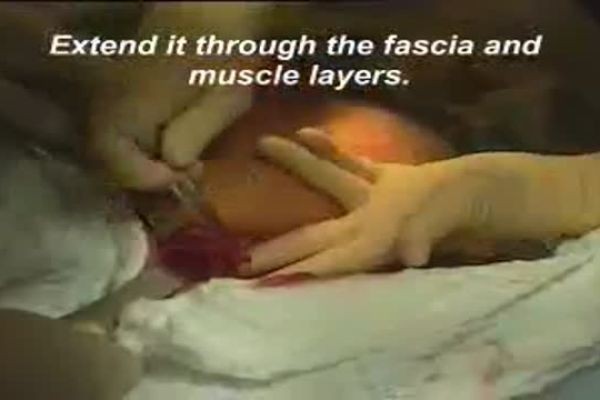
You will usually be asleep, or the arm will be numbed with a regional block, depending on the operation and your team's plan. Through an incision in the arm, the surgeon frees the vein, joins it to the side of the artery with fine stitches, and checks that blood is flowing through the new connection — a well-made fistula often produces a gentle vibration you can feel through the skin, called a thrill, and a soft whooshing sound, called a bruit, that clinicians listen for at every check. The skin is then closed, and the arm is kept rested while the connection begins its slow strengthening.
The waiting part: maturation
Here is the part that surprises people. A new fistula is not ready for dialysis the next day. The vein needs time — typically weeks, and sometimes a few months — to enlarge and toughen under its new, stronger flow, and the team checks it during that period, sometimes with ultrasound, to confirm it is developing as hoped. That is why fistulas are ideally created well before dialysis is expected to start, while kidney function is still being monitored; tools like our eGFR calculator are part of how that decline is tracked over time. Occasionally a fistula does not mature enough on its own and needs a further procedure to help it along, or a different access has to be planned — disappointing, but something your team will spot at the follow-up checks rather than on the first day of dialysis.
Fistula, graft, or catheter? The honest comparison
The fistula is not the only doorway, and comparing the three options explains why it is usually the first choice.
A fistula uses only your own vessels. It generally lasts the longest of the three and carries the lowest infection risk, because there is no foreign material in the body. Its price is patience: it takes the longest to become usable, and it needs suitable veins to begin with, which not everyone has.
A graft is the middle option. Instead of joining artery to vein directly, the surgeon tunnels a short length of soft synthetic tube under the skin and connects one end to an artery and the other to a vein; dialysis needles then go into the graft. It can usually be used sooner than a fistula and works when your own veins are too small or worn, but the synthetic material is more prone to clotting and infection over time and often needs maintenance procedures. This site's companion video, "AV Fistula Graft", looks at this alternative.
A catheter is a thin tube placed into a large vein in the neck or chest, with its tip near the heart. It needs no operation on the arm and can be used immediately, which makes it the standard answer when dialysis has to start urgently. For the long term, though, it is usually the least favoured of the three: the infection risk is higher, the flows are less reliable, and a long-standing catheter can narrow the central veins that future fistulas depend on. Many people who start dialysis on a catheter later have a fistula or graft created and switch once it is ready.
None of this makes the choice automatic. Your veins, your timeline, and whether dialysis is planned in advance or starts in an emergency all feed into it — which is why access planning involves your kidney team and a vascular surgeon together, ideally long before the first session.
Looking after a fistula arm
Once you have a fistula, it becomes something of a lifeline, and you will be taught to treat the arm accordingly. The everyday rules are simple. Keep the skin over it clean. Learn to feel for the thrill each day — its absence is a reason to contact your dialysis unit promptly, since it can mean the fistula has clotted. Avoid tight sleeves, heavy bags, and sleeping with the arm trapped under you, all of which can compress the vein. And protect it from other medical procedures: blood pressure cuffs and routine blood draws are normally kept off the fistula arm, so remind any clinician who reaches for it. If you notice redness, swelling, pain, or the arm becoming cold or pale, report it rather than waiting for your next session.
Put together, the logic is straightforward: dialysis needs dependable access, your own vein — given time to strengthen — is usually the most dependable access of all, and the operation in the video is how surgeons build it when the basilic vein is the vessel chosen.
References & further reading
- MedlinePlus — Dialysis: https://medlineplus.gov/dialysis.html
- MedlinePlus — Kidney Failure: https://medlineplus.gov/kidneyfailure.html
- National Institute of Diabetes and Digestive and Kidney Diseases (NIDDK) — Hemodialysis: https://www.niddk.nih.gov/health-information/kidney-disease/kidney-failure/hemodialysis
Frequently Asked Questions
Does creating an AV fistula hurt, and how long is recovery?
The operation is done under general anaesthetic or with the arm numbed by a regional block, so you should not feel the surgery itself. Afterwards the arm is usually sore and may bruise for a few days, and you will be asked to keep it rested and raised at first. Most people go home the same day or after a short stay, but "recovery" in the fistula sense really means the weeks of maturation that follow.
Can I use the fistula straight away if dialysis has to start urgently?
No — a new fistula needs weeks to mature before it can be needled safely. If dialysis cannot wait, the team will usually place a catheter first and use that until the fistula is ready, then switch over and remove the catheter.
What does it feel like when the fistula is used for dialysis?
Two needles are placed into the strengthened vein for each session — one to draw blood out to the machine and one to return it. The needle insertions sting briefly, and you may feel the gentle vibration of the fistula itself between sessions, which is normal and expected. Your dialysis team will show you what the thrill should feel like so you can check it at home.
What are the main risks of fistula surgery?
Alongside the general risks of any operation — bleeding, infection, and anaesthetic problems — the specific concerns are the fistula failing to mature, narrowing or clotting over time, the arm swelling, or, uncommonly, too much blood being diverted from the hand, which can leave it cold or achy. Your surgeon will explain the risks that apply to your operation before you consent, and follow-up checks are designed to catch most problems early.
MedicalVideos.com has published trusted medical videos since 2007. The site was founded by Dr. Mohamed Ibrahim, MD, PhD — physician-scientist.
Educational only — this article is general information about AV fistula creation for dialysis, not medical advice and not a diagnosis. Whether this treatment, or any treatment, is right for you is a matter for your own care team, who know your results and your history.
Related Articles



Medical Videos
Free medical and surgery videos for patients, students and professionals — trusted since 2007.
Founded by Dr. Mohamed Ibrahim, MD, PhD — physician-scientist.
Follow us on Facebook · Instagram