
- Physical Examination
- Surgical Examination
- Ophthalmology
- Clinical Skills
- Orthopedics
- Surgery Videos
- Laparoscopy
- Pediatrics
- Funny Videos
- Cardiothoracic Surgery
- Nursing Videos
- Plastic Surgery
- Otorhinolaryngology
- Histology and Histopathology
- Neurosurgery
- Dermatology
- Pediatric Surgery
- Urology
- Dentistry
- Oncology and Cancers
- Anatomy Videos
- Health and Fitness
- Radiology
- Anaesthesia
- Physical Therapy
- Pharmacology
- Interventional Radiology
- Cardiology
- Endocrinology
- Gynecology
- Emergency Medicine
- Psychiatry and Psychology
- Childbirth Videos
- General Medical Videos
- Nephrology
- Physiology
- Diet and Food Health
- Diabetes Mellitus
- Neurology
- Women Health
- Osteoporosis
- Gastroenterology
- Pulmonology
- Hematology
- Rheumatology
- Toxicology
- Nuclear Medicine
- Infectious Diseases
- Vascular Disease
- Reproductive Health
- Burns and Wound Healing
- Kidney Zone Podcast
- Other
Flu, COVID-19 & Respiratory
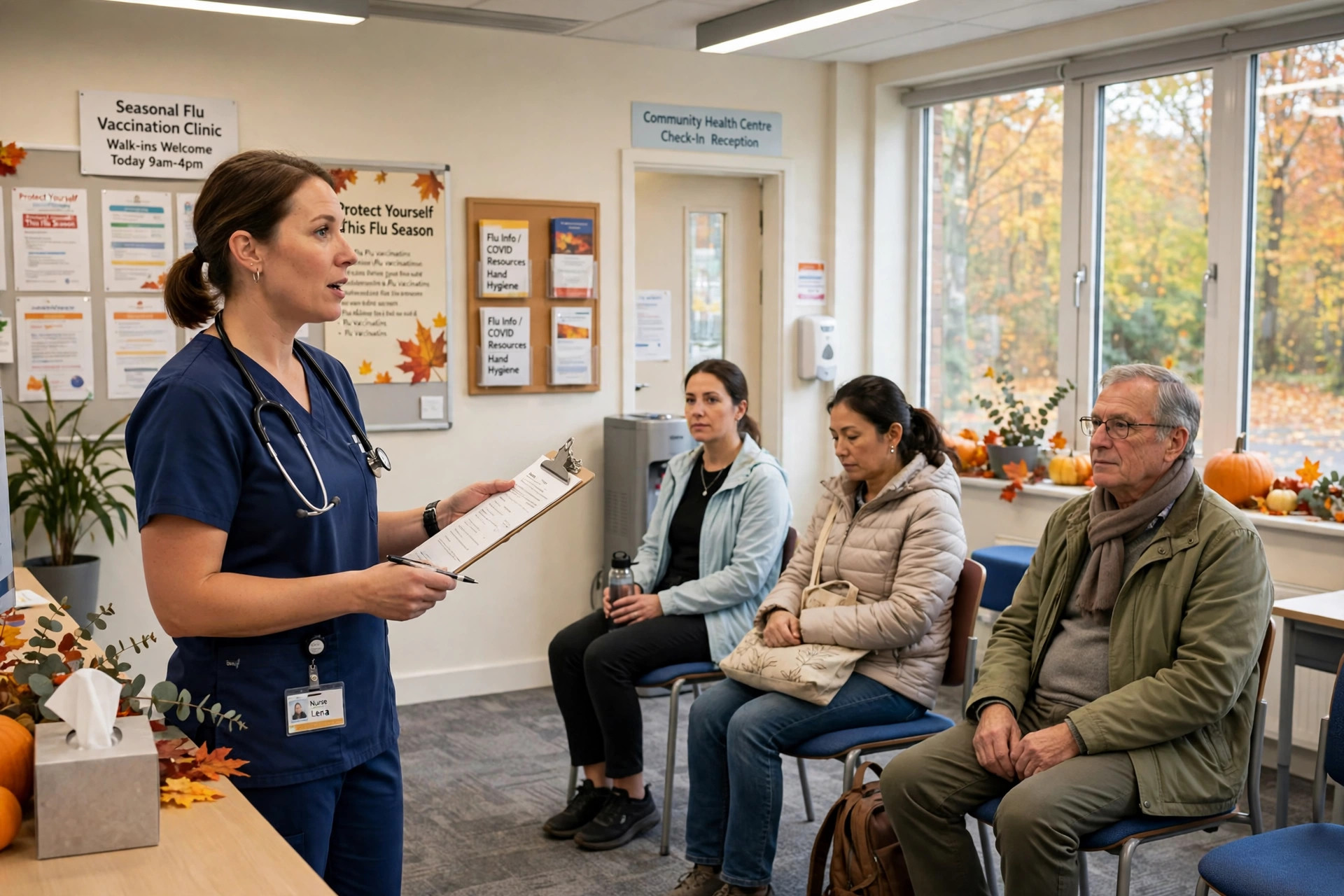
Influenza, COVID-19 and RSV are the respiratory viruses with vaccines or preventive antibodies on the CDC schedules. Flu vaccine is a yearly routine from 6 months of age; COVID-19 vaccination is now an individual decision made with a clinician; and babies can be protected against RSV by a long-acting antibody — which is not a vaccine, and these guides say so plainly.
Guides in this category
3 guides — each explains what the vaccine protects against, who it is for, how many doses there are, and who should wait or ask first.
Flu Vaccine (Influenza)1 dose annually (2 doses for young children in their first seasons) · Everyone aged 6 months and older should get a flu vaccine every year.COVID-19 VaccineDepends on age, product and previous doses — see below · COVID-19 vaccination is on the CDC schedules from 6 months of age, but since October 2025 it is framed as an individual decision made with a clinician — with the benefit clearest for people at increased risk of severe COVID-19, including older adults and pregnant people..RSV Antibody for Babies (Nirsevimab) — Not a Vaccine1 dose per RSV season · Nirsevimab is not a vaccine — it is a ready-made antibody injection that protects babies through their first RSV season.About this group
Respiratory virus recommendations have changed more often than any other part of the schedule in recent years, so these guides follow the CDC schedules in effect in late 2026 and flag where the wording has recently changed. Flu vaccine is reformulated every year to match the strains expected to circulate. For COVID-19, the benefit of vaccination is greatest for people at increased risk of severe illness, and the decision is an individual one.
Useful links and tools
Other vaccine categories
This guide explains how a vaccine is usually given and who it is generally offered to, following the CDC immunization schedules. It is general educational information only — not medical advice, and not a recommendation for you personally. Whether a vaccine is right for you depends on your age, health and history, so talk to your own clinician or pharmacist. If you are ill now, seek medical care promptly rather than waiting for a vaccination appointment.