
- Physical Examination
- Surgical Examination
- Ophthalmology
- Clinical Skills
- Orthopedics
- Surgery Videos
- Laparoscopy
- Pediatrics
- Funny Videos
- Cardiothoracic Surgery
- Nursing Videos
- Plastic Surgery
- Otorhinolaryngology
- Histology and Histopathology
- Neurosurgery
- Dermatology
- Pediatric Surgery
- Urology
- Dentistry
- Oncology and Cancers
- Anatomy Videos
- Health and Fitness
- Radiology
- Anaesthesia
- Physical Therapy
- Pharmacology
- Interventional Radiology
- Cardiology
- Endocrinology
- Gynecology
- Emergency Medicine
- Psychiatry and Psychology
- Childbirth Videos
- General Medical Videos
- Nephrology
- Physiology
- Diet and Food Health
- Diabetes Mellitus
- Neurology
- Women Health
- Osteoporosis
- Gastroenterology
- Pulmonology
- Hematology
- Rheumatology
- Toxicology
- Nuclear Medicine
- Infectious Diseases
- Vascular Disease
- Reproductive Health
- Burns and Wound Healing
- Kidney Zone Podcast
- Other
Pneumococcal Vaccine for Children (PCV)
Pneumococcal conjugate vaccine protects young children against pneumococcal meningitis, blood infection and pneumonia. The CDC schedule gives 4 doses of PCV15 or PCV20 at 2, 4, 6 and 12–15 months.
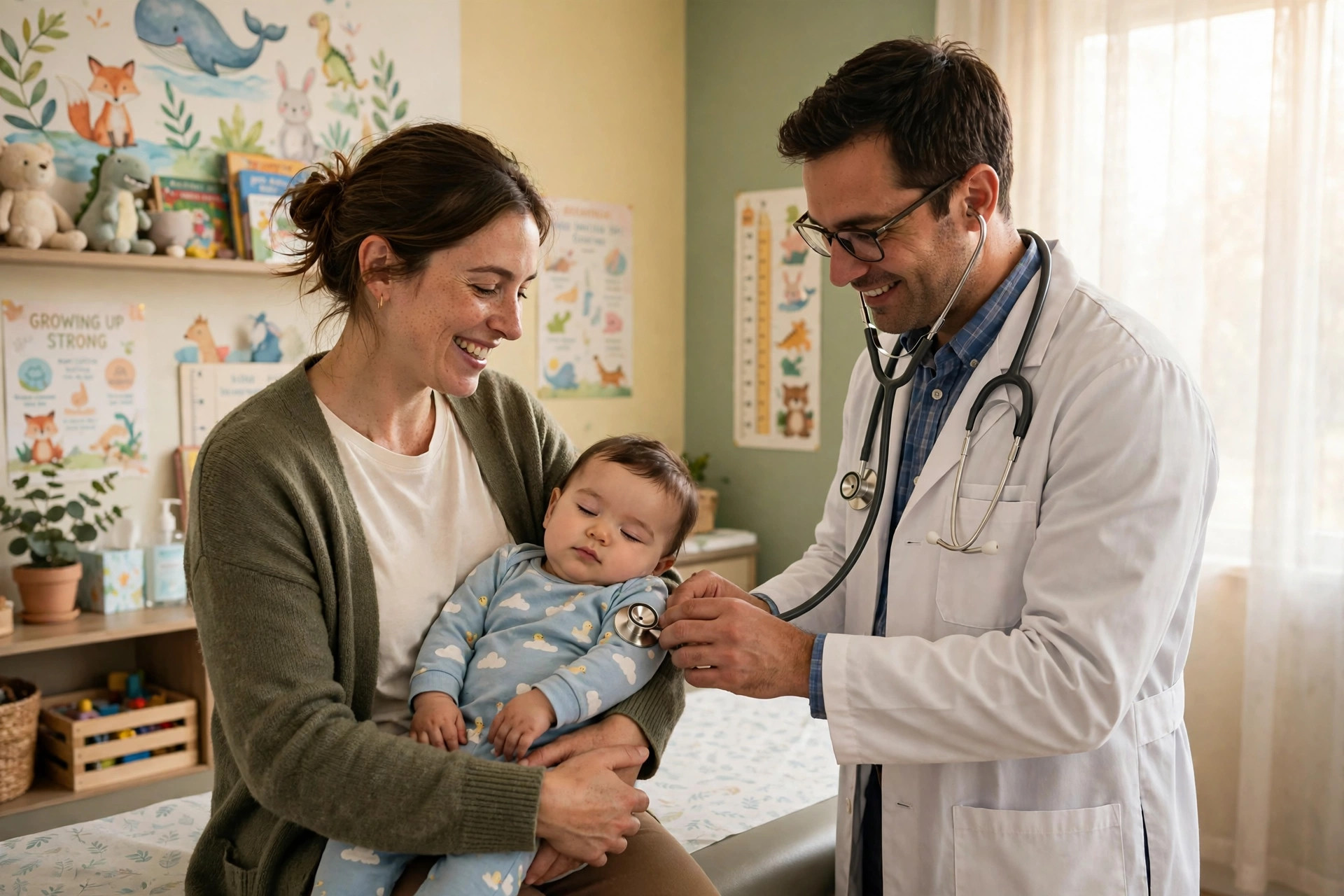
Pneumococcus (Streptococcus pneumoniae) is a bacterium carried in the nose and throat that can cause ear infections and sinusitis — and, in young children, invasive diseases: meningitis, bloodstream infection and pneumonia. Before conjugate vaccines, it was the leading cause of bacterial meningitis in children under 5.
PCV links the sugar coats of the pneumococcal strains most likely to cause serious disease (15 strains in PCV15, 20 in PCV20) to a protein so infants can respond. The CDC schedule uses PCV15 or PCV20 for the routine childhood series.
What this vaccine protects against
- Pneumococcal meningitis and bloodstream infection in young children.
- Pneumococcal pneumonia, and some middle-ear infections.
- Invasive disease in children with risk conditions such as cochlear implants, cerebrospinal fluid leaks, chronic heart, lung, liver or kidney disease, diabetes, or a weakened immune system.
Who should get it, and when
All children: a 4-dose series at 2, 4, 6 and 12–15 months, using PCV15 or PCV20.
Healthy children aged 2–4 years with an incomplete series usually need just 1 further PCV dose.
Children aged 2–18 with certain risk conditions may need additional PCV or the polysaccharide vaccine PPSV23 — the exact plan depends on what they have already had, and their clinician will work it out from the record.
What happens at the vaccination visit
- An injection into the thigh in babies or the upper arm in older children.
- Given alongside the other routine infant vaccines at the 2-, 4- and 6-month visits.
How to prepare
- Bring the immunization record — catch-up plans depend on the number and timing of previous doses.
- Tell the clinician if your child has a cochlear implant, a cerebrospinal fluid leak, or a condition or treatment that weakens the immune system.
What to expect afterwards
Soreness and swelling at the injection site, mild fever, irritability and reduced appetite for a day or two are the commonest effects.
These settle without treatment in nearly all cases.
Who should not get it, or should ask first
- A child who had a severe allergic reaction to a previous pneumococcal conjugate vaccine (or to any diphtheria-toxoid-containing vaccine, a component link) should not receive PCV — tell the clinician.
- Children who are moderately or severely ill may be asked to wait until recovered.
Benefits
- Greatly reduces meningitis, bloodstream infection and pneumonia from the covered strains in young children.
- Also reduces pneumococcal disease in unvaccinated older family members, because vaccinated children carry the bacteria less.
Limits and possible harms
- Reactions are usually mild and brief; serious allergic reactions are extremely rare.
- PCV covers the strains in the vaccine, not every pneumococcal strain, so pneumococcal infection remains possible, just much less likely.
Useful links and tools
More in Childhood Vaccines
- Hepatitis B Vaccine (HepB)
- DTaP Vaccine (Diphtheria, Tetanus & Whooping Cough)
- Hib Vaccine (Haemophilus influenzae type b)
- Polio Vaccine (IPV)
Frequently asked questions
What is the difference between PCV15, PCV20 and PPSV23?
PCV15 and PCV20 are conjugate vaccines covering 15 and 20 strains, designed to work in infants; the CDC childhood series uses one of these. PPSV23 is an older-style polysaccharide vaccine covering 23 strains, used from age 2 only in certain risk situations and in adults — it does not work well in children under 2.
My child is 3 and missed some doses. Do we start again?
No — the series is never restarted. Healthy children aged 2–4 years with an incomplete PCV series generally need only 1 more dose. Bring the record and the clinician will confirm the catch-up plan.
This guide explains how a vaccine is usually given and who it is generally offered to, following the CDC immunization schedules. It is general educational information only — not medical advice, and not a recommendation for you personally. Whether a vaccine is right for you depends on your age, health and history, so talk to your own clinician or pharmacist. If you are ill now, seek medical care promptly rather than waiting for a vaccination appointment.