
- Physical Examination
- Surgical Examination
- Ophthalmology
- Clinical Skills
- Orthopedics
- Surgery Videos
- Laparoscopy
- Pediatrics
- Funny Videos
- Cardiothoracic Surgery
- Nursing Videos
- Plastic Surgery
- Otorhinolaryngology
- Histology and Histopathology
- Neurosurgery
- Dermatology
- Pediatric Surgery
- Urology
- Dentistry
- Oncology and Cancers
- Anatomy Videos
- Health and Fitness
- Radiology
- Anaesthesia
- Physical Therapy
- Pharmacology
- Interventional Radiology
- Cardiology
- Endocrinology
- Gynecology
- Emergency Medicine
- Psychiatry and Psychology
- Childbirth Videos
- General Medical Videos
- Nephrology
- Physiology
- Diet and Food Health
- Diabetes Mellitus
- Neurology
- Women Health
- Osteoporosis
- Gastroenterology
- Pulmonology
- Hematology
- Rheumatology
- Toxicology
- Nuclear Medicine
- Infectious Diseases
- Vascular Disease
- Reproductive Health
- Burns and Wound Healing
- Other
Top videos
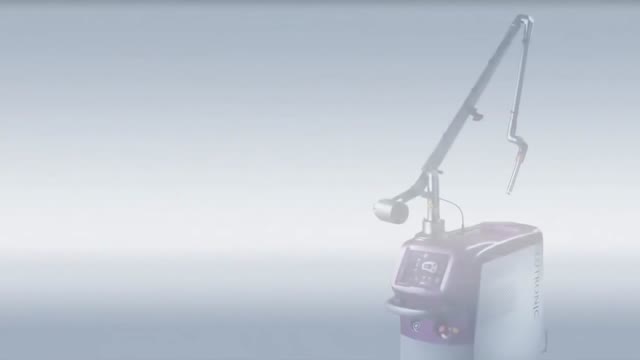

New Minimally Invasive Procedure with No Pain or Downtime… From Dr. Michael Goodman, Caring For Women Wellness Center Laser Vaginal Tightening for Improved Sexual Pleasure and Relief from Minimal Urinary Incontinence Laser Vaginal Therapy for reversing Vaginal Atrophy (Good also for Breast Cancer Survivors with Vaginal Atrophy)

In an autologous transplant, a patient's own blood-forming stem cells are collected. He or she is then treated with high doses of chemotherapy, or a combination of chemotherapy and radiation. The high-dose treatment kills cancer cells, but also eliminates the blood-producing cells that are left in the bone marrow.

How to Improve Sexual Health or Stamina Part 4 All Solution of Male Disorder Male Infertility Diagnostic and Treatment Re-Slim Care Latest Technology in Pakistan Dr. Aslam Naveed is a well known sexologist in Pakistan. He has treated more than 1 Lac patients since last 30 years of clinical Practice in sexology, he knows how to help the people facing sexual disorders. Contact: 02134965050, 03432821919 https://www.facebook.com/menssexcareclinic/ ADDRESS: Men’s Care Modern Hospital, Opposite, Safari Park, University Road, Karachi, Pakistan.
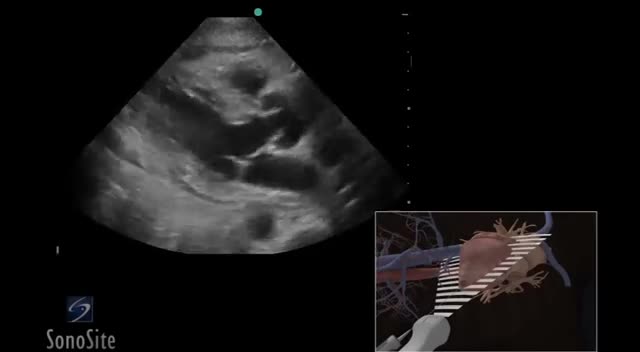
Using 3D animations we have come up with a new way of demonstrating how to perform portable ultrasound examinations
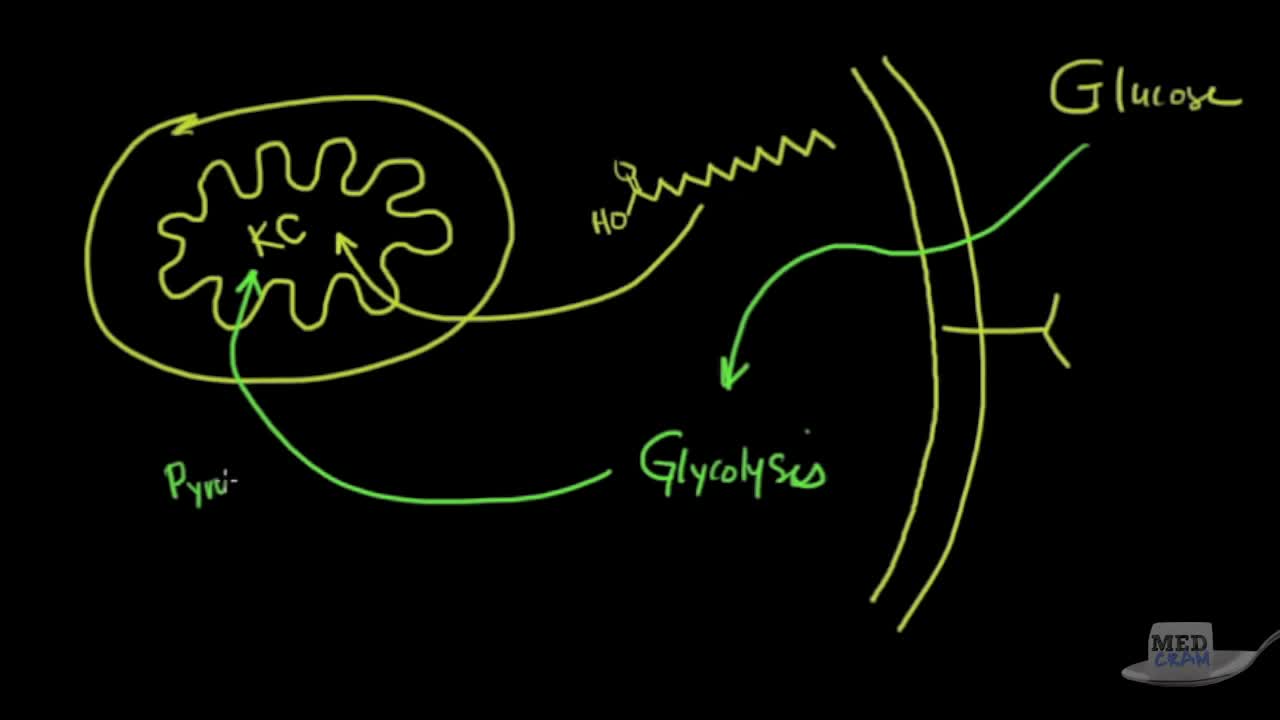
This is video 1 of 2 on diabetic ketoacidosis (pathophysiology and signs of diabetic ketoacidosis / DKA):
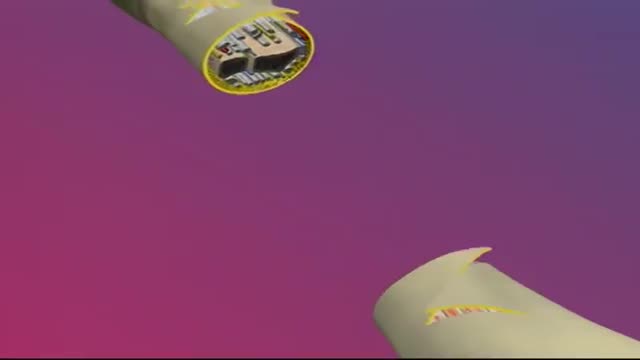
Not every person who is missing a hand or upper limb might be eligible to receive a transplant. Many people are able to live full lives and accomplish everything they desire with the aid of a prosthetic device and sometimes without the aid of anything. However, some people find prosthetics difficult to use and the lack of sensory “feedback” from their prosthesis can significantly limit their function. These persons may consider reconstructive transplantation. We find that those patients who have either bilateral (both hands) amputations or those who have had their dominant hand amputated are likely to receive the most benefit from the procedure. However, we will provide information to any interested person regardless of the nature of their amputation.
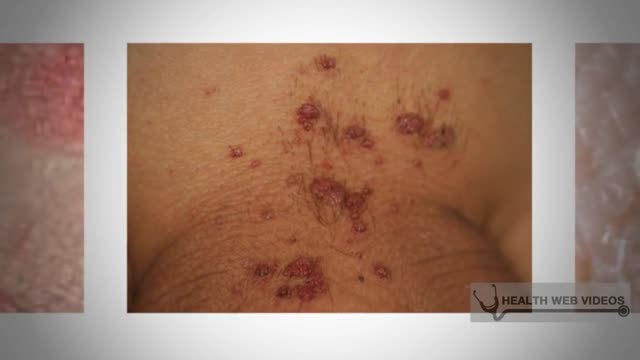
HPV is a different virus than HIV and HSV (herpes). HPV is so common that nearly all sexually active men and women get it at some point in their lives. There are many different types of HPV. Some types can cause health problems including genital warts and cancers.
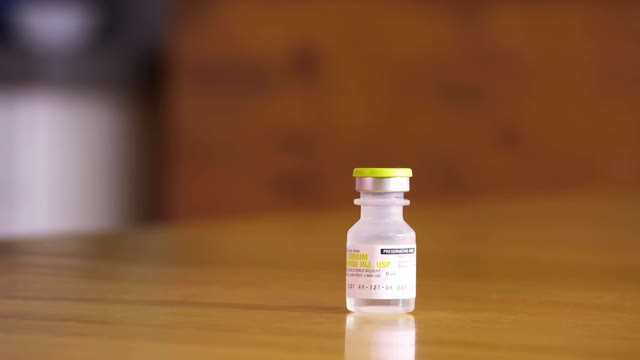
Subcutaneous Injection
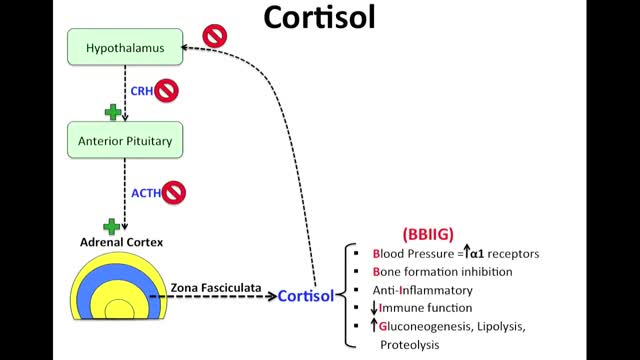
Cushing syndrome occurs when your body is exposed to high levels of the hormone cortisol for a long time. Cushing syndrome, sometimes called hypercortisolism, may be caused by the use of oral corticosteroid medication. The condition can also occur when your body makes too much cortisol on its own. Too much cortisol can produce some of the hallmark signs of Cushing syndrome — a fatty hump between your shoulders, a rounded face, and pink or purple stretch marks on your skin. Cushing syndrome can also result in high blood pressure, bone loss and, on occasion, type 2 diabetes. Treatments for Cushing syndrome can return your body's cortisol production to normal and noticeably improve your symptoms. The earlier treatment begins, the better your chances for recovery.

A seizure occurs when there’s abnormal electrical activity in the brain. Seizures may go virtually unnoticed. Or, in severe cases, they may produce a change or loss of consciousness and involuntary muscle spasms called convulsions. Seizures usually come on suddenly and vary in duration and severity. A seizure may be a one-time event, or you may have seizures repeatedly. Recurrent seizures are called epilepsy, or a seizure disorder. Less than one in 10 people who has a seizure develops epilepsy. Experts classify seizures into two general categories and many subtypes based on the pattern of the attack. Generalized seizures involve both sides of the brain from the start of the attack. Common subtypes include tonic-clonic (grand mal) and absence seizures (petit mal). Febrile and infantile spasms are two types of generalized seizures that occur almost exclusively in young children. Partial (or focal) seizures are the second major seizure type. These begin in a specific area of the brain and may be contained there. Or they may spread to the entire brain. With simple partial seizures, the person remains conscious. Complex partial seizures involve impaired consciousness. What Causes Seizures? Often the cause of a seizure is unknown. Many conditions can provoke seizures, including: Stroke Brain tumors Head injuries Electrolyte imbalance Very low blood sugar Repetitive sounds or flashing lights, such as in video games Medications, such as antipsychotics and some asthma drugs Withdrawal from medications, such as Xanax, narcotics, or alcohol Use of drugs such as cocaine and heroin Cancer Brain infections, such as meningitis
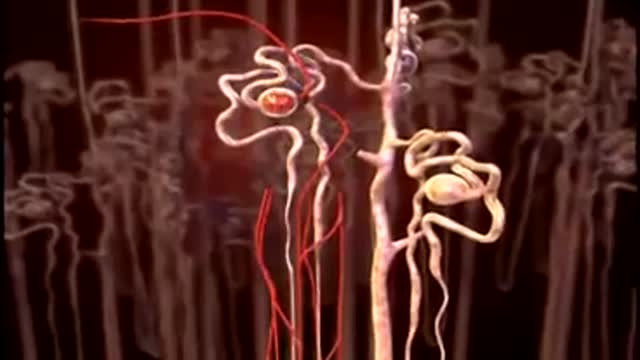
The Urinary System is a group of organs in the body concerned with filtering out excess fluid and other substances from the bloodstream. The substances are filtered out from the body in the form of urine. Urine is a liquid produced by the kidneys, collected in the bladder and excreted through the urethra.
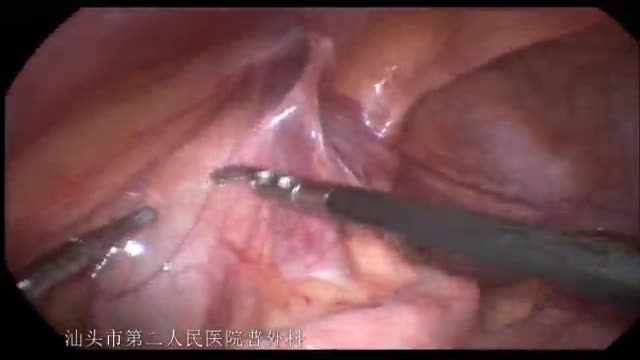
TAPP
Giant cell arteritis is an inflammation of the lining of your arteries. Most often, it affects the arteries in your head, especially those in your temples. For this reason, giant cell arteritis is sometimes called temporal arteritis. Giant cell arteritis frequently causes headaches, scalp tenderness, jaw pain and vision problems. If left untreated, it can lead to stroke or blindness. Prompt treatment with corticosteroid medications usually relieves symptoms of giant cell arteritis and may prevent loss of vision. You'll likely begin to feel better within days of starting treatment. But even with treatment, relapses are common. You'll need to visit your doctor regularly for checkups and treatment of any side effects from taking corticosteroids.

Gitelman syndrome is a kidney disorder that causes an imbalance of charged atoms (ions) in the body, including ions of potassium, magnesium, and calcium. The signs and symptoms of Gitelman syndrome usually appear in late childhood or adolescence. Common features of this condition include painful muscle spasms (tetany), muscle weakness or cramping, dizziness, and salt craving. Also common is a tingling or prickly sensation in the skin (paresthesias), most often affecting the face. Some individuals with Gitelman syndrome experience excessive tiredness (fatigue), low blood pressure, and a painful joint condition called chondrocalcinosis. Studies suggest that Gitelman syndrome may also increase the risk of a potentially dangerous abnormal heart rhythm called ventricular arrhythmia. The signs and symptoms of Gitelman syndrome vary widely, even among affected members of the same family. Most people with this condition have relatively mild symptoms, although affected individuals with severe muscle cramping, paralysis, and slow growth have been reported.

http://segreti-per-dimagrire.plus101.com
---Camminare Fa Dimagrire. Ho sempre lottato con il mio peso. Ho sempre provato un programma di dimagrimento per qualche mese ma poi niente, non ho mai perso più di 2-3 kg. Vi posso assicurare che il programma Formula per dimagrire mi ha cambiato la vita. I miei amici e parenti mi chiedono continuamente come ho fatto..non potrei essere più felice di ora, quando mi guardo allo specchio vedo un'altra persona Mirko Calì
http://www.youtube.com/watch?v=qPmqxvzwyTs
Camminare Fa Dimagrire
http://www.youtube.com/user/DietaPanciaPiatta
http://www.youtube.com/user/DietaSettimanale
http://www.youtube.com/user/MetodiPerDimagrire1
http://www.youtube.com/user/ComePossoDimagrire
Camminare Fa Dimagrire,
come si dimagrisce velocemente,
come si fa dimagrire,
come si fa dimagrire in fretta,
come si puo dimagrire,
compresse dimagranti,
compresse per dimagrire,
consigli alimentari per dimagrire,
consigli alimentari per perdere peso,
consigli come dimagrire,
consigli del nutrizionista per perdere peso,
consigli dimagrire,
consigli dimagrire velocemente,
consigli per dieta,
consigli per dimagrire,
consigli per dimagrire senza dieta,
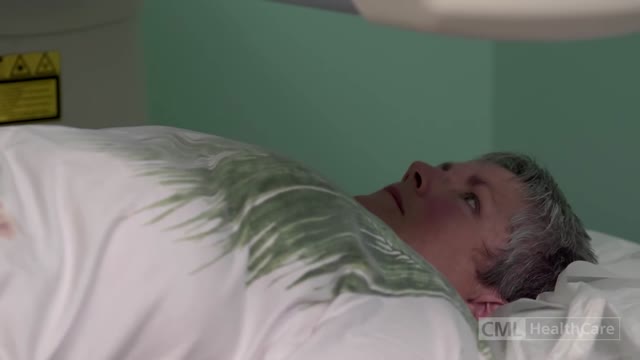
How to prepare for your bone density scan
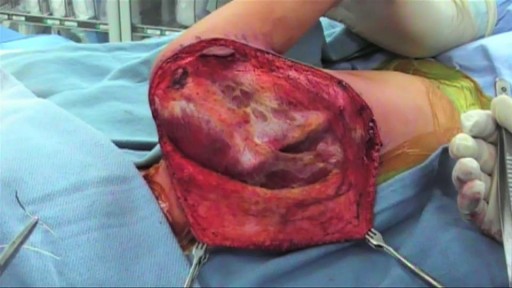
Ewing's sarcoma typically occurs in children and young adults. It often begins in the legs, bones of the pelvis, and arms. Bone pain, localized swelling, and tenderness are symptoms. In rare cases bone fractures may also be found. Treatments include chemotherapy, surgery, and radiation.
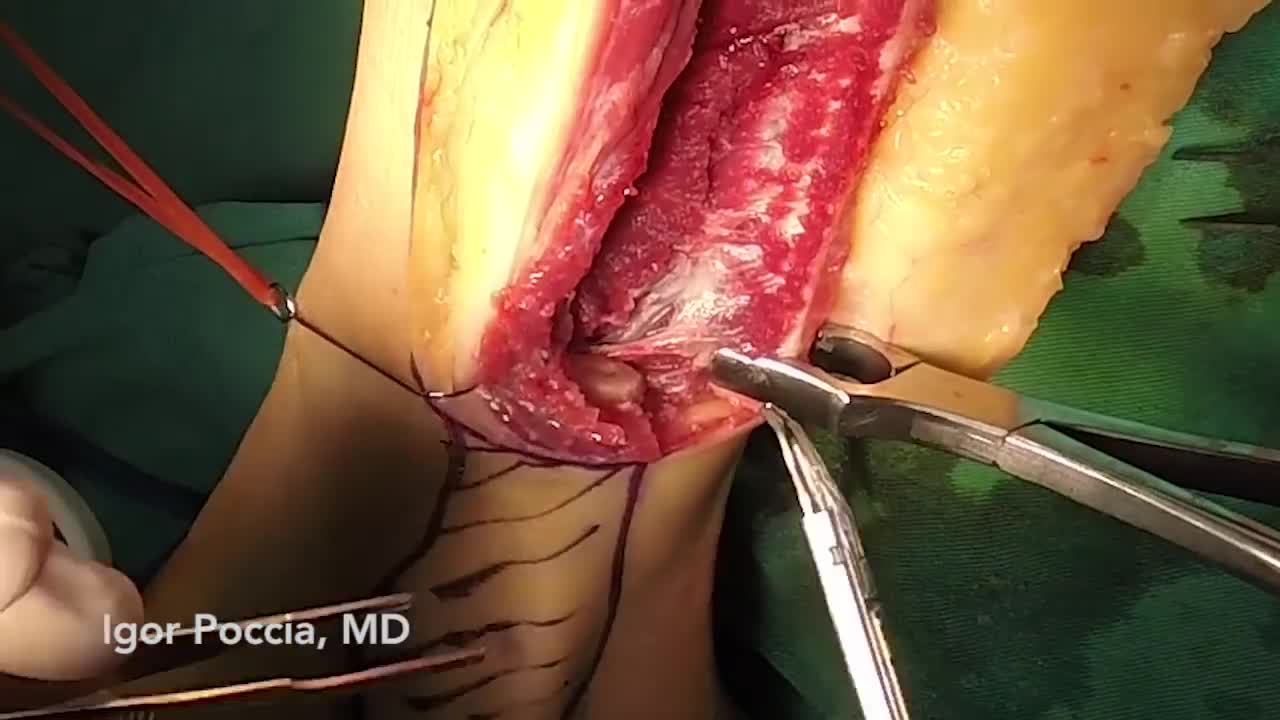
Both lower extremities must be evaluated to determine the presence or extent of any disease and to ascertain the pulse status of the patient. The feet are examined for signs of peripheral vascular disease and the anterior and posterior tibial pulses are palpated. Because an intact arch can supply retrograde flow to the major vessels of the foot, it can be helpful to put pressure on the anterior tibial artery when detecting the presence of a posterior tibial pulse and visa-versa. This "modified Allen's test" may detect proximal vessel obstruction masked by an intact foot arch. The need for preoperative angiography in young, healthy patients with a normal physical examination has been hotly debated. Our tendency has been to obtain preoperative angiograms as a guide. Although rare, we have seen lower extremities with a dominant peroneal artery nourishing the foot and distal anterior and posterior vessels, contraindicating sacrifice of the peroneal artery. MRI or CT angiography can also be used in many circumstances.

Goiter treatment depends on the size of the goiter, your signs and symptoms, and the underlying cause. Your doctor may recommend: Observation. If your goiter is small and doesn't cause problems, and your thyroid is functioning normally, your doctor may suggest a wait-and-see approach. Medications. If you have hypothyroidism, thyroid hormone replacement with levothyroxine (Levoxyl, Synthroid, Tirosint) will resolve the symptoms of hypothyroidism as well as slow the release of thyroid-stimulating hormone from your pituitary gland, often decreasing the size of the goiter. For inflammation of your thyroid gland, your doctor may suggest aspirin or a corticosteroid medication to treat the inflammation. For goiters associated with hyperthyroidism, you may need medications to normalize hormone levels. Surgery. Removing all or part of your thyroid gland (total or partial thyroidectomy) is an option if you have a large goiter that is uncomfortable or causes difficulty breathing or swallowing, or in some cases, if you have a nodular goiter causing hyperthyroidism.
Heart Valves
