
- Physical Examination
- Surgical Examination
- Ophthalmology
- Clinical Skills
- Orthopedics
- Surgery Videos
- Laparoscopy
- Pediatrics
- Funny Videos
- Cardiothoracic Surgery
- Nursing Videos
- Plastic Surgery
- Otorhinolaryngology
- Histology and Histopathology
- Neurosurgery
- Dermatology
- Pediatric Surgery
- Urology
- Dentistry
- Oncology and Cancers
- Anatomy Videos
- Health and Fitness
- Radiology
- Anaesthesia
- Physical Therapy
- Pharmacology
- Interventional Radiology
- Cardiology
- Endocrinology
- Gynecology
- Emergency Medicine
- Psychiatry and Psychology
- Childbirth Videos
- General Medical Videos
- Nephrology
- Physiology
- Diet and Food Health
- Diabetes Mellitus
- Neurology
- Women Health
- Osteoporosis
- Gastroenterology
- Pulmonology
- Hematology
- Rheumatology
- Toxicology
- Nuclear Medicine
- Infectious Diseases
- Vascular Disease
- Reproductive Health
- Burns and Wound Healing
- Other
Top videos

Teeth whitening fit for a beauty queen! Miss. Harris County Teen Angela H. just completed a ZOOM! whitening.

Vaccination is now mandatory in Italy.
This video was taken 4 days after the surgery. This Patient had a facial rejuvenation procedure performed by Dr. Handal. He was exceptionally pleased with the results. Contact us for a consultation on how our team can help you to look better, (561) 912-9888. https://www.handalplasticsurgery.com
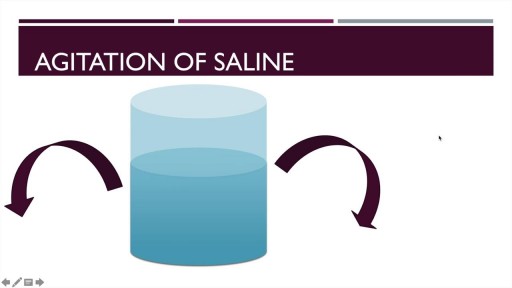
A detailed description of the Hepato-pulmonary syndrome including its definition, pathophysiology, diagnosis and treatment. The pathophysiology includes nitric oxide in the pulmonary vasculature which results in intrapulmonary vasodilatation. This causes the classical and unique symptom of platypnea and orthodeoxia.
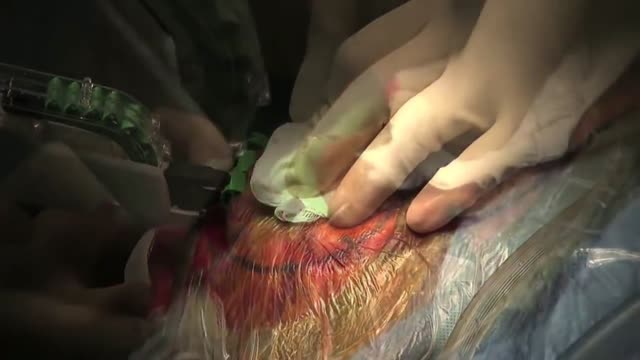
Surgery is an alternative for some people whose seizures cannot be controlled by medications. It has been used for more than a century, but its use dramatically increased in the 1980s and 90s, reflecting its effectiveness as an alternative to seizure medicines. The benefits of surgery should be weighed carefully against its risks, however, because there is no guarantee that it will be successful in controlling seizures. People with partial epilepsy who are considered for surgery have difficult-to-control seizures that have not responded to aggressive treatment with medication. In the past, patients usually tried several medications with poor results for many years, even decades, before being considered for surgery. More recently, surgery is being considered sooner. Studies have shown that the earlier surgery is performed, the better the outcome. Surgery is now being performed on some people whose seizures have been uncontrolled for only 1 or 2 years. At least two single drugs and a combination of two or more drugs should be tried before surgery is considered. Epilepsy surgery can be especially helpful to people who have seizures from structural brain problems (such as benign brain tumors, strokes or malformations of blood vessels).

Find Out More at https://medwayhealthcare.com/
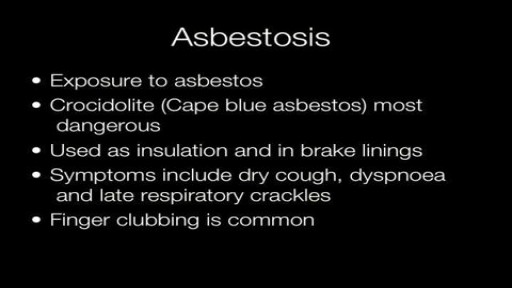
The most common symptoms of pneumoconiosis are cough and shortness of breath. The risk is generally higher when people have been exposed to mineral dusts in high concentrations and/or for long periods of time. Inadequate or inconsistent use of personal protective equipment (PPE) such as respirators (specially fitted protective masks) is another risk factor since preventing dusts from being inhaled will also prevent pneumoconiosis. Pneumoconiosis does not generally occur from environmental (non-workplace) exposures since dust levels in the environment are much lower.
This video goes through a case study of a 40 year old patient getting breast reduction surgery in NYC by board certified plastic surgeon Carlin Vickery of 5th Avenue Surgery located in New York, NY. For more information on this procedure please call our office at (212) 288-9800. This content is intended for general information only and does not replace the need for personal advice from a qualified health professional.

Heart And Stroke, Good Health, Heart Attack And Stroke, Ways To Be Healthy, Tips On Healthy Living.-- http://grow-younger-blood.good-info.co -- Clicking the link below, you'll learn three easy exercises so effective that even if you have suffered from life-threatening hypertension for years, you can bring it down to 120/80 – as soon as TODAY! Plus, they take very little time – just 9 minutes. Lowering high blood pressure helps prevent… - stroke - heart attack - kidney failure - impotence …just to name a few conditions – caused by high blood pressure – you will avoid using these exercises! Bringing your blood pressure below 120/80 eliminates any need for blood pressure medications – so you’ll never have to suffer the horrendous side effects again. Every single brand of blood pressure drug creates serious side effects. The sad fact is, so do herbal medications. And the cost of buying pills these days is horrendous. The Solution Is Simple! Try these easy exercises now and naturally drop your blood pressure as soon as today. There are NO side effects and NO extra medical costs. To learn more and test the exercises for yourself, click here... http://grow-younger-blood.good-info.co

The brain is the most complex organ in our body. It controls everything we do, from simple things such as breathing, to complex things such as co-ordinating our movements. The brain stores our memories, allows us to think and speak, and controls how we behave
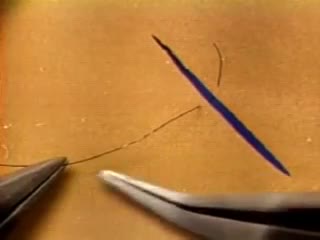
The needle should pass through the tissue at a perpendiculaPlace the tips of the left-hand forceps on the underside of the tissue at the point where the needle will enter, and gently push the edge upward. With the right hand, bring the needle into contact with the tissue, and press downward. These movements create eversion. Pass the needle through. Do not grab the tissue with your left hand forceps since it will damage the intima. If needed, you can pick up adventitia or a nearby suture to help with exposure and eversion. r.The needle must pass through the other side at a perpendicular, too. Bring the tip of the needle to the place where you intend to bring it out on the other side. Put the tip of your left-hand forceps on the upper surface of the tissue at the intended exit point. Press down with the left-hand forceps and push up with the needle to give you the correct eversion. The width of the bite should be about three times the thickness of the needle. The bites on both sides must be equal, and the needle should cross exactly in a straight line (not diagonally). Pull the needle through the tissue following the curve of the needle
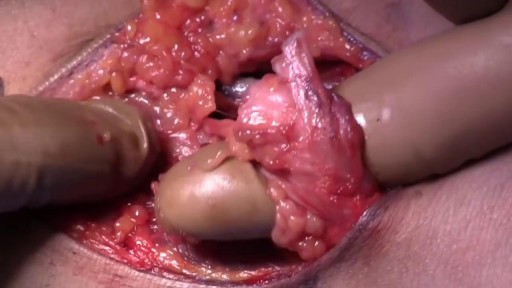
The biceps muscle is located in the front of your upper arm. It is attached to the bones of the shoulder and elbow by tendons — strong cords of fibrous tissue that attach muscles to bones. Tears of the biceps tendon at the elbow are uncommon. They are most often caused by a sudden injury and tend to result in greater arm weakness than injuries to the biceps tendon at the shoulder. Once torn, the biceps tendon at the elbow will not grow back to the bone and heal. Other arm muscles make it possible to bend the elbow fairly well without the biceps tendon. However, they cannot fulfill all the functions of the elbow, especially the motion of rotating the forearm from palm down to palm up. This motion is called supination. To return arm strength to near normal levels, surgery to repair the torn tendon is usually recommended. However, nonsurgical treatment is a reasonable option for patients who may not require full arm function.
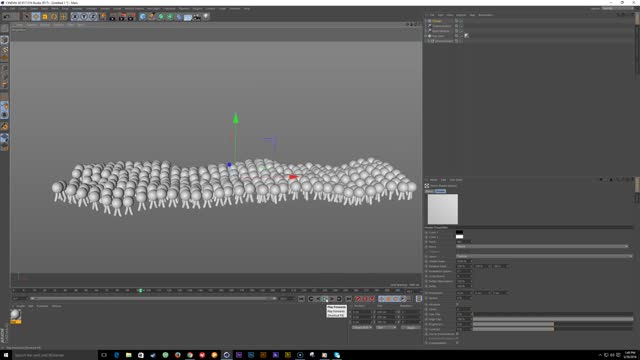
The cell membrane is selectively permeable to ions and organic molecules and controls the movement of substances in and out of cells. The basic function of the cell membrane is to protect the cell from its surroundings. It consists of the phospholipid bilayer with embedded proteins.
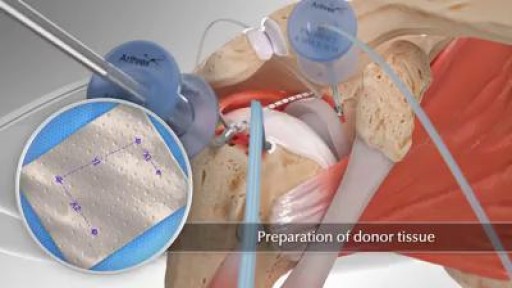
Superior capsule reconstruction (SCR) is a promising alternative treatment for irreparable posterosuperior rotator cuff tears (Figure 1). It utilizes a graft from the superior glenoid to the greater tuberosity to stabilize the humeral head. In a study by Mihata and colleagues of 23 patients who underwent SCR with a fascia lata autograft at a minimum of 2 years follow-up, the American Shoulder and Elbow Surgeons (ASES) score improved significantly from 23.5 preoperatively to 92.9. Postoperative MRI showed 83% of patients had intact reconstructions with no progression of muscle atrophy.
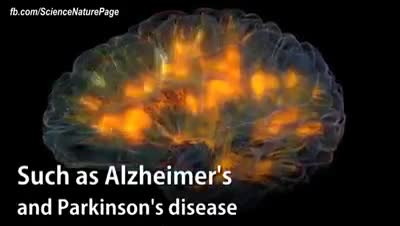
Researchers have received approval to bring 20 brain-dead humans back to life.
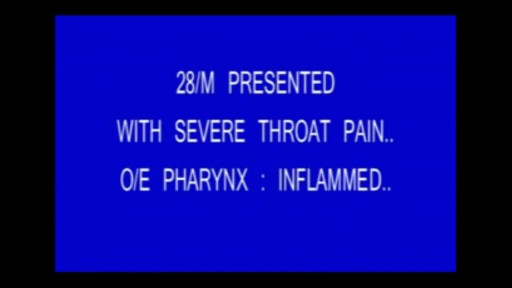
Pharyngitis is caused by swelling in the back of the throat (pharynx) between the tonsils and the voice box (larynx). Most sore throats are caused by colds, the flu, coxsackie virus or mono (mononucleosis). Bacteria that can cause pharyngitis in some cases: Strep throat is caused by group A streptococcus.
Hidradenitis Suppurativa Surgery, Hidradenitis Suppurativa Photos, Hidradenitis Suppurativa Nz. http://hidradenitis-suppurativa-cure.good-info.co --- symptoms of hidradenitis suppurativa: First let us look at the symptoms of the disease Black heads: When they appear in a double barreled pattern Red bumps: When tender lesions, or bumps, which often contain pus and/or itching. Hard, painful lumps: When pea sized lumps cause pain and get inflamed These recur very often Don’t heal or improve for weeks Returns after treatment Appears in several different locations The lumps are accompanied by pain I am going to reveal to you step by step how to understand and deal with the problems of hidradenitis suppurativa. click here http://hidradenitis-suppurativa-cure.good-info.co
If you could stand in someone else's shoes...Hear what they hear See what they see Feel what they fell Would you treat them differently?
Pyogenic liver abscess Email this page to a friend Email this page to a friend Facebook Twitter Google+ Pyogenic liver abscess is a pus-filled area in the liver. Causes There are many potential causes of liver abscesses, including: Abdominal infection, such as appendicitis, diverticulitis, or a perforated bowel Infection in the blood Infection of the bile draining tubes Recent endoscopy of the bile draining tubes Trauma that damages the liver The most common bacteria that cause liver abscesses are: Escherichia coli Bacteroides Enterococcus Klebsiella pneumoniae Staphylococcus aureus Streptococcus In most cases, more than one type of bacteria is found.
Thoracic outlet syndrome is a disorders that occur when blood vessels or nerves in the space between your collarbone and your first rib (thoracic outlet) are compressed. This can cause pain in your shoulders and neck and numbness in your fingers. Common causes of thoracic outlet syndrome include physical trauma from a car accident, repetitive injuries from job- or sports-related activities, certain anatomical defects (such as having an extra rib), and pregnancy. Sometimes doctors can't determine the cause of thoracic outlet syndrome. Treatment for thoracic outlet syndrome usually involves physical therapy and pain relief measures. Most people improve with these approaches. In some cases, however, your doctor may recommend surgery.
