
Top videos
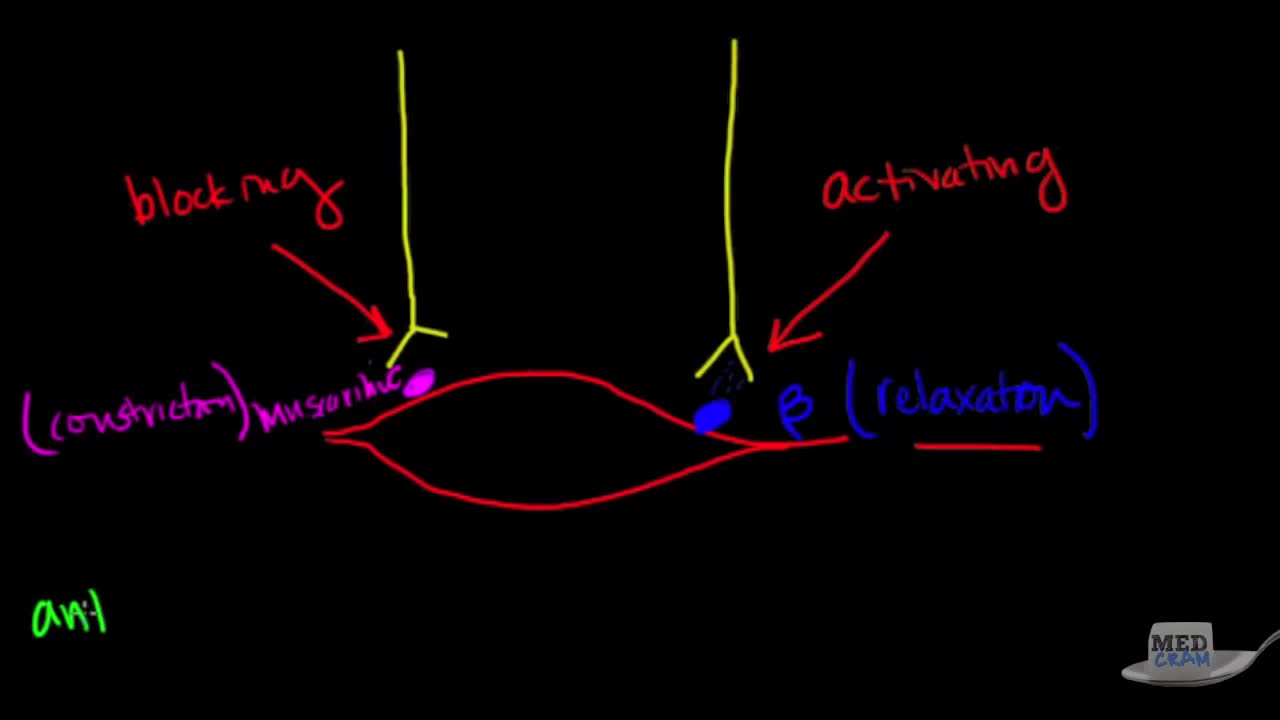

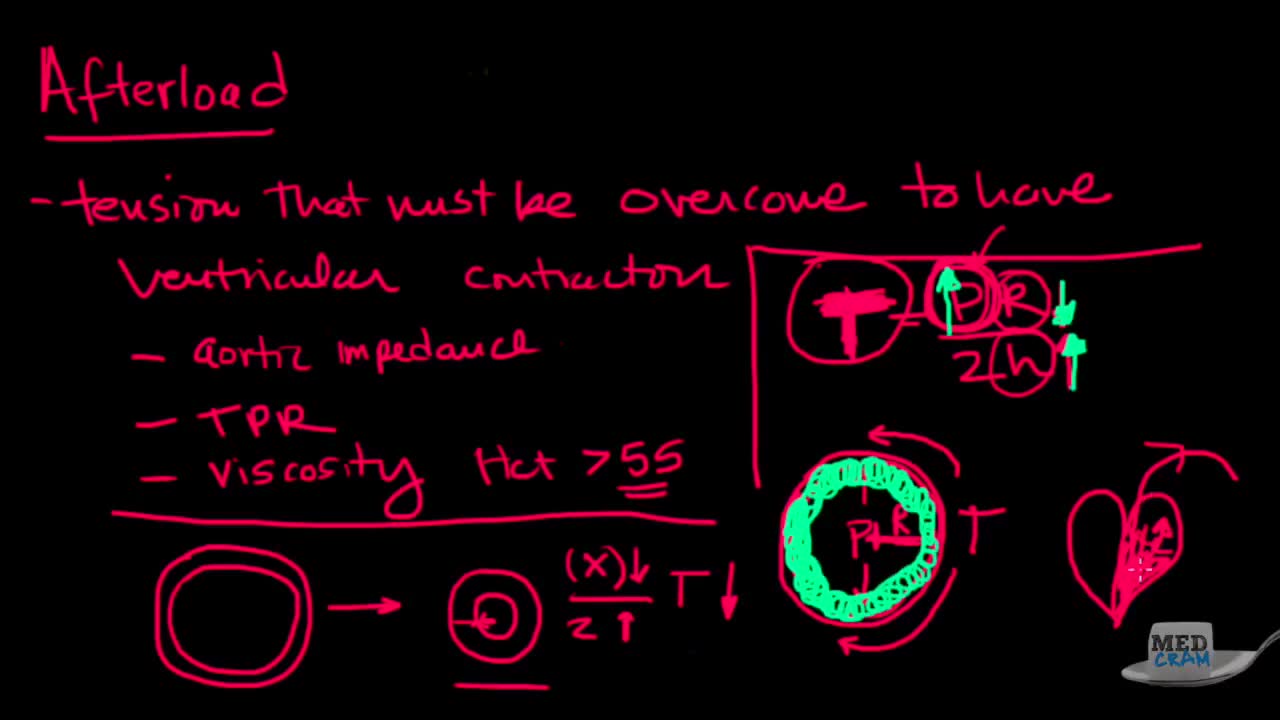
Includes discussion on asthma pathophysiology, signs and symptoms of asthma, diagnosis, triggers (GERD, post nasal drip, down feathers, etc.), flow volume loops, samter's triad, and more. This is video 1 of 2 on asthma and treatment.
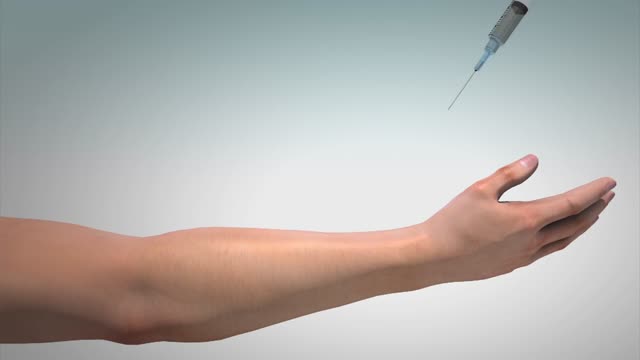
Craft man’s new ear from rib cartilage and the skin on his forearm

In these times when there are uncountable online pharmacies being recognized, mynetpharma.com stands out as one of the best.The drug catalogue of this web pharmacy has medicines to treat a range of health issues ranging from medicines to treat obesity, alopecia, allergy, bacterial infections, pain etc. Mynetpharma(http://www.mynetpharma.com) provide a range of top quality medicines to their customers who are based in different parts of the world to help them overcome their health problems.
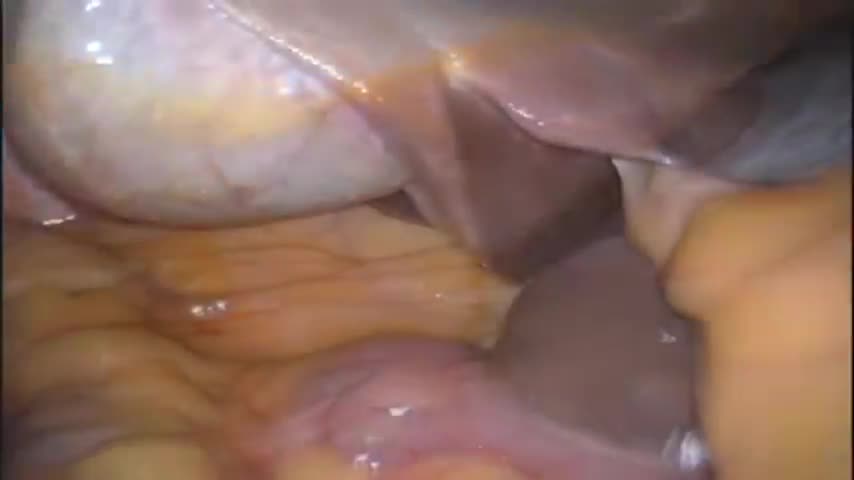
Cholecystectomy without General Anesthesia video

http://remodela-o-seu-corpo.good-info.co Posturas De Yoga, Alimentos Para Perder Barriga, Yoga Emagrece, Yoga Principiantes, Bhakti Yoga. Melhor Exercício de Yoga para Definir o Abdômen Tenho sempre recebendo perguntas sobre qual exercício fazer para fortalecer o núcleo abdominal e assim deixar a barriga mais plana. Na verdade, a construção de um "abdômen definido" é provavelmente o mais cobiçado objetivo físico para homens e mulheres. Vou te mostrar como fortalecer o seu abdômen com um simples exercício de Yoga, e assim ajudar você a ter aquela barriguinha lisa. Fortalecendo o seu abdômen com algumas rodadas da posição de barco! A prática regular de posição de barco, vai ajudá-la a desenvolver fortes músculos abdominais, bem como melhorar a função do seu sistema digestivo. Além disso, a força central que você irá construir aqui é transferida para qualquer outra atividade que você fizer. Mantenha estas dicas em mente ao praticar a Posição Barco: Comece na posição Shavasana (posição base supino) Respire e contraia o abdômen Simultaneamente levante os ombros e as pernas em uma distância igual afastando do chão (cerca de 15 cm) Seus braços e dedos dos pés devem estar em alinhamento Respire naturalmente por algumas respirações e solte a pose expirando e baixando lentamente o seu corpo para a posição inicial Repita 10-20 vezes Faça algumas respirações abdominais profundas entre cada repetição para relaxar os músculos abdominais Quando realizada na parte da manhã, essa rotina simples vai energizar o seu corpo inteiro, preparando-a para o dia seguinte. E não importa quando você irá executá-lo, mas ele irá fortalecer e esculpir o seu abdômen e deixar a sua barriga lisa e deslumbrante! Tenha Um Corpo Mais Sexy! sem exercícios, sem aeróbica e sem ter que ir a academia! clicando aqui http://como-perder-gordura-abdominal.blogspot.com/
Multiple sclerosis (MS) involves an immune-mediated process in which an abnormal response of the body’s immune system is directed against the central nervous system (CNS). The CNS is made up of the brain, spinal cord and optic nerves.

Dysentery is an infection of the intestines causing diarrhoea that contains blood or mucus. There are two main types of dysentery: Shigellosis, or bacillary dysentery, is the most common type experienced in the UK, caused by the shigella bacteria. Amoebic dysentery, also called amoebiasis, is caused by a single-celled parasite called Entamoeba histolytica. This form of dysentery is more common abroad in tropical countries. This article focuses on amoebic dysentery, This is usually caused by poor hygiene or contaminated food or water. Amoebic dysentery is a notifiable disease, so your GP must let the local health authority know if you have contracted it. Causes of amoebic dysentery Once inside the body, amoeba clump together to form a cyst that is protected by the stomach’s digestive acid. When the cyst passes through the intestines it breaks open infecting the body. The amoebae burrow into the intestinal wall and cause small ulcers or abscesses. Cysts exit the body via faeces but are still able to live outside, which is how many people become infected. Severe dysentery is more common in developing countries due to compromised hygiene. You can get sick in a number of ways including: Eating contaminated food Drinking contaminated water Contracting dysentery from another infected person. Symptoms of amoebic dysentery Symptoms can appear as many as 10 days after exposure and infection by the parasite. Signs of infection include: Watery diarrhoea with blood or pus in it Nausea or vomiting Stomach pain High temperature Chills Bleeding from back passage (rectum) Weight loss Loss of appetite. Complications of amoebic dysentery If the parasite gets into your bloodstream it can spread to other parts of your body, including the liver. When this happens you run the risk of developing a liver abscess. Symptoms include: High temperature Weakness Cough Jaundice Nausea Loss of appetite Weight loss
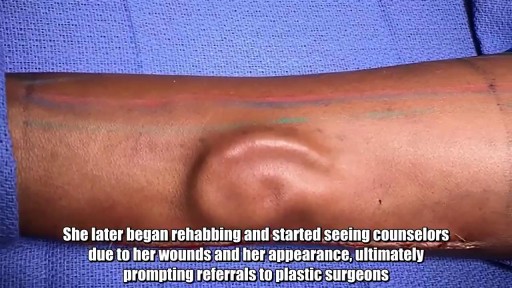
Shamika Burrage survived a near-fatal car accident two years ago, but not without losing something pretty important: her left ear. Now, thanks to a novel procedure performed at an Army medical center in Texas, Burrage is getting that ear back in a most unusual way. Plastic surgeons harvested cartilage from Burrage's ribs to create a new ear and then grew it under the skin of her forearm. Then the doctors at William Beaumont Army Medical Center in El Paso successfully transplanted the ear from her arm to her head. The technique -- a first time in the Army -- is called prelaminated forearm free flap, said Lt. Col. Owen Johnson III, chief of plastic and reconstructive surgery at William Beaumont Army Medical Center. Some of the big advantages of it is that it reduced the chance of more scarring around Burrage's ear. Also, growing the ear under the skin of her forearm allows new blood vessels to form. "(The ear) will have fresh arteries, fresh veins and even a fresh nerve so she'll be able to feel it," Johnson said on the US Army's website. Burrage, a 21-year-old private, still has to endure two more surgeries, but she's feeling more optimistic about the future than ever in the years since her accident. "It's been a long process for everything, but I'm back," said Burrage.

http://www.5thavesurgery.com
Leading NYC plastic surgeon, Dr. Carlin Vickery of 5th Avenue Millennium Aesthetic Surgery explains all of the steps that should go into choosing the right plastic surgeon. For more information, here are some more videos from Dr. Vickery.

Celebrity hair stylist Michael DeMarse of Houston, TX shares his experience with us. Michael has been a loyal patient of Dr. Jue for a long time! Call us for a free consultation at (281) 277-9200 or visit https://www.sugarlanddentalspa.com/
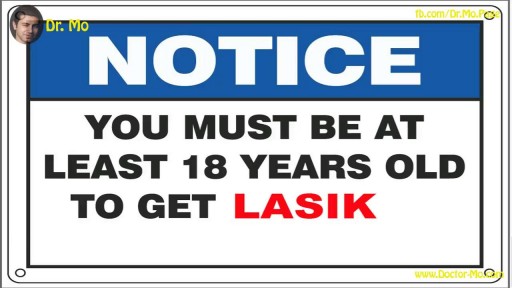
The famous question: Can I get LASIK surgery to correct my vision?
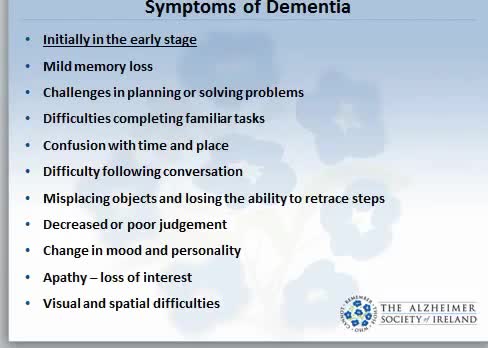
Dementia is not a specific disease. It's an overall term that describes a wide range of symptoms associated with a decline in memory or other thinking skills severe enough to reduce a person's ability to perform everyday activities. Alzheimer's disease accounts for 60 to 80 percent of cases. Vascular dementia, which occurs after a stroke, is the second most common dementia type. But there are many other conditions that can cause symptoms of dementia, including some that are reversible, such as thyroid problems and vitamin deficiencies.
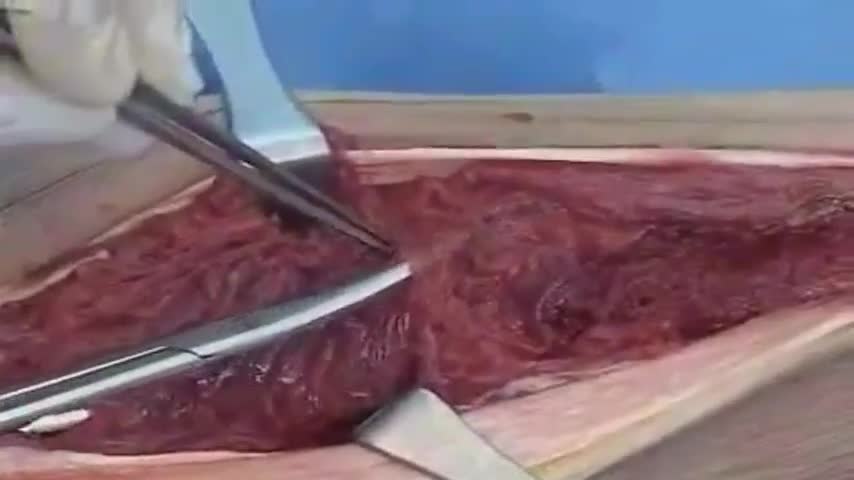
Our results in this study of MIPO treated with conventional plates are comparable to the results of the femoral shaft fractures treated with intramedullary nailing. The technique can be used for all femoral shaft fractures. Although the biomechanics of the plate fixation are less stable compared to the intamedullary nail, the mechanical stability is stable enough for bone healing. Healing was rapid, and postoperative care was simplified. The two major complications were malalignment and screw breakage. We recommend using at least three separated screws in each fragment to prevent stress on the screw and screw breakage. Intraoperative limb length, axial alignment, and rotation must be carefully assessed to prevent malalignment. The limitations of our study include lack of a comparison group, retrospective data collection, and no randomisation in outcome evaluation
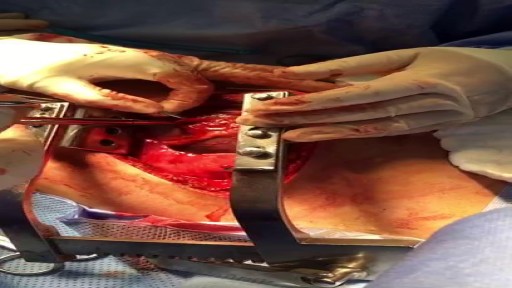
30 yr old man presented to ER after Motor Vehicle Crash..blunt chest trauma...
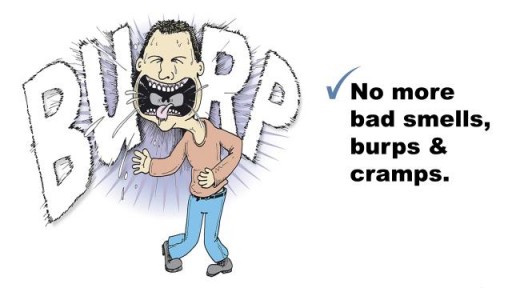
Bloating And Gas, Flatulence Remedy Ginger, Get Rid Of Gas And Bloating, Involuntary Flatulence--- http://flatulence-cure.plus101.com --- 7 tips on Flatulence Treatment and help you get rid of flatulence forever. 1. Flatulence is such a broad term, with so many connected and side issues, that it is rather short sighted to refer to it simply as "farting" - which so many people do. Certainly, the breaking of wind is the key identifier for flatulence. However, to merely concentrate on the noise and the smell of flatulence is to miss out on the important facts that govern its causes, its symptoms and its remedies. Picking the right flatulence treatment means needing to concentrate on the type of flatulence you have, the health issues surrounding it and the general health situation of the sufferer. 2. Be Realistic in Your Flatulence Treatment If the definition of flatulence was simply that you had wind a few times a day and occasionally broke wind in embarrassing situations, then flatulence treatment really would not be that much of a priority. However, the truth of the matter is that excessive flatulence will affect more than just social situations. It is thankfully uncommon enough to suffer from painful stomach flatulence, but that is not to say that it is something you should ever ignore. Your digestive system is vitally important for your health, and if problems arise then they need to be addressed with the right flatulence treatment. 3. When you are suffering from flatulence problems, you need to identify why it is a problem and what the problem can be traced back to. We all have flatulence every so often, most of us having wind at least once a day and usually more often. Getting rid of the gases that our system generates when digesting food is essential, as is finding a kind flatulence treatment - otherwise we would soon become quite unwell. It is how often you release those gases and how they are released that matters more than anything. The last thing you want is to have occasional, sporadic flatulence that hurts, smells foul or is particularly audible. 4. Gas is a by-product of digestion, and if you are not breaking wind at all then there is probably a problem. Excessive flatulence means that you are producing too much gas when digesting food, and means that your digestive system is not functioning as it should be. 5. Painful flatulence occurs when you are digesting the food badly, because the stomach is failing to break it down as smoothly as it should. It is not that uncommon to feel, perhaps, a little bit of burning flatulence - this can happen after too much spicy food - but if it is becoming the norm then it is something that needs to be addressed with the right flatulence treatments. 6. Keep A Note For Best Flatulence Treatment Results 7. By identifying which foods are connected with which problems, you can begin the right flatulence treatment. It is better to do this, and deal with the problem before it grows rather than trying to cure a bigger problem. Would you like to cure your gas problems and bloating today! Then you need to see this website below: http://flatulence-cure.plus101.com
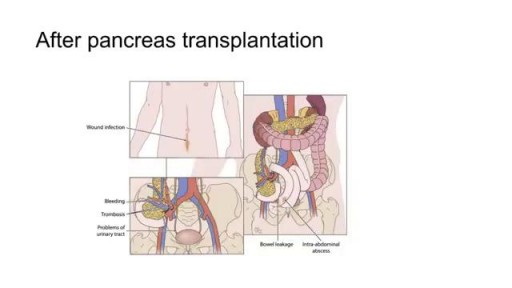
Kidney transplant surgery carries a risk of significant complications, including: Blood clots Bleeding Leaking from or blockage of the tube (ureter) that links the kidney to the bladder Infection Failure of the donated kidney Rejection of the donated kidney An infection or cancer that can be transmitted with the donated kidney Death, heart attack and stroke
Heart failure can be ongoing (chronic), or your condition may start suddenly (acute). Heart failure signs and symptoms may include: Shortness of breath (dyspnea) when you exert yourself or when you lie down Fatigue and weakness Swelling (edema) in your legs, ankles and feet Rapid or irregular heartbeat Reduced ability to exercise Persistent cough or wheezing with white or pink blood-tinged phlegm Increased need to urinate at night Swelling of your abdomen (ascites) Sudden weight gain from fluid retention Lack of appetite and nausea Difficulty concentrating or decreased alertness Sudden, severe shortness of breath and coughing up pink, foamy mucus Chest pain if your heart failure is caused by a heart attack

Diabetic Foot Care, Diabetes Care Toronto
