
- Physical Examination
- Surgical Examination
- Ophthalmology
- Clinical Skills
- Orthopedics
- Surgery Videos
- Laparoscopy
- Pediatrics
- Funny Videos
- Cardiothoracic Surgery
- Nursing Videos
- Plastic Surgery
- Otorhinolaryngology
- Histology and Histopathology
- Neurosurgery
- Dermatology
- Pediatric Surgery
- Urology
- Dentistry
- Oncology and Cancers
- Anatomy Videos
- Health and Fitness
- Radiology
- Anaesthesia
- Physical Therapy
- Pharmacology
- Interventional Radiology
- Cardiology
- Endocrinology
- Gynecology
- Emergency Medicine
- Psychiatry and Psychology
- Childbirth Videos
- General Medical Videos
- Nephrology
- Physiology
- Diet and Food Health
- Diabetes Mellitus
- Neurology
- Women Health
- Osteoporosis
- Gastroenterology
- Pulmonology
- Hematology
- Rheumatology
- Toxicology
- Nuclear Medicine
- Infectious Diseases
- Vascular Disease
- Reproductive Health
- Burns and Wound Healing
- Kidney Zone Podcast
- Other

















Intravenous Injection

Educational only: videos on MedicalVideos.com are for general information and are not medical advice. Always consult your own doctor about your health.
A video teaching how to give an intravenous injection
This video in 30 seconds
A public-health narration on safe injection practices, in the style of a CDC training video. It explains how hepatitis B and C outbreaks have been traced to reused syringes, contaminated medication vials and shared IV bags, and sets out the standard precautions intended to keep injections, vaccines and IV medications safe. Despite the title, the video teaches infection prevention rather than the mechanics of giving an injection.
Key points
- The narration links hepatitis outbreaks in care settings to failures in infection prevention
- Safe injection practices are described as part of CDC standard precautions
- Indirect transmission through contaminated equipment and medication vials is explained
- Unsafe practices listed include reusing syringes and sharing IV fluid bags between patients
- Preparing or storing medications in patient treatment areas is identified as a contamination risk
Chapters
- 0:25 — Outbreaks from unsafe injections
- 1:50 — How indirect transmission occurs
- 2:33 — Unsafe practices that spread infection
- 3:16 — Other infection prevention breaches
Key Steps — Safe injection practices
This video is a patient-safety presentation on preventing infections from unsafe injections, in the style of CDC guidance. Its key points are listed as a checklist.
- Use a new sterile needle and a new sterile syringe for every injection, for every patient — no exceptions.
- Never use the same syringe to give medication to more than one patient, even if the needle is changed.
- Never re-enter a medication vial with a syringe or needle that has already been used on a patient.
- Use single-dose vials for one patient only; dedicate multi-dose vials to a single patient whenever possible.
- Do not use one bag of IV fluid as a common supply for multiple patients, and never flush lines from a shared bag with a used syringe.
- Prepare injections in a clean area, away from used equipment and sharps disposal.
- Draw up injections immediately before use rather than prefilling syringes in advance.
- Practise hand hygiene and aseptic technique at every step — unsafe injections have caused outbreaks of hepatitis B, hepatitis C and bacterial infection.
Download the printable Key Steps checklist (PDF)
Steps summarise this demonstration for education. Always follow your institution's protocol. More IV Therapy & Vascular Access skills →
Video Transcript
A public-health narration on safe injection practices, in the style of a CDC training video. It explains how hepatitis B and C outbreaks have been traced to reused syringes, contaminated medication vials and shared IV bags, and sets out the standard precautions for giving injections, vaccines and IV medications safely. Despite the title, it teaches infection prevention rather than the mechanics of an injection.
Read the full transcript
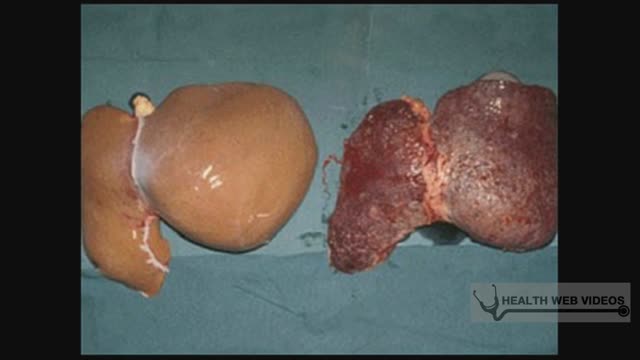
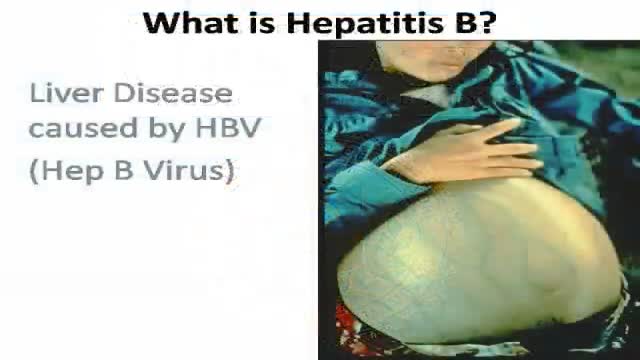
In the past decade alone, dozens of outbreaks of hepatitis B and hepatitis C have occurred in health care settings outside of hospitals, resulting in the exposure of thousands of patients to potentially deadly viral diseases. The culprit? Failure by health care providers to follow basic infection prevention and control procedures. In fact, adherence to safe injection practices can actually prevent outbreaks and spread of disease. These measures, now part of standard precautions, are recommendations by the CDC to ensure that patients receive injections in a safe manner. When performed properly, safe injection practices reduce the risk to patients and health care workers of transmitting blood-borne pathogens,
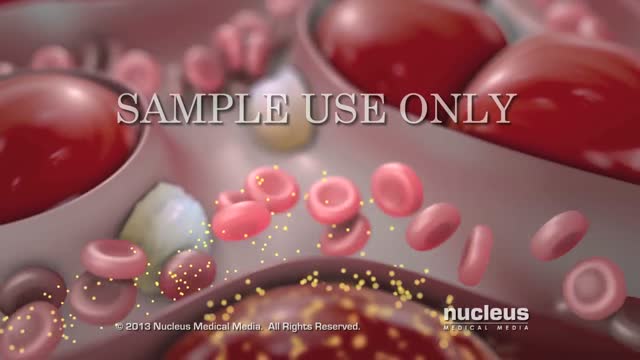
such as hepatitis B virus, hepatitis C virus and HIV, as well as bacterial and fungal infections. Transmission can occur during the administration of anesthetics in surgical, pain management and diagnostic procedures, whenever flushing IV lines or catheters, during the administration of other IV medications such as chemotherapy and alternative medicines, or the administration of intramuscular vaccines. The spread of blood-borne infections from unsafe injection practices is an example of indirect contact transmission. Indirect transmission begins with an infectious patient or source and involves the transfer of an infectious agent through a contaminated intermediate object to a susceptible patient.
Transfer of these infectious agents through indirect contact transmission can occur from the hands of health care professionals, patient care devices such as glucometers, instruments such as endoscopes that are not adequately reprocessed, and from injection equipment such as a syringe, needle or medication vial. Unsafe practices that have contributed to the transmission of pathogens and should never occur include using the same syringe to administer medication to more than one patient, even if the needle was changed, using the same needle to administer medication to more than one patient, contaminating a medication vial by accessing the vial with a syringe already used to administer medication to a patient,
using a common bag of saline or other IV fluid for more than one patient, accessing the bag with a syringe already used to flush an IV or catheter, and leaving an IV set in place for dispensing fluid to multiple patients. Another possible breach in infection prevention is prefilling syringes in advance rather than right before use, which can lead to bacterial contamination and growth. Transmission can also occur if medications are stored and prepared in the same workspace where used needles and syringes are dismantled and discarded or injections are administered, allowing for the potential of cross-contamination.
Transcript auto-generated from the video’s audio for accessibility and study. Educational content only — not medical advice.
Video Overview
From our Clinical Skills collection: Suturing, injections, catheterization, IV insertion and OSCE-style examination techniques demonstrated step by step. Browse all Clinical Skills videos →
Medical Videos
Free medical and surgery videos for patients, students and professionals — trusted since 2007.
Founded by Dr. Mohamed Ibrahim, MD, PhD — physician-scientist.
Follow us on Facebook · Instagram
SORT BY-
Top Comments
-
Latest comments