
- Physical Examination
- Surgical Examination
- Ophthalmology
- Clinical Skills
- Orthopedics
- Surgery Videos
- Laparoscopy
- Pediatrics
- Funny Videos
- Cardiothoracic Surgery
- Nursing Videos
- Plastic Surgery
- Otorhinolaryngology
- Histology and Histopathology
- Neurosurgery
- Dermatology
- Pediatric Surgery
- Urology
- Dentistry
- Oncology and Cancers
- Anatomy Videos
- Health and Fitness
- Radiology
- Anaesthesia
- Physical Therapy
- Pharmacology
- Interventional Radiology
- Cardiology
- Endocrinology
- Gynecology
- Emergency Medicine
- Psychiatry and Psychology
- Childbirth Videos
- General Medical Videos
- Nephrology
- Physiology
- Diet and Food Health
- Diabetes Mellitus
- Neurology
- Women Health
- Osteoporosis
- Gastroenterology
- Pulmonology
- Hematology
- Rheumatology
- Toxicology
- Nuclear Medicine
- Infectious Diseases
- Vascular Disease
- Reproductive Health
- Burns and Wound Healing
- Kidney Zone Podcast
- Other
Allergic Rhinitis (Hay Fever)
Allergic rhinitis is inflammation inside the nose caused by an allergic reaction to things like pollen, dust mites, or animal dander. Seasonal allergic rhinitis is widely known as hay fever. This page explains symptoms, triggers, and treatment in plain language.
✓ Medically reviewed by Dr. Mohamed Ibrahim, MD, PhD — physician-scientist · Last reviewed: November 2026
In short: In allergic rhinitis, the immune system overreacts to harmless airborne substances, causing sneezing, itching, and a runny or blocked nose. It is not an infection and is not contagious. Management combines avoiding triggers where practical, nasal treatments, and antihistamines when needed.
Watch: Allergic Rhinitis (Hay Fever) videos




Read: the plain-language guide
Overview
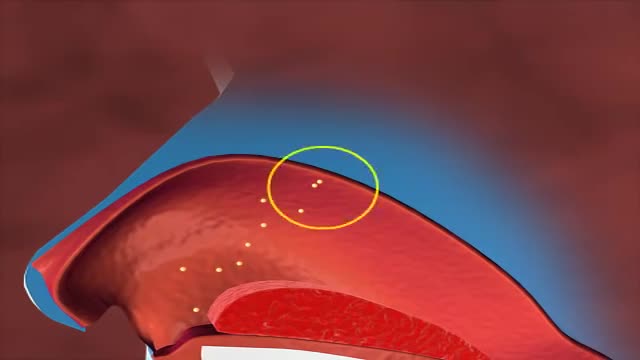
Allergic rhinitis happens when the lining of the nose becomes inflamed after breathing in an allergen. The immune system treats the allergen as a threat and releases histamine and other chemicals, producing allergy symptoms within minutes. Rhinitis is called seasonal when triggered by pollens at certain times of year, and perennial when caused by year-round exposures such as dust mites. It often runs in families alongside asthma and eczema.
Symptoms
Common symptoms include repeated sneezing, an itchy, runny, or blocked nose, and itchy or watery eyes. Some people have an itchy throat or ears, reduced sense of smell, snoring, and tiredness from disturbed sleep. Unlike a cold, allergic rhinitis does not cause fever, and symptoms continue as long as exposure lasts. Symptoms can affect concentration, school, and work, especially during high pollen periods for seasonal sufferers.
Causes & risk factors
Triggers include grass, tree, and weed pollens, house dust mites, mold spores, and dander from cats, dogs, and other animals. Occupational exposures, such as flour dust or animal proteins at work, cause rhinitis in some jobs. The tendency to develop allergies is inherited, and having eczema or asthma raises the likelihood. Air pollution and tobacco smoke do not cause the allergy but can worsen nasal symptoms.
How it's diagnosed
A clinician usually diagnoses allergic rhinitis from the symptom pattern and its timing, plus an examination of the nose and eyes. Keeping track of when symptoms occur helps identify triggers. When the trigger is unclear or symptoms are hard to control, allergy testing with skin prick tests or blood tests can identify specific allergens. Testing is also used when immunotherapy is being considered as a treatment.
Treatment overview
Treatment starts with reducing exposure to known triggers where practical, such as pollen avoidance measures or dust mite control. Nasal steroid sprays are a mainstay for controlling inflammation and congestion. Antihistamines help sneezing, itching, and runny nose, and saline rinses can soothe the nose. For severe cases not controlled by these measures, allergen immunotherapy, given as injections or tablets, can reduce sensitivity over time under specialist supervision.
When to seek care
See a clinician if symptoms persist despite regular treatment, disturb sleep, or affect daily life, or if you develop wheezing or breathlessness, which may suggest asthma. Seek prompt care for one-sided nasal blockage with bleeding, or eye pain and swelling, as these need separate assessment.
Frequently asked questions
How can I tell hay fever from a cold?
Hay fever causes itching of the nose and eyes, repeated sneezing, and clear mucus, without fever, and lasts while exposure continues. Colds are not itchy in the same way, may cause aches and mild fever, and usually clear within about a week regardless of season.
Can allergic rhinitis lead to other problems?
Poorly controlled rhinitis can disturb sleep, worsen asthma control, and contribute to sinusitis and ear problems, especially in children. Treating nasal inflammation often improves these related issues. If you also wheeze or feel breathless, a clinician should assess you for asthma.
Do antihistamines make everyone drowsy?
Older antihistamines commonly cause drowsiness, but newer types are designed to be much less sedating for most people. Individual responses vary, so care is needed with driving until you know how a medicine affects you. A pharmacist or clinician can suggest suitable options.
What is immunotherapy for allergies?
Immunotherapy exposes the immune system to gradually increasing amounts of a specific allergen, by injection or tablet, over a prolonged course. It can reduce symptoms and medicine needs for selected allergies such as grass pollen or dust mite. It requires specialist assessment and monitoring for reactions.
Related topics on MedicalVideos.com
Sources & further reading
Authoritative references for readers who want to go deeper:
- MedlinePlus: Allergic Rhinitis (MedlinePlus)
- NHS: Allergic Rhinitis
- American Academy of Allergy, Asthma & Immunology: Allergic Rhinitis (Hay Fever) (American Academy of Allergy, Asthma & Immunology)
This page is for general education only and is not medical advice. Wheezing, breathlessness, or swelling of the lips, tongue, or throat alongside allergy symptoms need urgent care, as they may signal asthma or a severe allergic reaction.