
- Physical Examination
- Surgical Examination
- Ophthalmology
- Clinical Skills
- Orthopedics
- Surgery Videos
- Laparoscopy
- Pediatrics
- Funny Videos
- Cardiothoracic Surgery
- Nursing Videos
- Plastic Surgery
- Otorhinolaryngology
- Histology and Histopathology
- Neurosurgery
- Dermatology
- Pediatric Surgery
- Urology
- Dentistry
- Oncology and Cancers
- Anatomy Videos
- Health and Fitness
- Radiology
- Anaesthesia
- Physical Therapy
- Pharmacology
- Interventional Radiology
- Cardiology
- Endocrinology
- Gynecology
- Emergency Medicine
- Psychiatry and Psychology
- Childbirth Videos
- General Medical Videos
- Nephrology
- Physiology
- Diet and Food Health
- Diabetes Mellitus
- Neurology
- Women Health
- Osteoporosis
- Gastroenterology
- Pulmonology
- Hematology
- Rheumatology
- Toxicology
- Nuclear Medicine
- Infectious Diseases
- Vascular Disease
- Reproductive Health
- Burns and Wound Healing
- Kidney Zone Podcast
- Other
Sinusitis
Sinusitis is inflammation of the sinuses, the air-filled spaces around the nose and cheeks. It usually follows a cold and causes facial pressure, congestion, and thick nasal mucus. This page explains sinusitis symptoms, causes, and treatment in plain language.
✓ Medically reviewed by Dr. Mohamed Ibrahim, MD, PhD — physician-scientist · Last reviewed: November 2026
In short: Sinusitis develops when the sinus linings swell and mucus cannot drain, most often after a viral cold. Most cases clear within a few weeks with self-care. Lasting or recurrent sinusitis may need further treatment, and bacterial infection is only one possible cause.
Watch: Sinusitis videos



Read: the plain-language guide
Overview
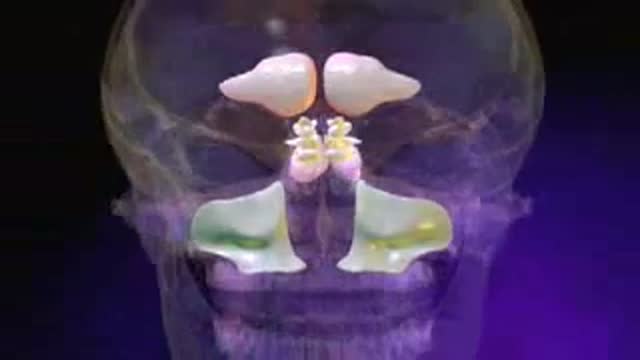
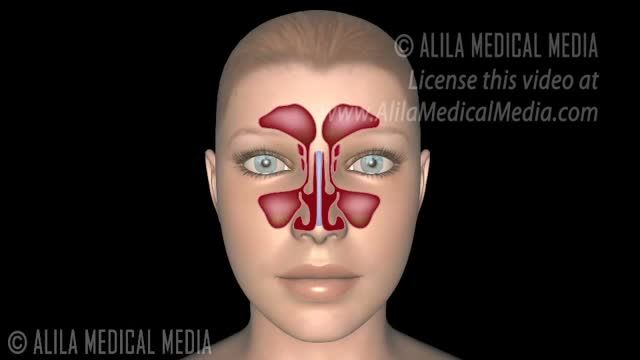
The sinuses are hollow spaces in the bones around the nose, eyes, and cheeks, lined with tissue that makes mucus. Healthy sinuses drain freely into the nose. In sinusitis, the lining swells and drainage is blocked, so mucus builds up and pressure increases. Sinusitis lasting less than about a month is called acute; symptoms continuing much longer are called chronic. Chronic sinusitis involves ongoing inflammation and sometimes nasal polyps, and needs a longer-term management plan.
Symptoms
Typical symptoms include a blocked nose, thick yellow or green mucus, and pain or pressure in the face, often worse when bending forward. The sense of smell may be reduced, and there can be headache, toothache in the upper jaw, ear pressure, bad breath, and a cough, especially at night. Fever can occur in acute sinusitis. In chronic sinusitis, congestion and reduced smell dominate, with usually less pain and fever.
Causes & risk factors
Most acute sinusitis follows a viral infection such as the common cold. Bacterial infection can develop afterward in a minority of cases when symptoms are severe or prolonged. Allergies, including hay fever, swell the nasal lining and raise the risk. Nasal polyps, a deviated septum, smoke exposure, and weakened immunity can also contribute, particularly to chronic sinusitis. Dental infections occasionally spread to the cheek sinus.
How it's diagnosed
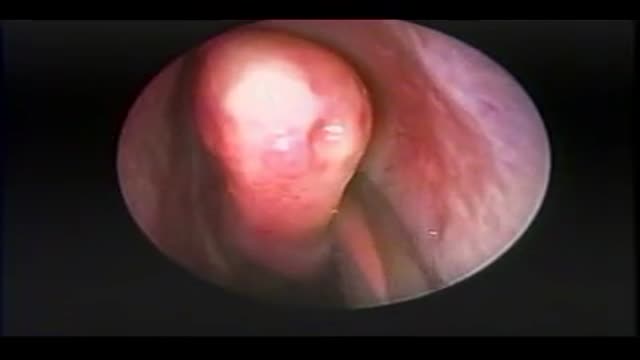
Diagnosis is usually based on symptoms and an examination of the nose. Most acute cases need no scans or tests. A clinician may suspect bacterial infection when symptoms are severe, include high fever and facial pain, or persist and worsen after initial improvement. For chronic or recurrent sinusitis, a specialist may use a small camera to view the nasal passages, allergy testing, or a CT scan to plan treatment.
Treatment overview
Most acute sinusitis improves with self-care: saline nasal rinses or sprays, fluids, rest, and pain relief. Nasal steroid sprays help reduce inflammation, especially in chronic or allergy-related disease. Antibiotics are used only when bacterial infection is likely, since most cases are viral. Chronic sinusitis may need longer anti-inflammatory treatment, allergy management, or, when these fail, surgery to improve drainage. Choices are individual and guided by a clinician.
When to seek care
Seek prompt care for swelling around the eyes, eye pain or vision changes, severe headache, neck stiffness, confusion, or a high fever that does not settle. Also see a clinician if symptoms last beyond about ten days without improvement, keep returning, or persist for months.
Frequently asked questions
Does green mucus mean I need antibiotics?
Not necessarily. Mucus often turns yellow or green during a viral cold or sinusitis as white blood cells gather, and most cases still settle without antibiotics. Clinicians judge by severity, fever, facial pain, and duration rather than mucus color alone.
What is the difference between a cold and sinusitis?
A cold mainly causes sneezing, a runny nose, and mild congestion that peaks and improves within about a week. Sinusitis adds prominent facial pressure or pain, thick mucus, and reduced smell, and lasts longer. Symptoms persisting or worsening after initial improvement suggest sinus involvement.
Can allergies cause sinusitis?
Yes. Allergic inflammation swells the nasal and sinus linings and blocks drainage, making sinusitis more likely and harder to clear. Managing allergies with avoidance measures and treatments such as nasal steroid sprays can reduce sinus problems for many people with both conditions.
When is surgery considered for sinusitis?
Surgery is considered for chronic sinusitis that does not respond to adequate medical treatment, or when polyps or structural problems block drainage. The aim is to widen drainage pathways and improve access for nasal treatments. An ear, nose, and throat specialist advises whether it fits your case.
More in Eyes & Ears
Related topics on MedicalVideos.com
Sources & further reading
Authoritative references for readers who want to go deeper:
- MedlinePlus: Sinusitis
- NHS: Sinusitis (Sinus Infection)
- American Academy of Otolaryngology–Head and Neck Surgery: Sinusitis (American Academy of Otolaryngology–Head and Neck Surgery)
This page is for general education only and is not medical advice. Swelling around the eyes, vision changes, severe headache, or confusion with sinusitis need urgent medical assessment.