
- Physical Examination
- Surgical Examination
- Ophthalmology
- Clinical Skills
- Orthopedics
- Surgery Videos
- Laparoscopy
- Pediatrics
- Funny Videos
- Cardiothoracic Surgery
- Nursing Videos
- Plastic Surgery
- Otorhinolaryngology
- Histology and Histopathology
- Neurosurgery
- Dermatology
- Pediatric Surgery
- Urology
- Dentistry
- Oncology and Cancers
- Anatomy Videos
- Health and Fitness
- Radiology
- Anaesthesia
- Physical Therapy
- Pharmacology
- Interventional Radiology
- Cardiology
- Endocrinology
- Gynecology
- Emergency Medicine
- Psychiatry and Psychology
- Childbirth Videos
- General Medical Videos
- Nephrology
- Physiology
- Diet and Food Health
- Diabetes Mellitus
- Neurology
- Women Health
- Osteoporosis
- Gastroenterology
- Pulmonology
- Hematology
- Rheumatology
- Toxicology
- Nuclear Medicine
- Infectious Diseases
- Vascular Disease
- Reproductive Health
- Burns and Wound Healing
- Kidney Zone Podcast
- Other
Hyperthyroidism
Hyperthyroidism means the thyroid gland makes too much thyroid hormone, speeding up many body processes. It can cause weight loss, a racing heart and anxiety-like symptoms. This guide explains hyperthyroidism symptoms, causes, diagnosis and treatment in plain language, with videos showing how the thyroid works.
✓ Medically reviewed by Dr. Mohamed Ibrahim, MD, PhD — physician-scientist · Last reviewed: November 2026
In short: An overactive thyroid raises hormone levels, causing symptoms such as weight loss despite normal appetite, palpitations, tremor, heat intolerance and anxiety. The most common cause is Graves' disease, an autoimmune condition. Blood tests confirm the diagnosis, and treatment can bring hormone levels back to normal.
Watch: Hyperthyroidism videos


Read: the plain-language guide
Overview
The thyroid gland in the neck makes hormones that regulate how fast the body works. In hyperthyroidism, excess hormone speeds up the heart, metabolism, digestion and nervous system, leaving people feeling restless and unwell. Symptoms usually develop over weeks to months. Hyperthyroidism is more common in women and can occur at any adult age. Left untreated, it can strain the heart, weaken bones and, in Graves' disease, affect the eyes. With treatment, hormone levels can be controlled and most symptoms improve.
Symptoms
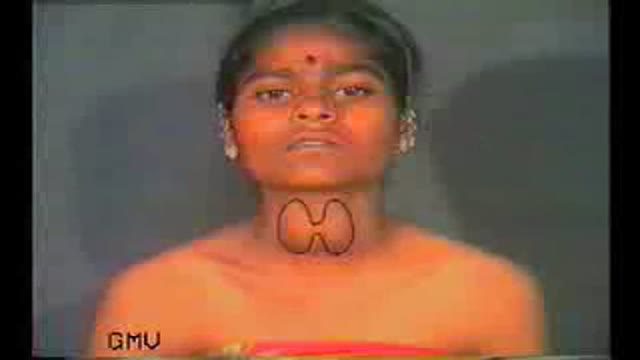
Common symptoms include losing weight despite a normal or increased appetite, a fast or irregular heartbeat and palpitations, and feeling anxious, irritable or restless. People may notice a fine tremor of the hands, sweating and dislike of heat, and more frequent bowel movements. Tiredness and muscle weakness can occur even though the body feels sped up, and sleep is often disturbed. The neck may swell where the thyroid is enlarged, forming a goiter. In Graves' disease, the eyes may feel gritty or look prominent.
Causes & risk factors
The most common cause is Graves' disease, an autoimmune condition in which antibodies stimulate the thyroid to make too much hormone; it can also affect the eyes. Other causes include overactive nodules within the thyroid that produce hormone independently, and thyroiditis, inflammation of the gland that temporarily leaks stored hormone, sometimes following viral illness or childbirth. Taking too much thyroid hormone medicine, or rarely excess iodine, can also cause overactivity. Identifying the cause matters because duration and treatment differ.
How it's diagnosed
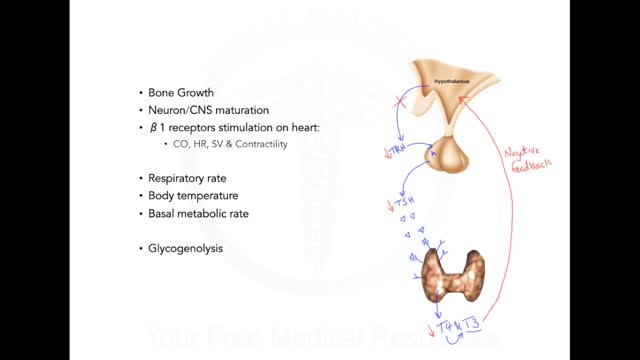
Diagnosis is confirmed with blood tests measuring TSH and thyroid hormone levels: in hyperthyroidism, TSH is low and T4, T3 or both are raised. If hormone levels are raised only mildly with a low TSH, this is called subclinical hyperthyroidism and is monitored or treated depending on circumstances. Antibody tests can confirm Graves' disease. A clinician may also arrange a thyroid scan or ultrasound, a heart tracing if the pulse is irregular, and bone health checks.
Treatment overview
Treatment aims to bring hormone levels back to normal and relieve symptoms. Antithyroid medicines reduce hormone production and are often the first approach, particularly in Graves' disease, where a course of treatment can lead to lasting remission in some people. Radioactive iodine treatment, given as a drink or capsule, shrinks overactive thyroid tissue; it often leads to an underactive thyroid afterward, managed with hormone replacement. Surgery to remove part or all of the thyroid is another option. Beta-blockers are often used short-term for tremor and palpitations.
When to seek care
See a clinician promptly for unexplained weight loss, persistent palpitations, tremor or a swelling in the neck. Seek urgent care for chest pain, severe breathlessness, a very fast or irregular heartbeat, or high fever with agitation or confusion, which can signal a rare severe complication called thyroid storm. Eye pain or vision changes need prompt assessment.
Frequently asked questions
What is the difference between hyperthyroidism and Graves' disease?
Hyperthyroidism describes the state of having too much thyroid hormone from any cause. Graves' disease is the most common specific cause: an autoimmune condition in which antibodies switch the thyroid on continuously. Graves' can also affect the eyes. Other causes are managed somewhat differently, so identifying the cause matters.
Can hyperthyroidism affect the heart?
Yes. Excess thyroid hormone makes the heart beat faster and harder, and it can trigger an irregular rhythm called atrial fibrillation, particularly in older people. Controlling hormone levels usually improves heart symptoms. New palpitations or chest symptoms should be reported promptly to a clinician.
Will hyperthyroidism go away on its own?
It depends on the cause. Overactivity from thyroiditis, inflammation of the gland, is usually temporary and settles as inflammation resolves. Graves' disease can go into remission with antithyroid medicines in some people but may relapse. Overactive nodules do not usually settle without definitive treatment.
Does hyperthyroidism affect bones?
Yes. Long-standing untreated hyperthyroidism speeds up bone turnover and can reduce bone density, raising fracture risk, particularly in older adults and after menopause. Treating the overactivity helps protect bones. Adequate calcium, vitamin D and weight-bearing exercise also support bone strength.
More in Hormones & Metabolism
Related topics on MedicalVideos.com
Sources & further reading
Authoritative references for readers who want to go deeper:
- MedlinePlus: Hyperthyroidism
- NHS: Overactive Thyroid (Hyperthyroidism)
- American Thyroid Association: Hyperthyroidism (American Thyroid Association)
This page is for general education only and is not medical advice. A very fast or irregular heartbeat, chest pain or severe breathlessness with thyroid overactivity needs urgent assessment, as the heart can be strained.