
- Physical Examination
- Surgical Examination
- Ophthalmology
- Clinical Skills
- Orthopedics
- Surgery Videos
- Laparoscopy
- Pediatrics
- Funny Videos
- Cardiothoracic Surgery
- Nursing Videos
- Plastic Surgery
- Otorhinolaryngology
- Histology and Histopathology
- Neurosurgery
- Dermatology
- Pediatric Surgery
- Urology
- Dentistry
- Oncology and Cancers
- Anatomy Videos
- Health and Fitness
- Radiology
- Anaesthesia
- Physical Therapy
- Pharmacology
- Interventional Radiology
- Cardiology
- Endocrinology
- Gynecology
- Emergency Medicine
- Psychiatry and Psychology
- Childbirth Videos
- General Medical Videos
- Nephrology
- Physiology
- Diet and Food Health
- Diabetes Mellitus
- Neurology
- Women Health
- Osteoporosis
- Gastroenterology
- Pulmonology
- Hematology
- Rheumatology
- Toxicology
- Nuclear Medicine
- Infectious Diseases
- Vascular Disease
- Reproductive Health
- Burns and Wound Healing
- Kidney Zone Podcast
- Other
Benign Prostatic Hyperplasia (BPH)
Benign prostatic hyperplasia, or BPH, is a non-cancerous enlargement of the prostate gland that is common as men get older. It can make passing urine slower, more frequent or urgent. This page explains symptoms, causes and treatment options in plain language, with videos to help you understand prostate care.
✓ Medically reviewed by Dr. Mohamed Ibrahim, MD, PhD — physician-scientist · Last reviewed: November 2026
In short: The prostate sits below the bladder and surrounds the tube that carries urine out of the body. As it enlarges, it can squeeze that tube and affect bladder emptying. BPH is not cancer and does not turn into cancer, but symptoms can disrupt sleep and daily life. Treatments range from lifestyle measures and medicines to procedures.
Watch: Benign Prostatic Hyperplasia (BPH) videos
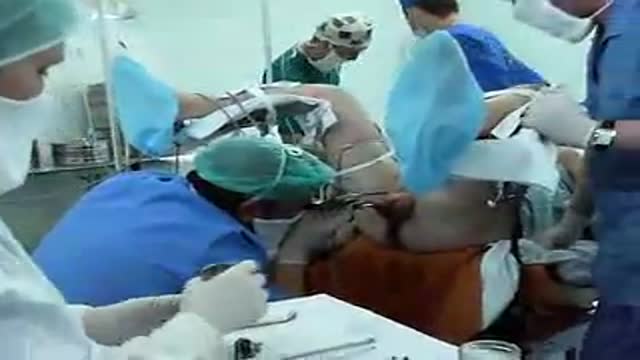 TURP Surgery: Transurethral Resection of the Prostate, Explained
235,110 views
 TURP (Transurethral Resection of the Prostate)
37,769 views
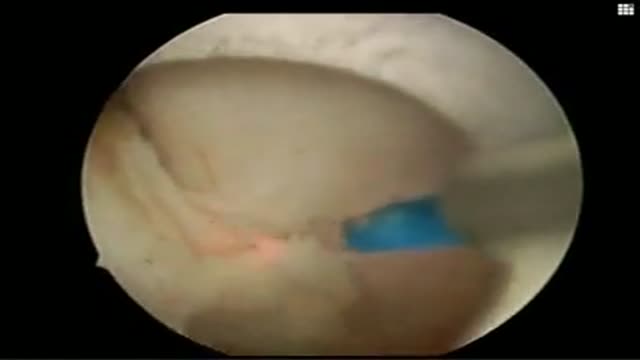 HoLEP (Holmium laser enucleation of prostate)
18,240 views
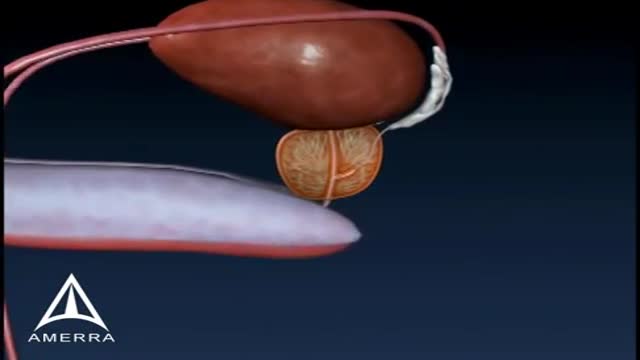 Prostate Biopsy
11,097 views
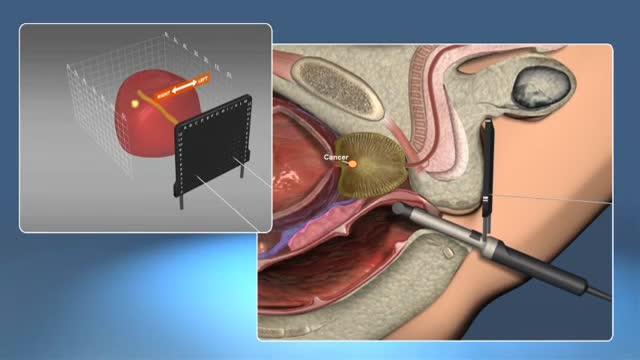 Prostate Procedure
10,799 views
 USMLE Step 2 CS - BPH Benign Prostatic Hyperplasia
6,728 views
Read: the plain-language guide
Overview
The prostate is a small gland that contributes fluid to semen. It grows in two phases, during puberty and again gradually from middle age onward. In BPH, the inner part of the gland enlarges and narrows the urethra, the tube passing through it. The bladder then has to work harder to empty, and over time its wall can thicken and become more sensitive, causing urgency and frequency even when it is not full. The degree of enlargement does not always match symptom severity.
Symptoms
Common symptoms include a weak or slow urine stream, difficulty starting, stopping and starting again, dribbling at the end, and feeling that the bladder has not emptied fully. Increased frequency, urgency and waking at night to urinate are also typical. Symptoms usually develop gradually. Occasionally, a man may suddenly be unable to pass urine at all, called acute retention, which is painful and needs urgent care. Blood in the urine can occur and should always be assessed.
Causes & risk factors
BPH is part of normal ageing for many men and is influenced by male hormones over a lifetime. Family history can play a role, and the condition is more common with increasing age. It is not caused by prostate cancer, and having BPH does not increase the risk of developing prostate cancer, although the two can exist together. Excess weight and some general health conditions may worsen urinary symptoms, and certain medicines, such as some cold remedies, can make emptying harder.
How it's diagnosed
Assessment includes a history of urinary symptoms, often with a standard symptom score and a bladder diary. A clinician may examine the prostate with a gloved finger through the rectum to assess size and feel. Urine tests check for infection or blood, and blood tests may include kidney function and sometimes a PSA test, discussed individually. Flow rate and post-void bladder scans measure emptying. Further tests or referral are arranged if cancer, infection or complications are suspected.
Treatment overview
Treatment depends on symptom impact. Mild symptoms may need only lifestyle measures, such as limiting fluids before bed, reducing caffeine and alcohol, and reviewing medicines. Medicines include alpha blockers, which relax prostate and bladder neck muscle to improve flow, and 5-alpha reductase inhibitors, which slowly shrink the prostate in larger glands. Procedures or surgery to remove or reduce obstructing tissue are options when medicines fail or complications occur. Choices are individual and discussed with a clinician.
When to seek care
Seek urgent care if you cannot pass urine at all, have severe lower abdominal pain from a full bladder, fever with urinary symptoms, or heavy blood in the urine with clots. Seek prompt advice for recurrent urine infections, worsening emptying, kidney problems, or any new lump or concern found on examination.
Frequently asked questions
Is BPH the same as prostate cancer?
No. BPH is a benign, non-cancerous enlargement of the inner prostate, while prostate cancer usually starts in the outer part of the gland. They can occur at the same time, which is why assessment may include examination and, where appropriate, PSA testing and referral.
Does BPH always need treatment?
No. If symptoms are mild and not bothersome, monitoring with periodic review may be enough. Treatment is guided mainly by how much symptoms affect quality of life, sleep and daily activities, and by whether complications such as retention or infections develop.
Can lifestyle changes help BPH symptoms?
Simple measures can help some men: drinking less in the evening, cutting down caffeine and alcohol, allowing extra time to empty the bladder, and double voiding, where you try again after a short pause. These steps support, but do not replace, medical treatment when symptoms are significant.
What is a PSA test in BPH assessment?
PSA is a protein made by the prostate that can be raised by BPH, infection, recent procedures and prostate cancer. It is one piece of information, interpreted alongside examination and history. Whether to test is an individual decision to discuss with a clinician, including its benefits and limitations.
More in Men's Health
Related topics on MedicalVideos.com
Sources & further reading
Authoritative references for readers who want to go deeper:
- MedlinePlus: Enlarged Prostate (BPH)
- American Urological Association: BPH (American Urological Association)
- NHS: Benign Prostatic Hyperplasia (BPH)
This page is for general education only and is not medical advice. Being completely unable to pass urine with bladder pain is an emergency and needs urgent care.