
- Physical Examination
- Surgical Examination
- Ophthalmology
- Clinical Skills
- Orthopedics
- Surgery Videos
- Laparoscopy
- Pediatrics
- Funny Videos
- Cardiothoracic Surgery
- Nursing Videos
- Plastic Surgery
- Otorhinolaryngology
- Histology and Histopathology
- Neurosurgery
- Dermatology
- Pediatric Surgery
- Urology
- Dentistry
- Oncology and Cancers
- Anatomy Videos
- Health and Fitness
- Radiology
- Anaesthesia
- Physical Therapy
- Pharmacology
- Interventional Radiology
- Cardiology
- Endocrinology
- Gynecology
- Emergency Medicine
- Psychiatry and Psychology
- Childbirth Videos
- General Medical Videos
- Nephrology
- Physiology
- Diet and Food Health
- Diabetes Mellitus
- Neurology
- Women Health
- Osteoporosis
- Gastroenterology
- Pulmonology
- Hematology
- Rheumatology
- Toxicology
- Nuclear Medicine
- Infectious Diseases
- Vascular Disease
- Reproductive Health
- Burns and Wound Healing
- Kidney Zone Podcast
- Other
Acne
Acne is a very common skin condition that causes spots, oily skin, and sometimes painful deeper lumps, usually on the face, back, and chest. This guide explains acne causes and treatment in plain language, with videos to help.
✓ Medically reviewed by Dr. Mohamed Ibrahim, MD, PhD — physician-scientist · Last reviewed: November 2026
In short: Acne develops when hair follicles become blocked with oil and dead skin cells, and bacteria and inflammation add to the problem. Gentle skin care and proven treatments, given time to work, help most people.
Watch: Acne videos
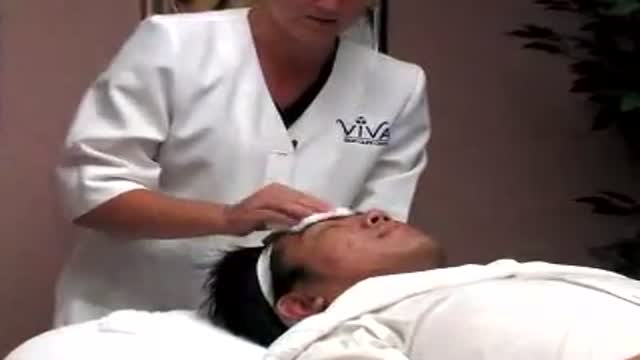
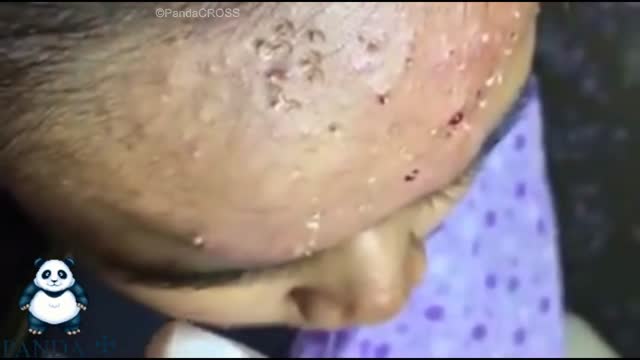
Read: the plain-language guide
Overview
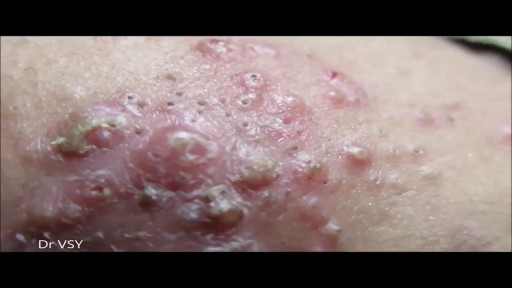
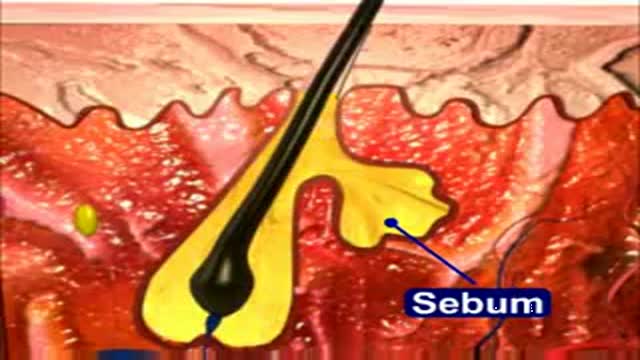
Acne affects the skin's oil glands and hair follicles. Hormone changes, especially during puberty, increase oil production. Dead skin cells and oil can block follicles, forming blackheads and whiteheads. Bacteria that normally live on skin can multiply in blocked follicles, causing inflammation, red spots, and sometimes deeper, painful nodules or cysts. Acne most often affects teenagers and young adults, but it can persist or start in adulthood, particularly in women. It is not caused by dirty skin, and with appropriate treatment, scarring and distress can usually be reduced.
Symptoms
Acne ranges from mild to severe. Mild acne causes blackheads, whiteheads, and small red spots. Moderate acne includes more inflamed spots with pus. Severe acne involves deeper, painful lumps under the skin that can leave scars. Common sites are the face, neck, chest, shoulders, and back, where oil glands are most active. Picking or squeezing spots increases inflammation and the chance of marks and scarring. Acne can also affect confidence and mood, which is a valid reason to seek treatment rather than simply waiting for it to pass.
Causes & risk factors
The main drivers are hormone-related oil production, blocked follicles, skin bacteria, and inflammation. Hormonal changes at puberty, around periods, and in conditions such as polycystic ovary syndrome can worsen acne. Some medicines, heavy or oily cosmetics, friction from helmets or bags, and squeezing spots may aggravate it. Diet and stress are often discussed; evidence is mixed, and stress mainly seems to worsen existing acne rather than cause it. Acne is not caused by poor washing, and over-washing or harsh scrubbing can irritate the skin further.
How it's diagnosed
A clinician usually diagnoses acne by examining the skin and asking about its duration, treatments already tried, medicines, and, where relevant, periods and other symptoms. Tests are rarely needed. If acne is severe, starts suddenly in adulthood, or comes with features such as excess hair growth or irregular periods, the clinician may check hormone levels or consider referral to a dermatologist. Assessing how acne affects mood and daily life is also part of good diagnosis, because that helps decide how active treatment should be.
Treatment overview
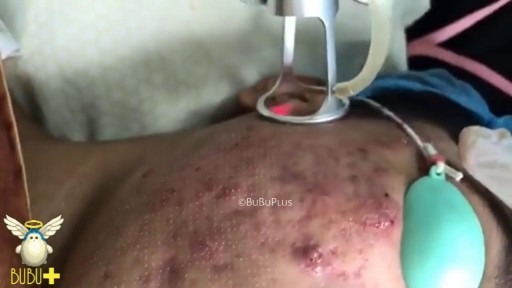
Treatment takes time and is usually reviewed after a reasonable trial period. Approaches include topical preparations applied to the skin that unblock follicles, reduce bacteria, and calm inflammation, sometimes combined in one product. For more widespread or stubborn acne, clinicians may consider oral medicines, including antibiotics for limited periods or hormonal treatments for some women. Severe, scarring acne may need specialist-only medicine with careful monitoring. Gentle cleansing, not picking spots, and using non-comedogenic products support any plan. Choices are individual and decided with a clinician.
When to seek care
Seek care if acne is painful, deep, or leaving scars, if over-the-counter care has not helped after a fair trial, or if acne is seriously affecting mood or confidence. Sudden severe acne with fever or joint pain is uncommon but needs urgent assessment. Young children with acne should also be reviewed by a clinician.
Frequently asked questions
Does diet cause acne?
No single food has been proven to cause acne for everyone. Some studies suggest links with certain dietary patterns, but evidence is not strong enough for strict rules. A balanced diet is sensible for general health. If you notice a consistent personal pattern, discuss it with a clinician rather than cutting out major food groups.
Should I squeeze spots?
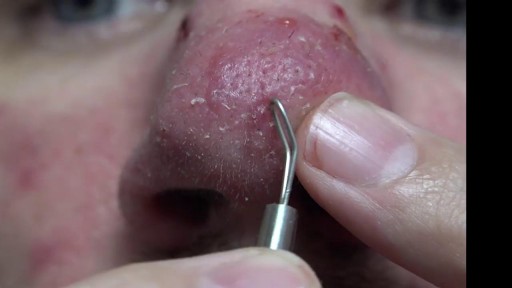
It is best not to squeeze or pick spots. Squeezing pushes inflammation deeper, delays healing, and increases the risk of permanent marks and scars, especially with deeper lumps. Gentle cleansing and prescribed treatment work more safely. If a spot is very painful or keeps recurring in the same place, a clinician can advise.
How long does acne treatment take to work?
Acne treatments work gradually because they prevent new spots forming rather than clearing existing ones overnight. Skin may look worse briefly before improving.
Can adults get acne?
Yes. Acne can continue into adulthood or begin for the first time in adults, and it is more common in women, often linked with hormonal patterns. Adult acne often affects the lower face and jawline. The same treatment principles apply, and a clinician can check for contributing causes if the pattern is unusual.
More in Skin
Related topics on MedicalVideos.com
Sources & further reading
Authoritative references for readers who want to go deeper:
This page is for general education only and is not medical advice. Deep, painful, or scarring acne, or acne causing significant distress, deserves clinician review rather than repeated self-treatment.