
- Physical Examination
- Surgical Examination
- Ophthalmology
- Clinical Skills
- Orthopedics
- Surgery Videos
- Laparoscopy
- Pediatrics
- Funny Videos
- Cardiothoracic Surgery
- Nursing Videos
- Plastic Surgery
- Otorhinolaryngology
- Histology and Histopathology
- Neurosurgery
- Dermatology
- Pediatric Surgery
- Urology
- Dentistry
- Oncology and Cancers
- Anatomy Videos
- Health and Fitness
- Radiology
- Anaesthesia
- Physical Therapy
- Pharmacology
- Interventional Radiology
- Cardiology
- Endocrinology
- Gynecology
- Emergency Medicine
- Psychiatry and Psychology
- Childbirth Videos
- General Medical Videos
- Nephrology
- Physiology
- Diet and Food Health
- Diabetes Mellitus
- Neurology
- Women Health
- Osteoporosis
- Gastroenterology
- Pulmonology
- Hematology
- Rheumatology
- Toxicology
- Nuclear Medicine
- Infectious Diseases
- Vascular Disease
- Reproductive Health
- Burns and Wound Healing
- Kidney Zone Podcast
- Other
Eating with Diabetes and CKD
Diabetes and kidney disease together ask for two patterns at once: steady blood sugar and kidney-friendly minerals. The good news is the core of both is the same plate — fresh foods, controlled portions, less sodium and less added sugar.
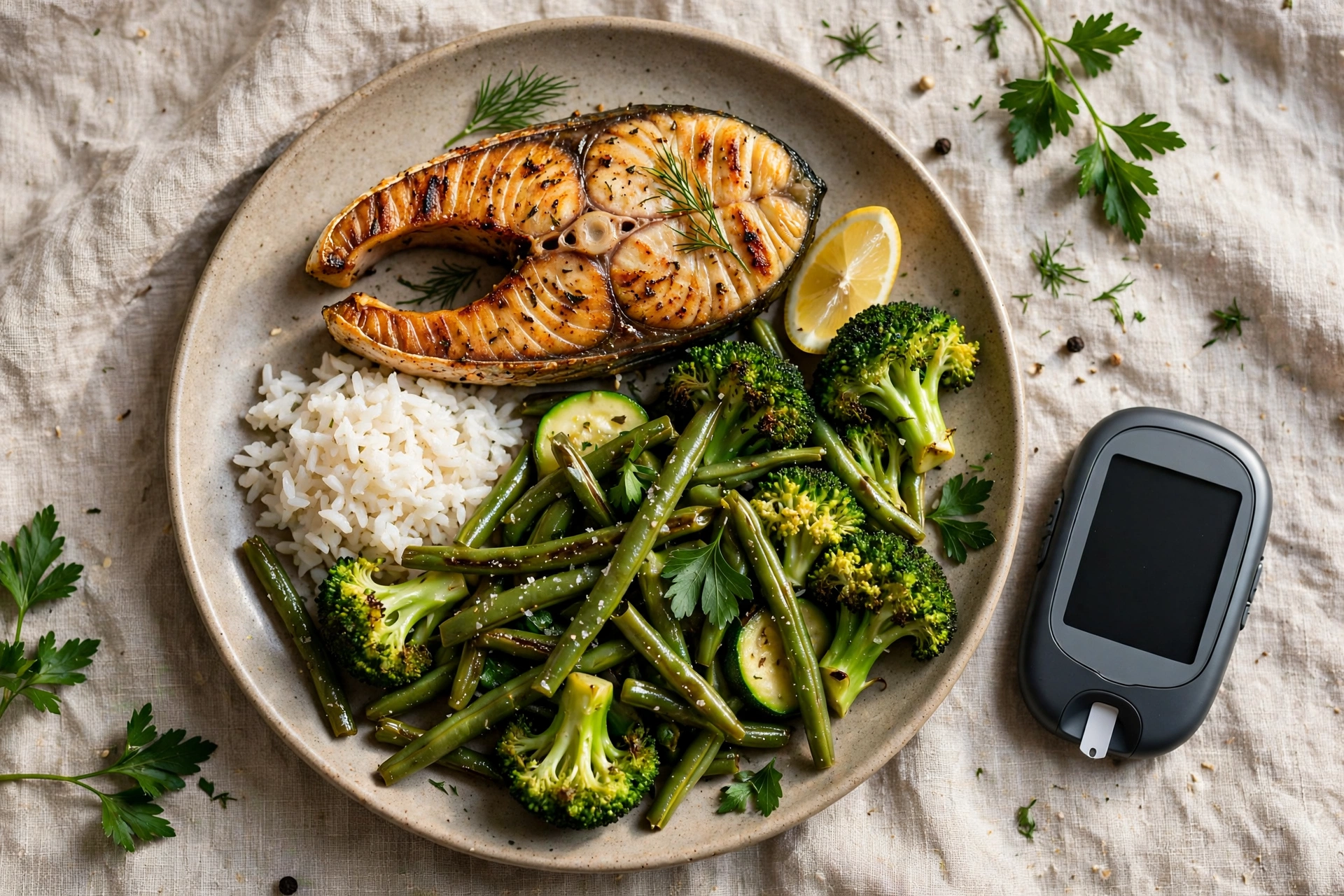
Two conditions, one plate
Diabetes is the most common cause of kidney disease, so many people manage both at once. At first glance the advice seems to clash — diabetes guidance loves whole grains, beans and bananas, while kidney guidance can be wary of their potassium and phosphorus. In practice the two patterns share a strong core, and the conflicts are solved with portions and swaps, not by abandoning either.
Your diabetes and kidney teams — ideally with one renal dietitian who sees the whole picture — set your personal targets for blood sugar, weight and minerals.
What changes, and why
Carbohydrate with a steadier shape: spread carbohydrate across the day in regular meals, favour slower-release choices, and watch portions of even kidney-friendly staples like white rice and pasta, which still raise blood sugar.
Swaps where the patterns collide: choose lower-potassium fruits (apples, berries, grapes, pineapple) more often than bananas and oranges; pick green beans, cabbage and cauliflower over potatoes; and remember fresh foods beat processed ones for both sugar and phosphorus additives.
Sodium serves both masters: less sodium lowers blood pressure, which protects kidneys, heart and eyes at once. It is the single highest-value habit in this guide.
Added sugar out: sugary drinks are the first thing to go — they spike blood sugar, add calories, and (in cola form) add phosphorus too. Water, or water with a squeeze of citrus you are allowed, is the default drink.
Protein in the middle: people with diabetes and CKD who are not on dialysis generally aim for moderate, good-quality protein rather than high-protein or very-low-protein fads; on dialysis, protein needs rise as described in the dialysis guides. Your dietitian sets the amount.
Weight and activity: even modest weight loss improves blood sugar and blood pressure, and a walk after meals blunts glucose rises. Discuss any weight-loss plan with your team, especially before trying low-carbohydrate or fasting diets, which can be risky with kidney disease and some diabetes medicines.
A sample day
Breakfast: Eggs with a slice of toast and a small apple, or porridge made with water or a lower-phosphorus milk alternative, sweetened with berries rather than sugar.
Lunch: Chicken and vegetable soup (homemade or low-salt) with a bread roll, or a rice bowl with chicken, peppers and cabbage in a measured portion of rice.
Snack: A small handful of grapes, unsalted popcorn, or cucumber and pepper sticks.
Dinner: Grilled fish with a modest portion of pasta or rice, green beans and a salad dressed with olive oil and lemon.
Drinks: Water through the day; tea or coffee without sugar; no cola or fruit juice.
A sample only — quantities and choices are set by your own targets, blood results and appetite. Ask your renal dietitian to adapt it.
Related conditions
Related symptoms
Frequently asked questions
Fruit is sugary — can I eat any fruit with diabetes and CKD?
Yes. Whole fruit in sensible portions fits both conditions, and it brings fibre and vitamins. Choose lower-potassium, lower-sugar-impact options most often — apples, berries, grapes, plums and pineapple — eat fruit with a meal rather than alone if your glucose runs high, and avoid fruit juice, which concentrates sugar and, in the case of orange juice, potassium too.
Can I try a low-carb or keto diet to control my diabetes?
Be careful, and do not start without your kidney team. Very-low-carbohydrate and high-protein diets can strain kidneys, shift potassium and acid levels, and interact with diabetes medicines — and some newer diabetes drugs carry specific cautions in these settings. There are safer ways to steady blood sugar with kidney disease, and your team can help you find one that fits your stage.
These pages are general education about eating with kidney disease, dialysis or a kidney transplant. They are not medical advice and do not replace your own care plan. Kidney diets are individual: what is right for you depends on your stage, your blood tests, your medicines and your other conditions. Always talk to your care team or renal dietitian before changing what you eat, and never stop or change a medicine because of something you read here.