
- Physical Examination
- Surgical Examination
- Ophthalmology
- Clinical Skills
- Orthopedics
- Surgery Videos
- Laparoscopy
- Pediatrics
- Funny Videos
- Cardiothoracic Surgery
- Nursing Videos
- Plastic Surgery
- Otorhinolaryngology
- Histology and Histopathology
- Neurosurgery
- Dermatology
- Pediatric Surgery
- Urology
- Dentistry
- Oncology and Cancers
- Anatomy Videos
- Health and Fitness
- Radiology
- Anaesthesia
- Physical Therapy
- Pharmacology
- Interventional Radiology
- Cardiology
- Endocrinology
- Gynecology
- Emergency Medicine
- Psychiatry and Psychology
- Childbirth Videos
- General Medical Videos
- Nephrology
- Physiology
- Diet and Food Health
- Diabetes Mellitus
- Neurology
- Women Health
- Osteoporosis
- Gastroenterology
- Pulmonology
- Hematology
- Rheumatology
- Toxicology
- Nuclear Medicine
- Infectious Diseases
- Vascular Disease
- Reproductive Health
- Burns and Wound Healing
- Kidney Zone Podcast
- Other
Diet in Kidney Disease & Transplant
Food is one of the few parts of kidney care you control every single day. The Diet in Kidney Disease & Transplant section explains how eating changes across the kidney journey: chronic kidney disease before dialysis, hemodialysis, peritoneal dialysis, life after a transplant, kidney stone prevention, and the overlap with diabetes. Work by condition guide, dig into the ten nutrients that matter most — sodium, potassium, phosphorus, protein, fluid and more — or look up everyday foods one at a time, each rated for potassium, phosphorus and sodium and matched with a healthier swap. This section is written from a transplant nephrology practice, so transplant food safety and the grapefruit warning get the attention they deserve.
Guides for your situation
 Eating with CKD (Not on Dialysis)
 Eating on Hemodialysis
 Eating on Peritoneal Dialysis
 Eating After a Kidney Transplant
 Eating to Prevent Kidney Stones
 Eating with Diabetes and CKD
The nutrients that matter

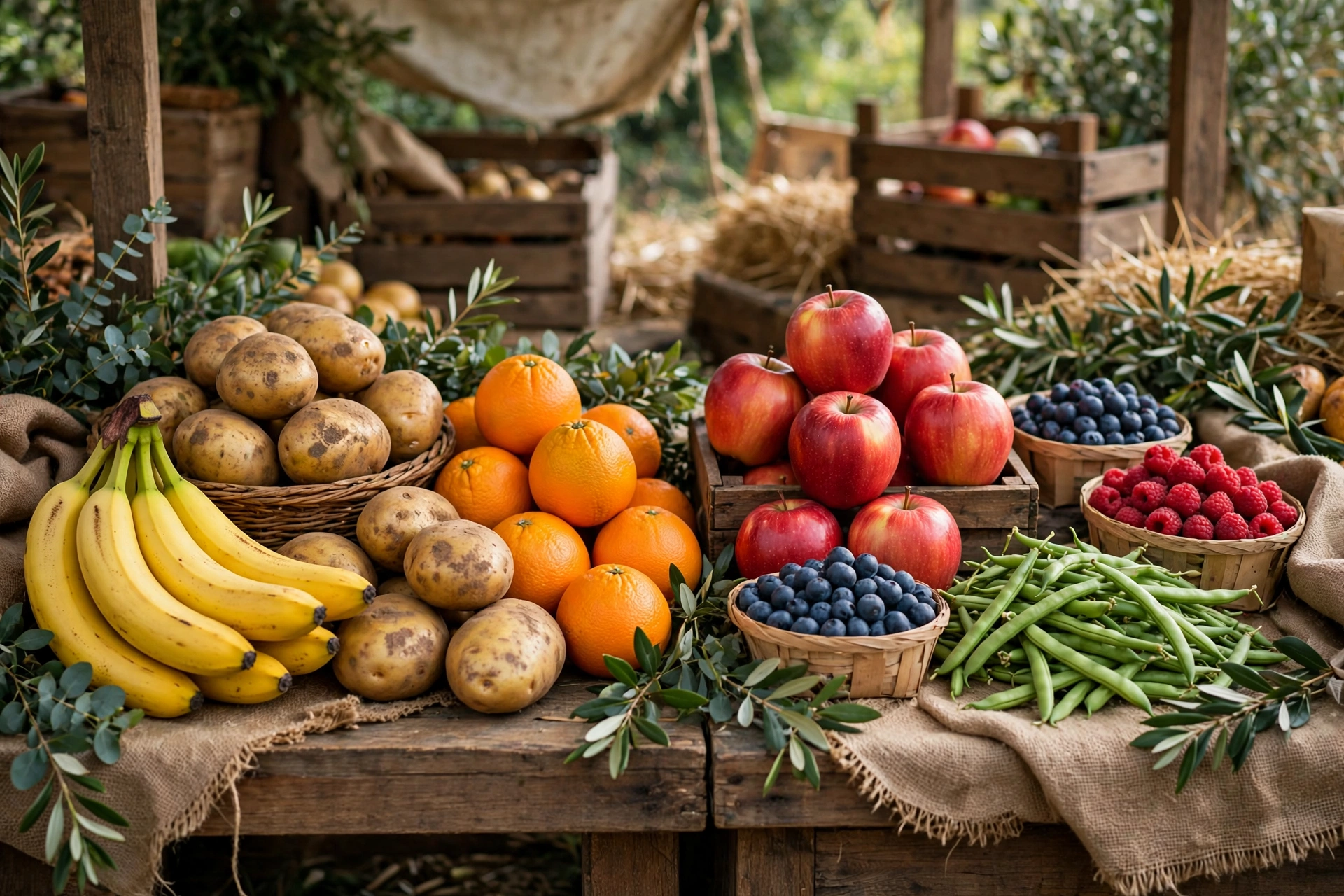


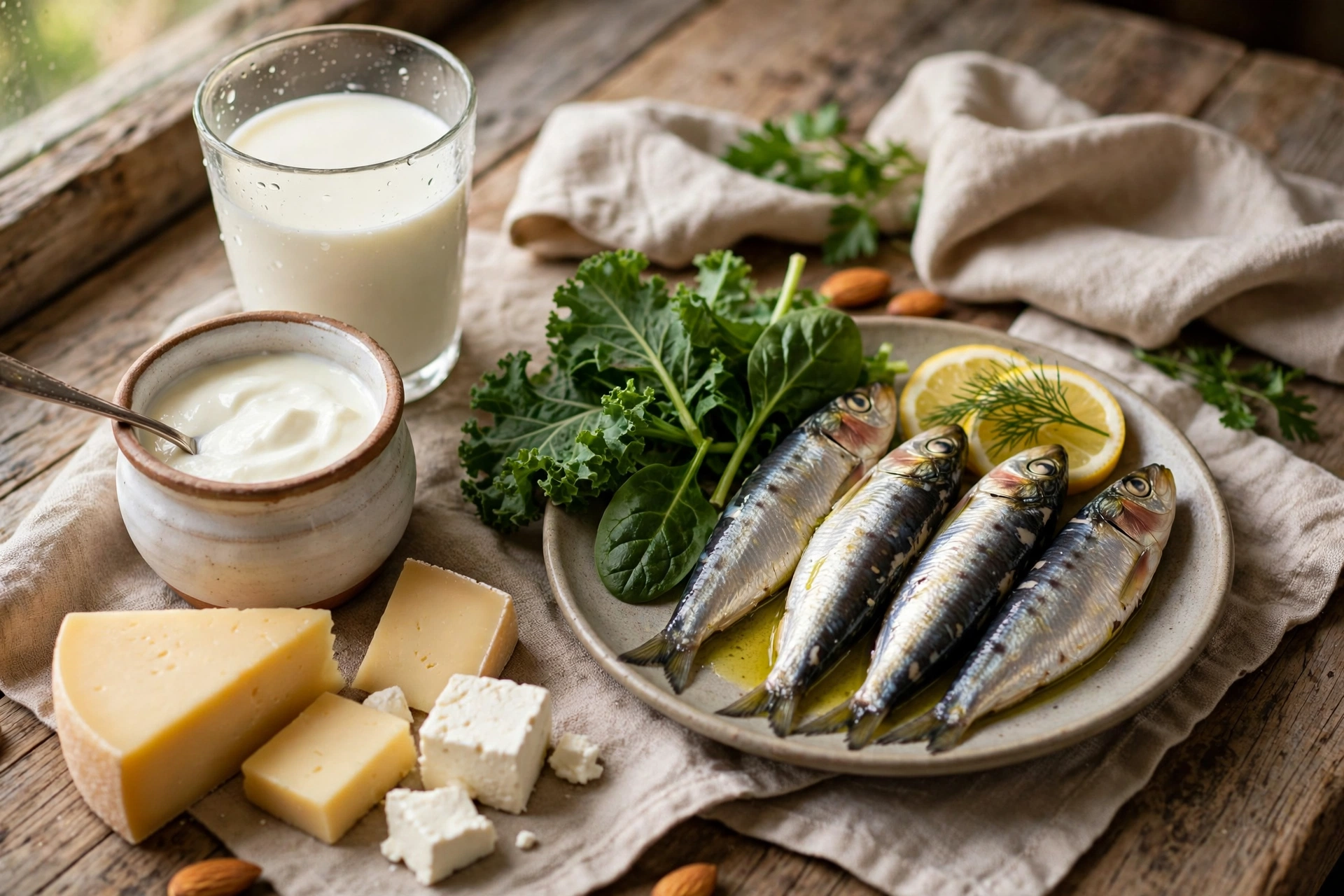

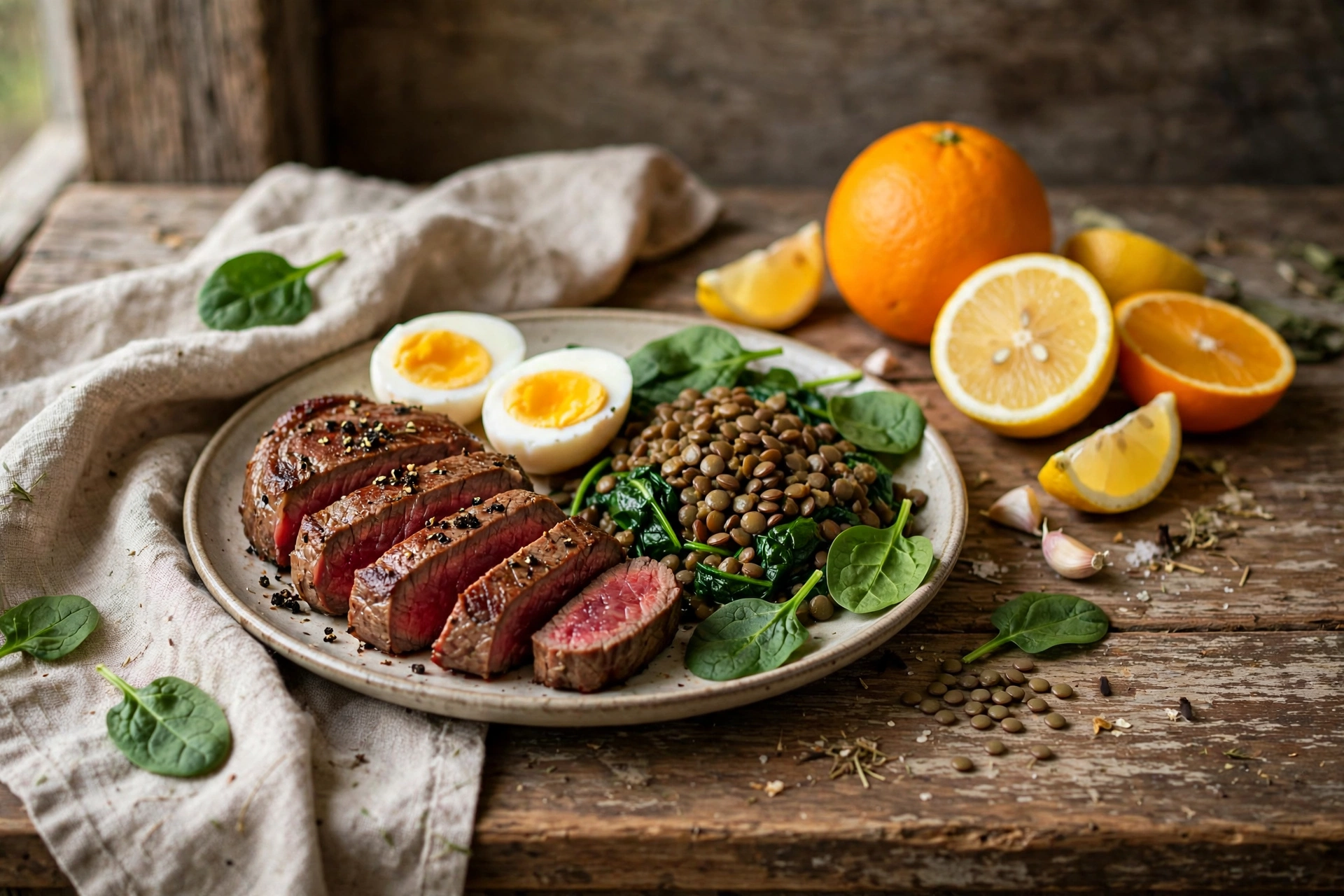


Foods at a glance
Everyday foods rated for potassium, phosphorus and sodium — higher, moderate or lower — with the bottom line for CKD, dialysis and transplant readers and a healthier swap for each.
Fruits
 Apple
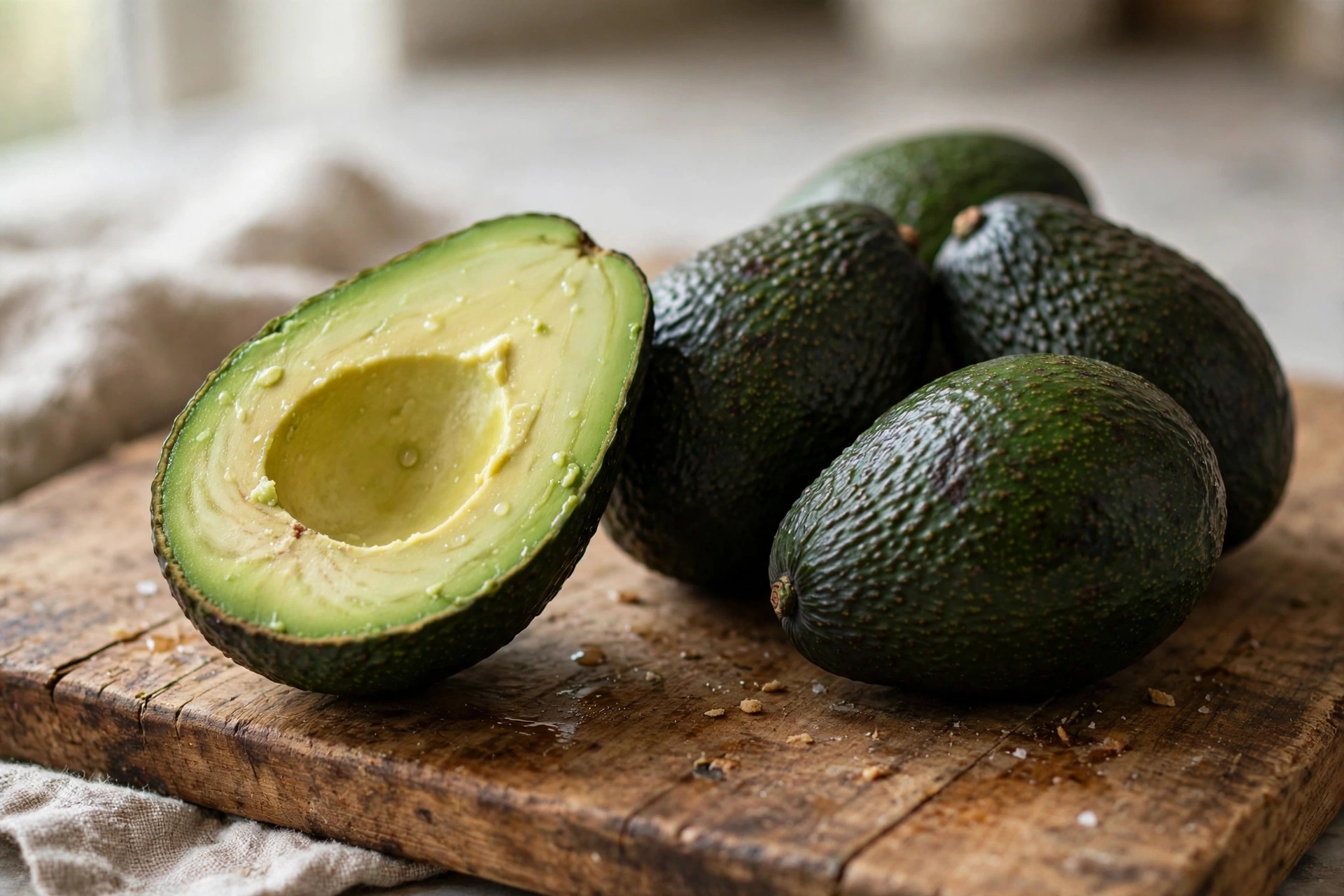 Avocado
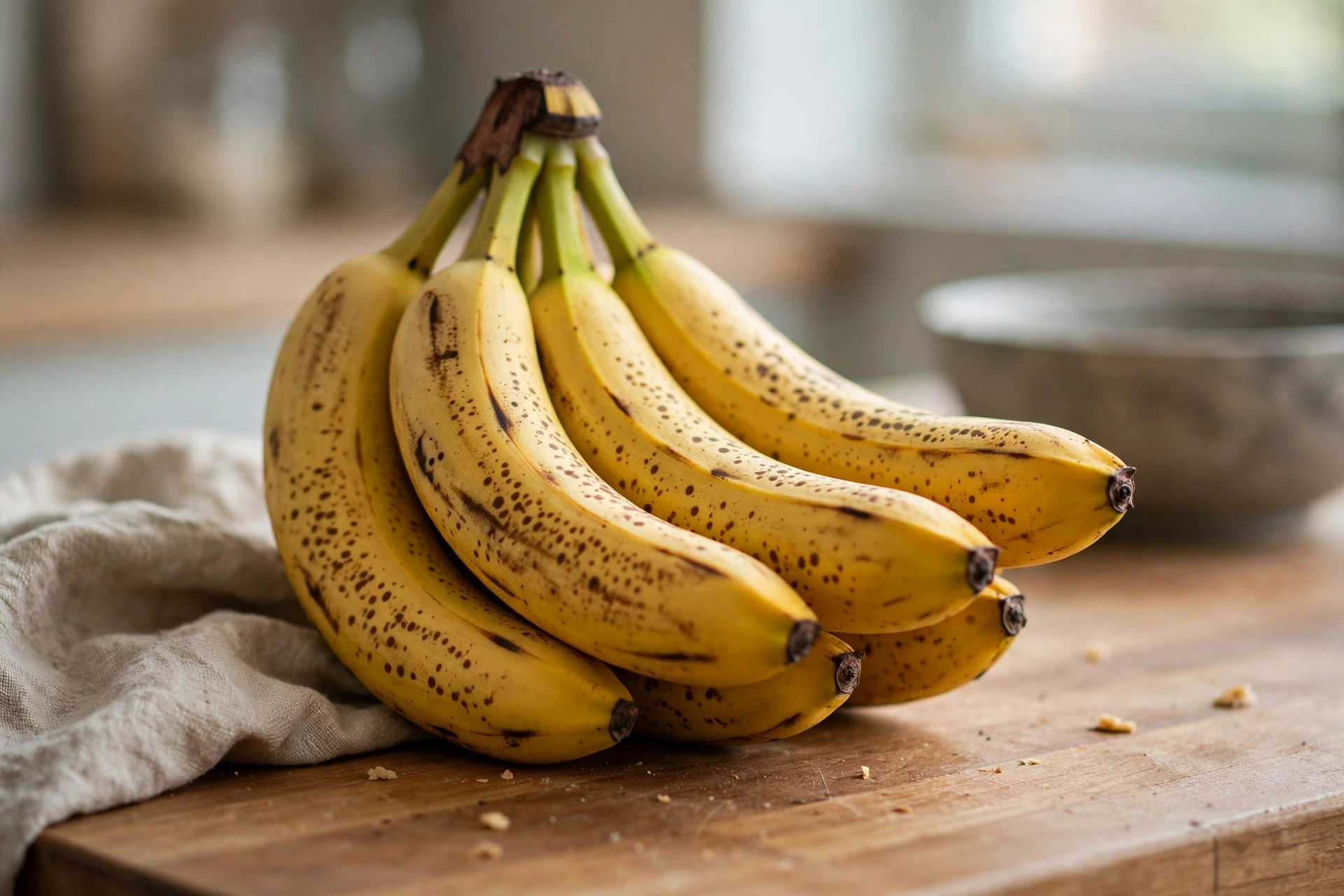 Banana
 Blueberries
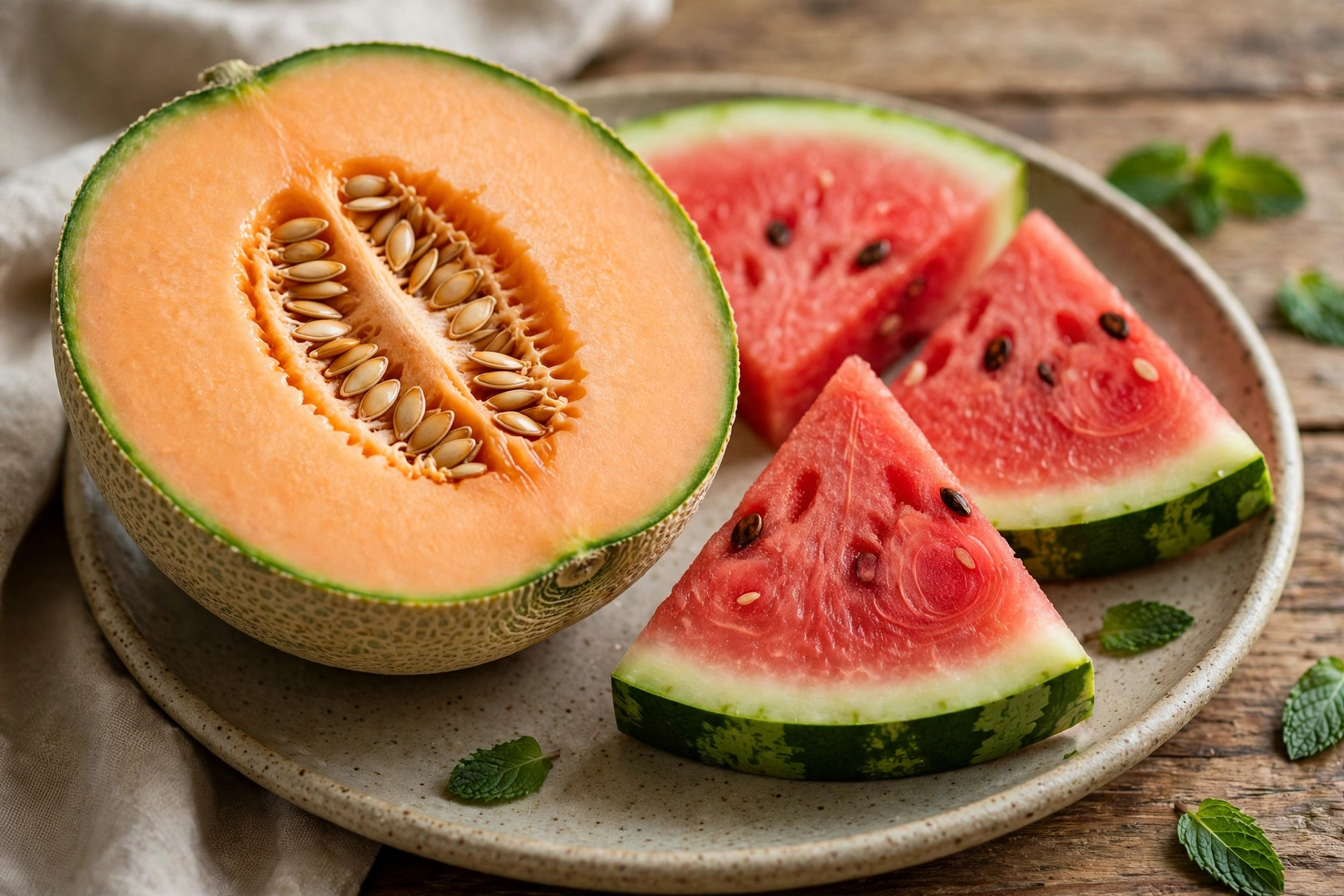 Cantaloupe (Melon)
 GrapefruitGrapes
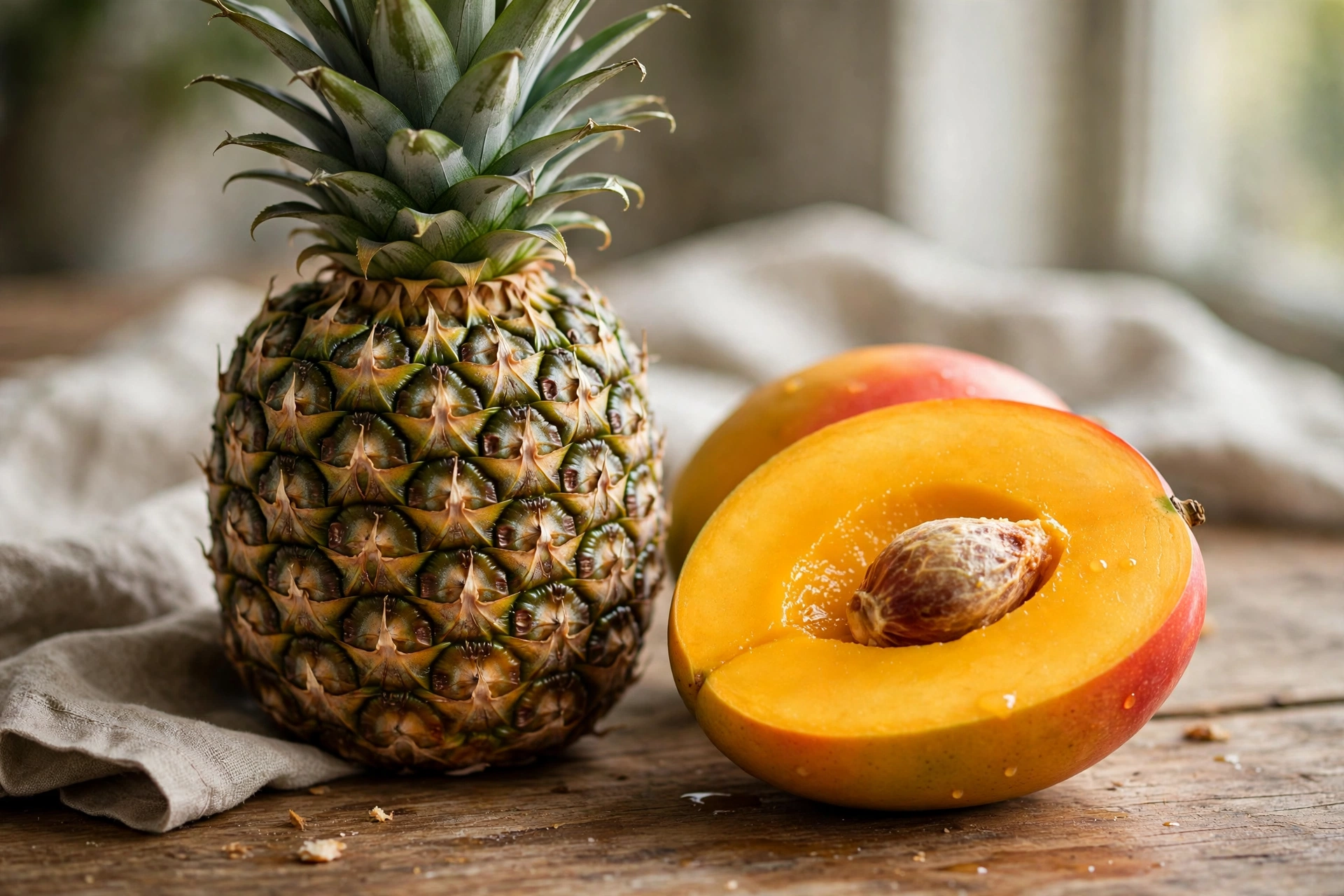 MangoOrange
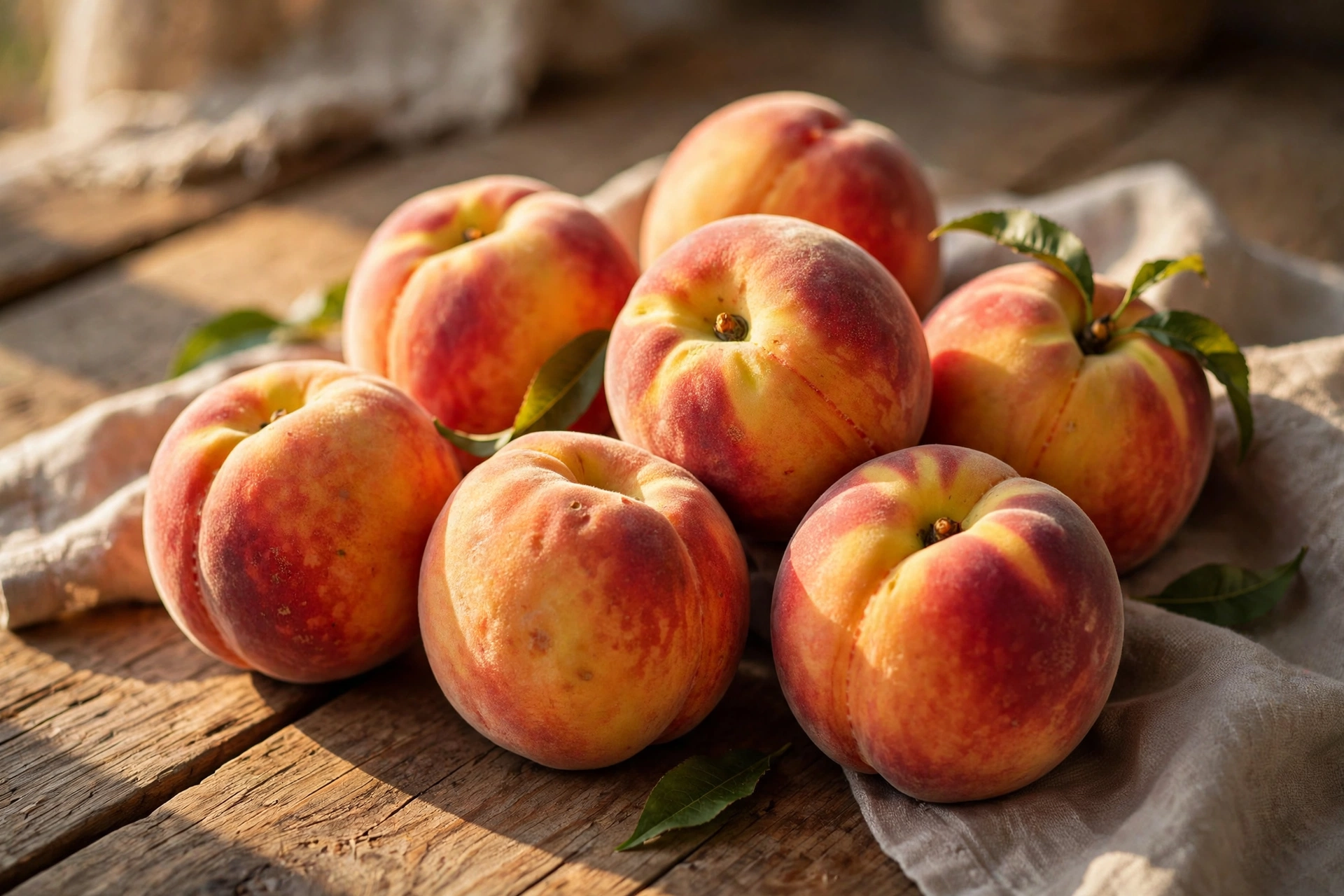 PeachPineapple
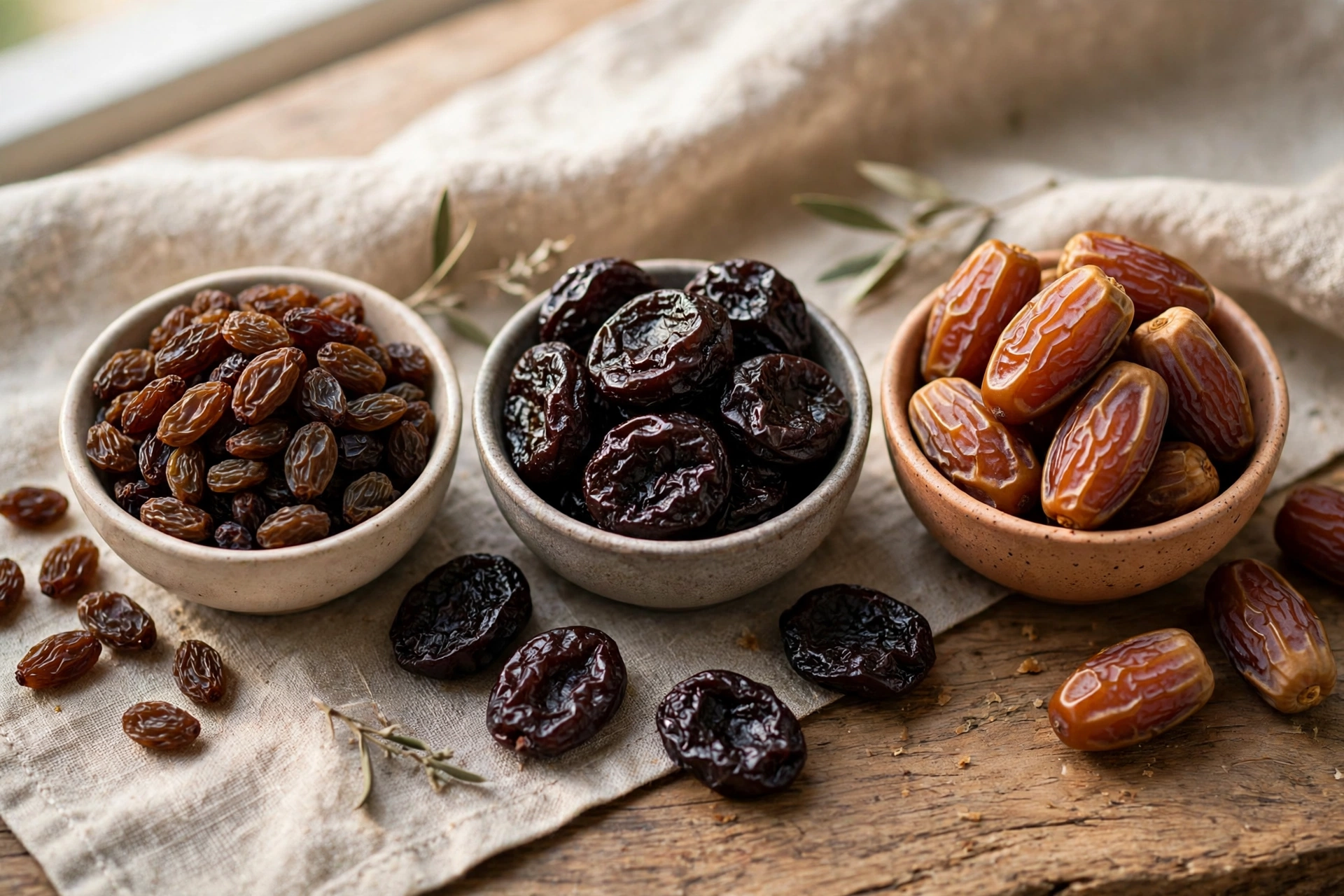 Raisins & Dried FruitStrawberriesWatermelon
Vegetables
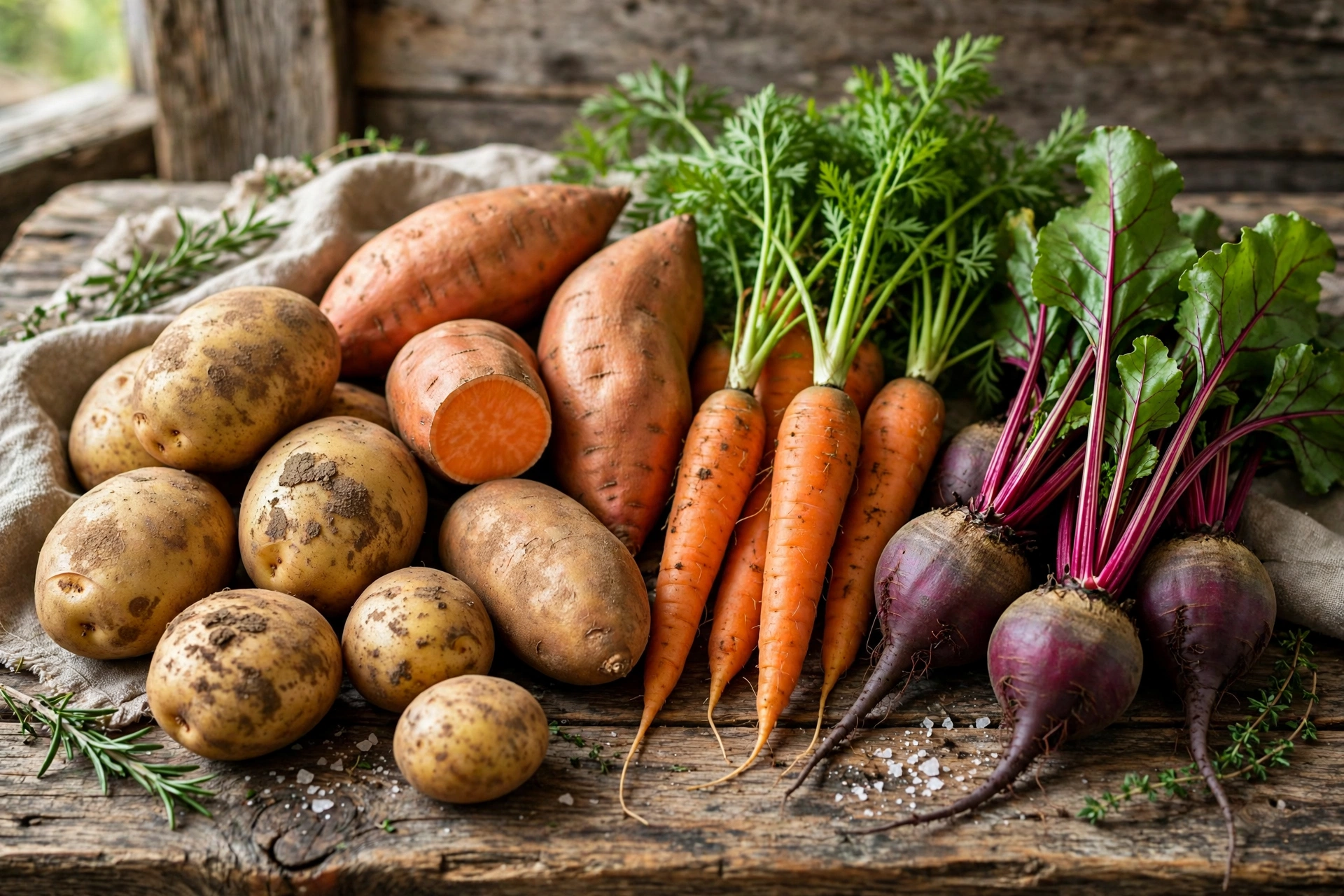 Beets (Beetroot)
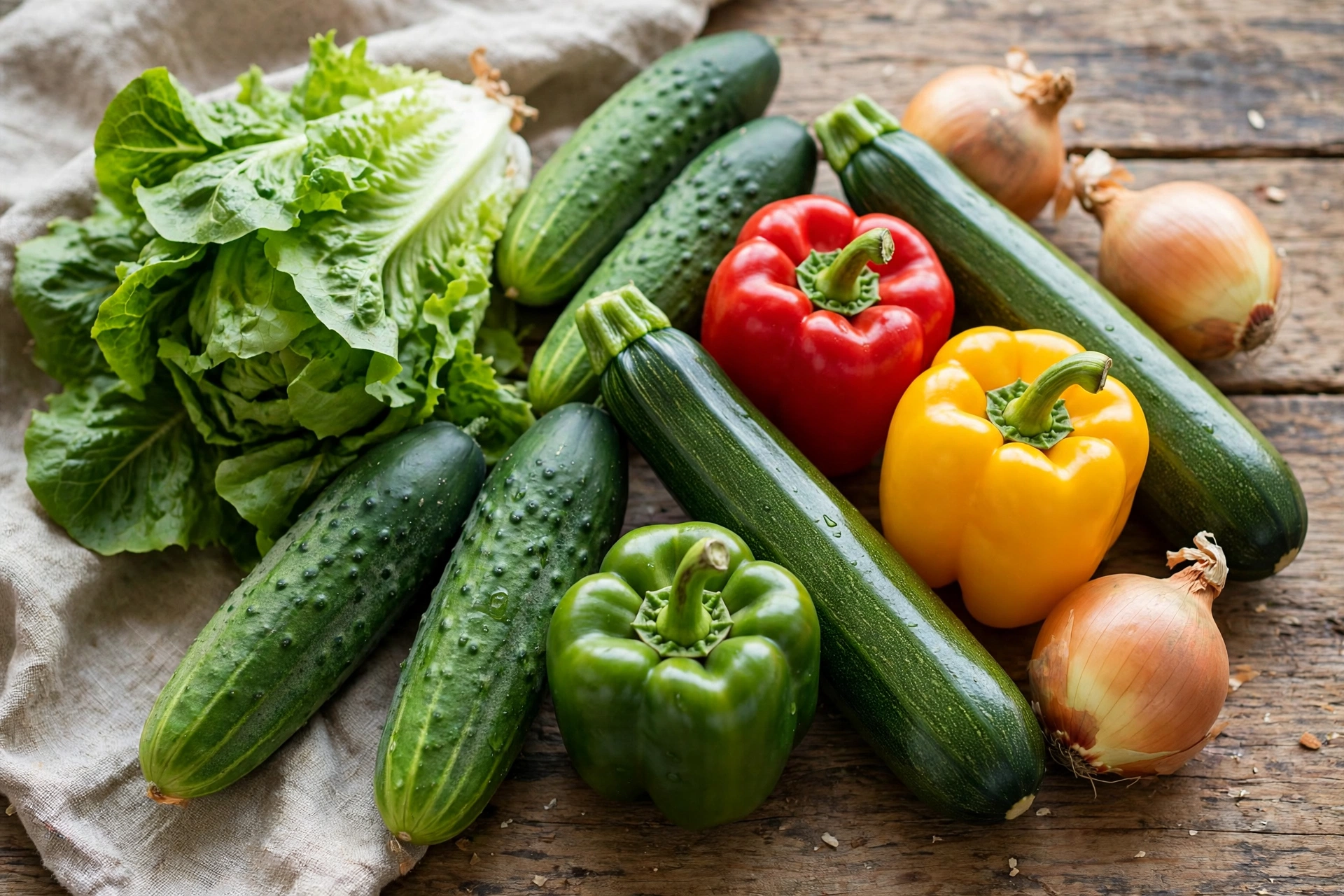 Bell Peppers
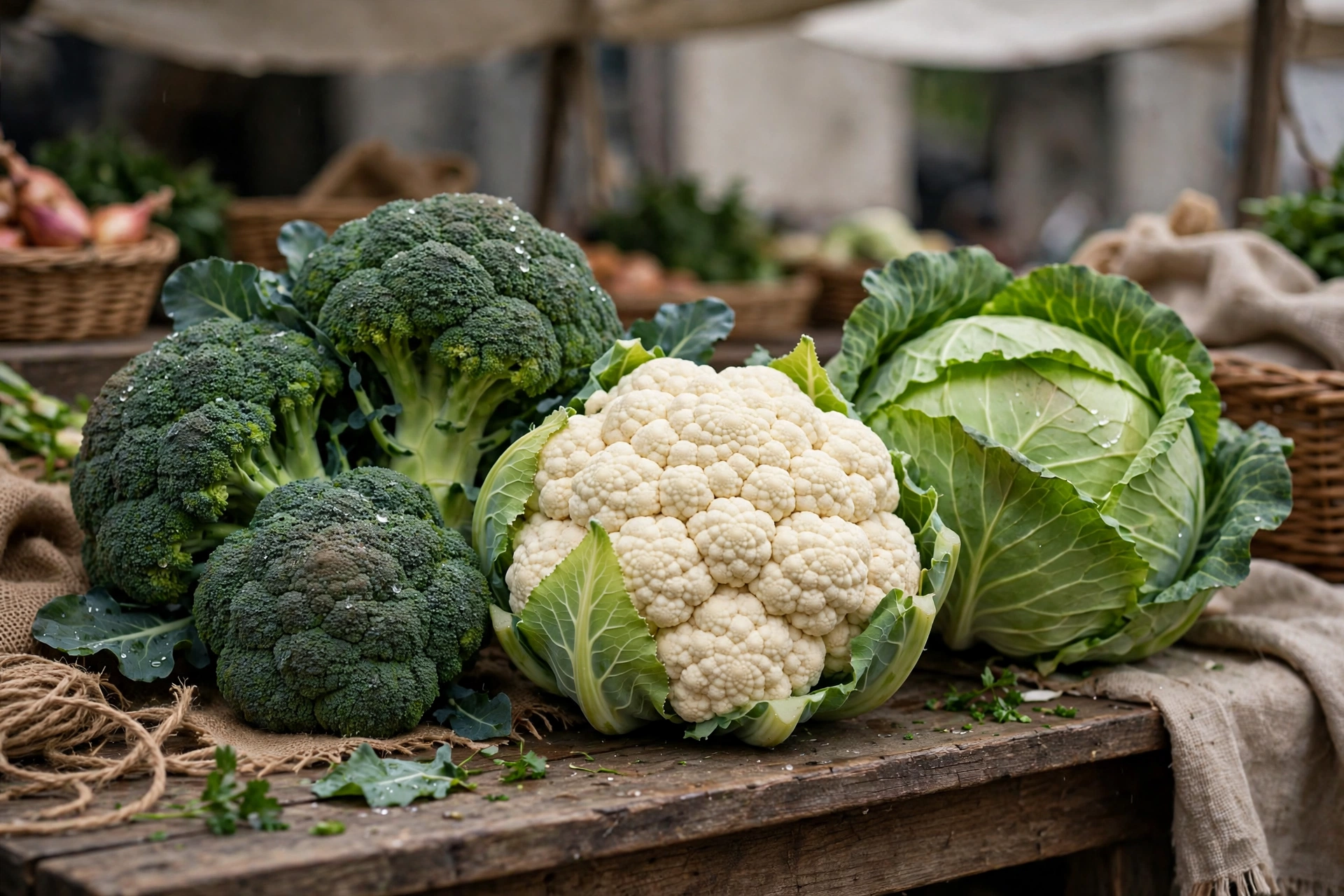 BroccoliCabbageCarrotsCauliflowerCornCucumberEggplant (Aubergine)
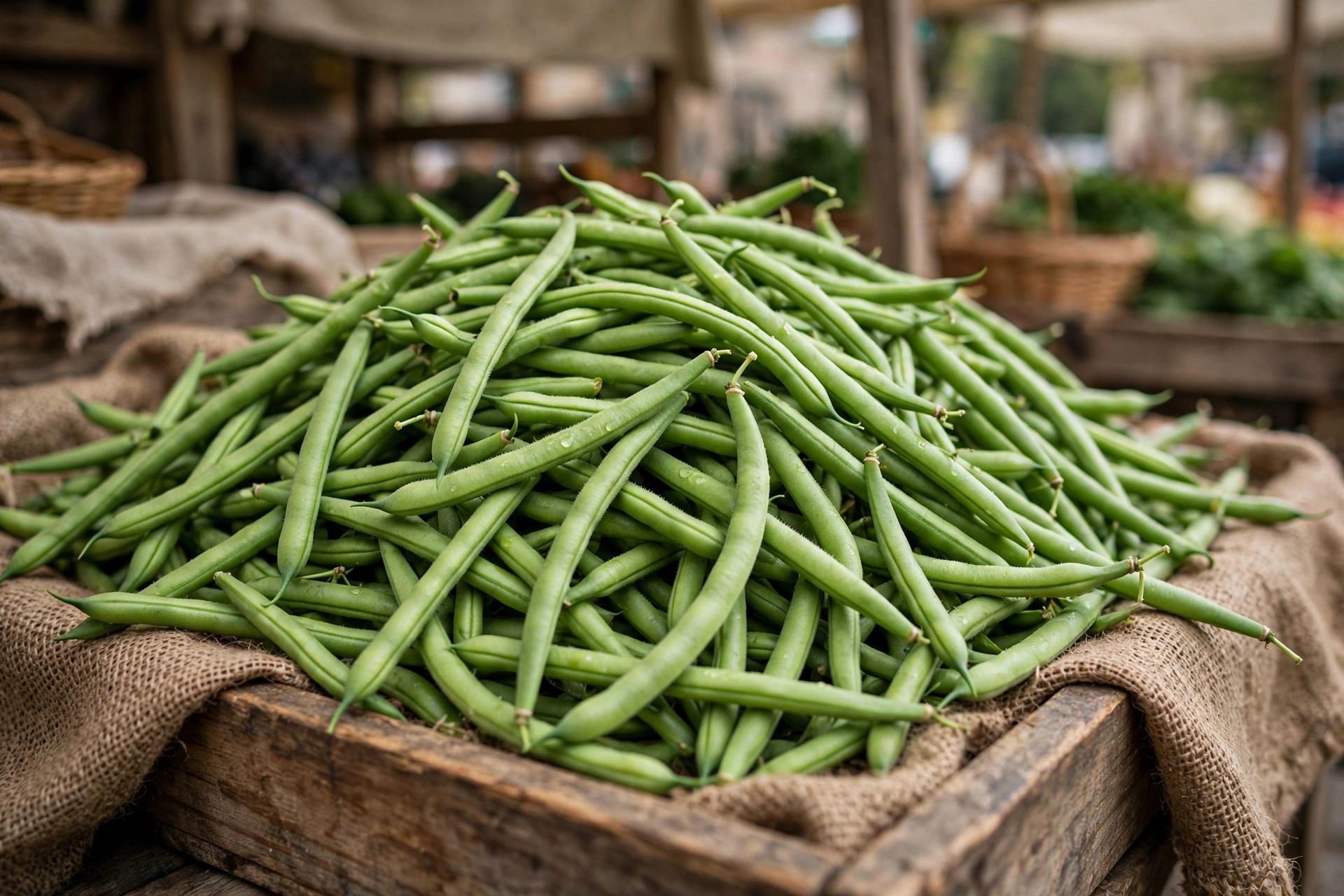 Green BeansLettuce & Salad Leaves
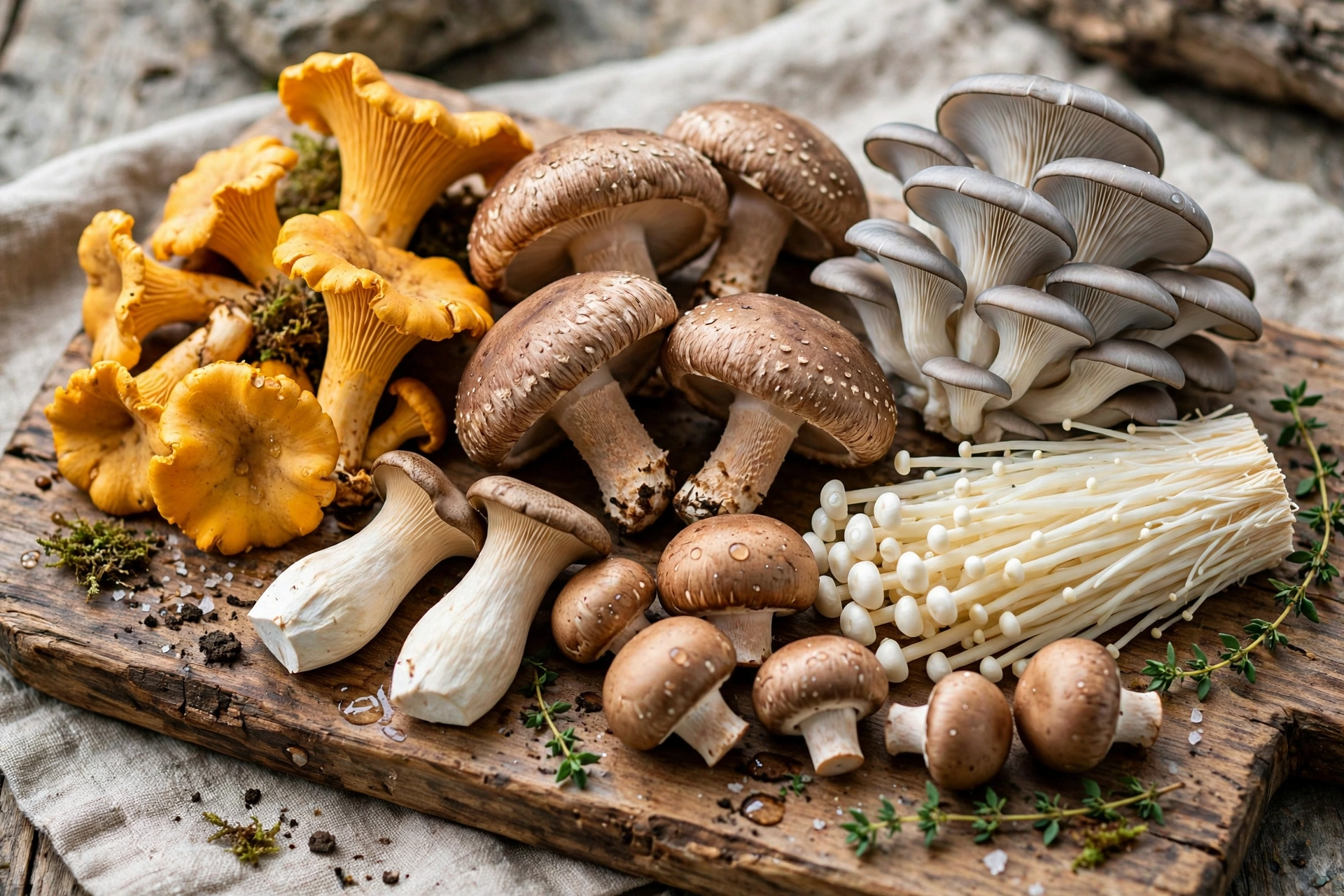 MushroomsOnionsPotato
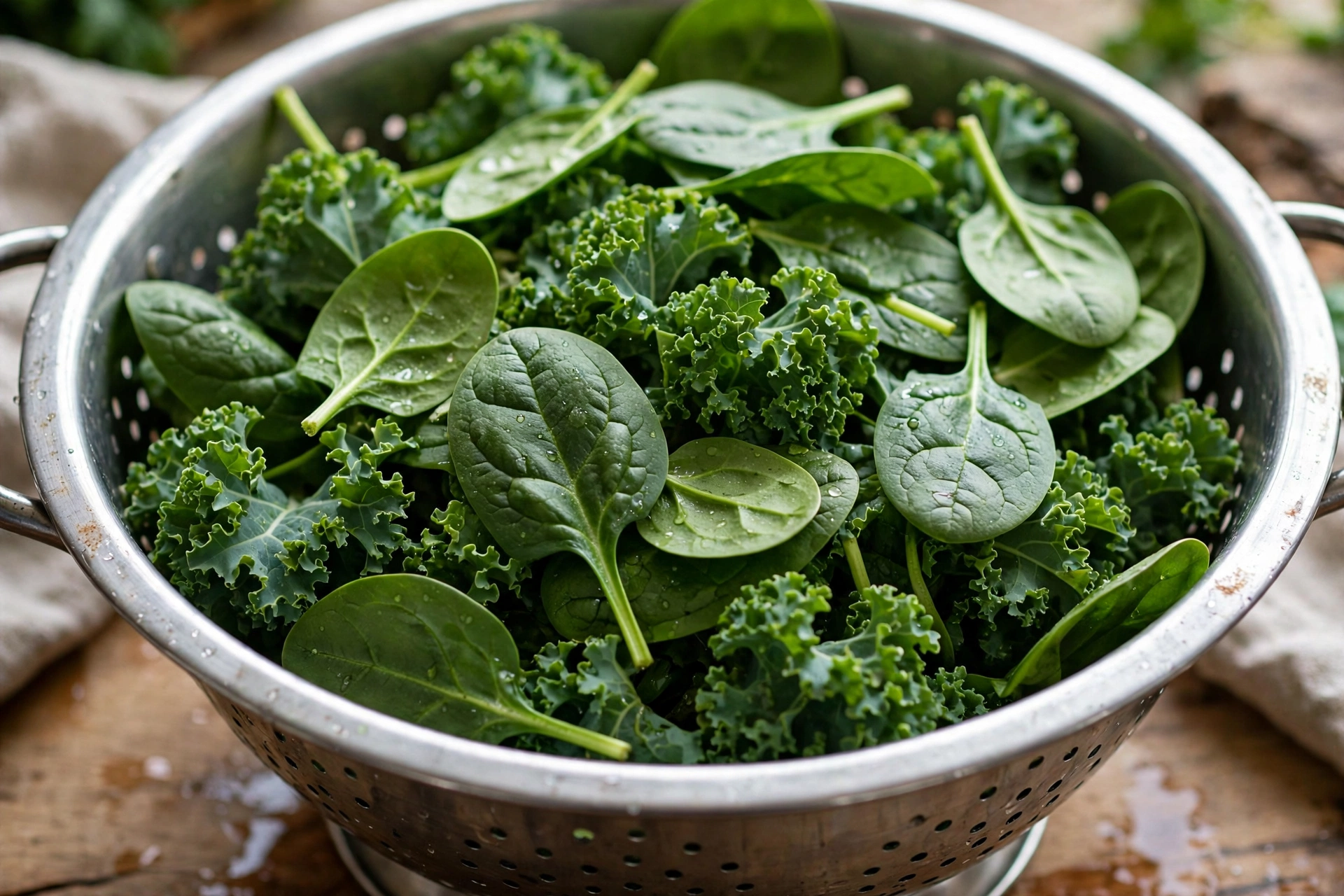 Spinach (Cooked)Sweet Potato
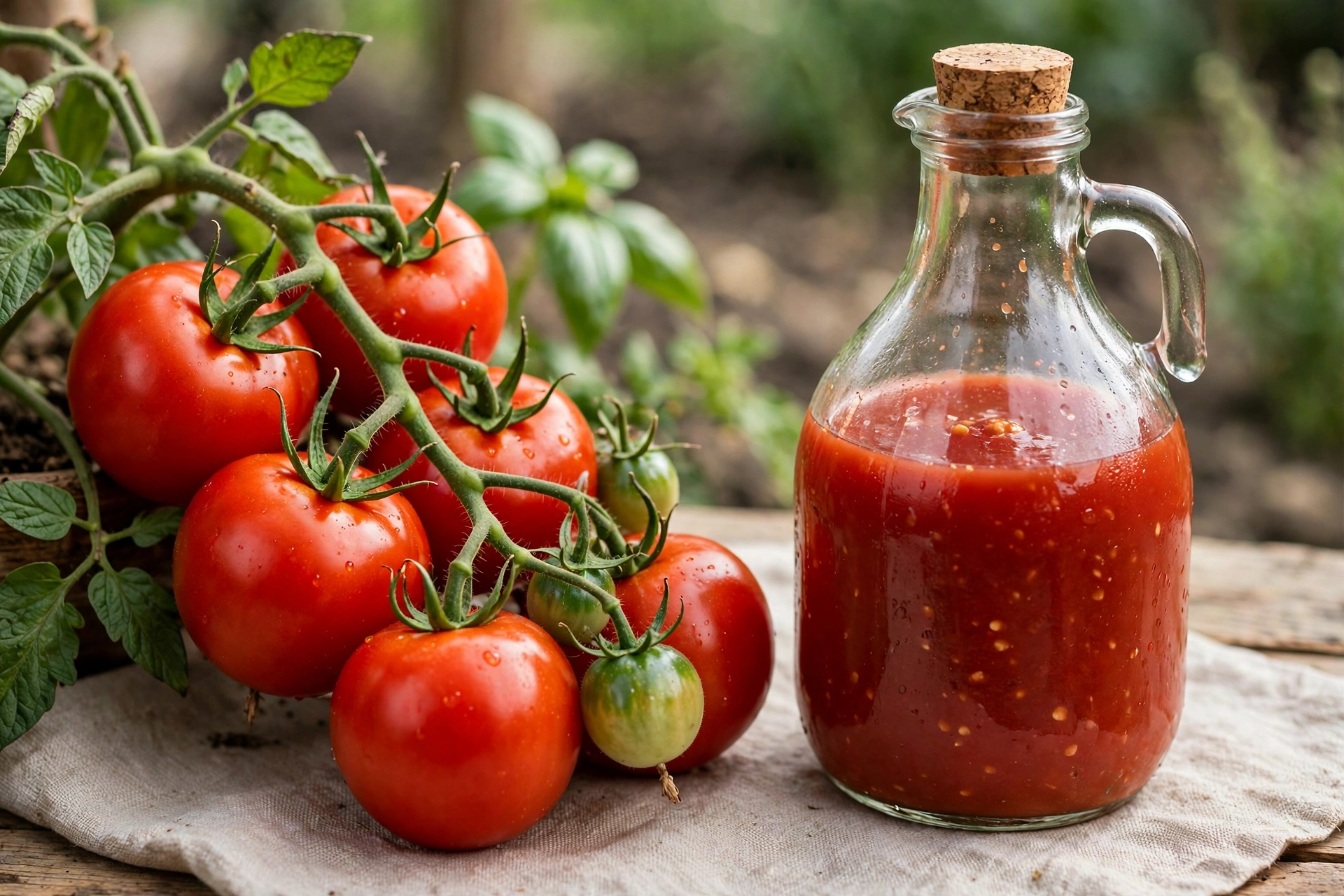 Tomatoes & Tomato SauceZucchini (Courgette)
Protein Foods
 Beef (Fresh)
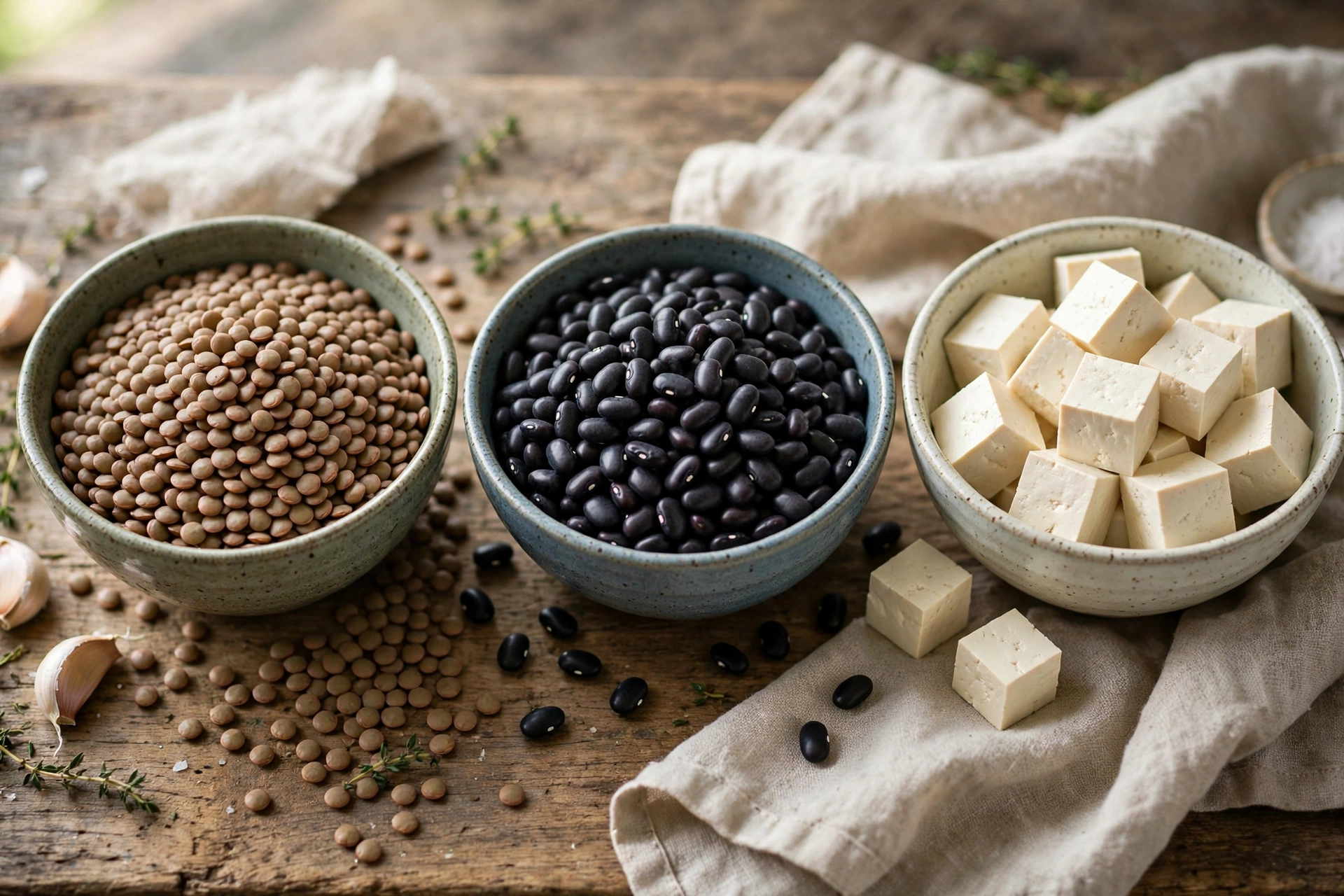 Black Beans
 Chicken Breast
 EggsLentils
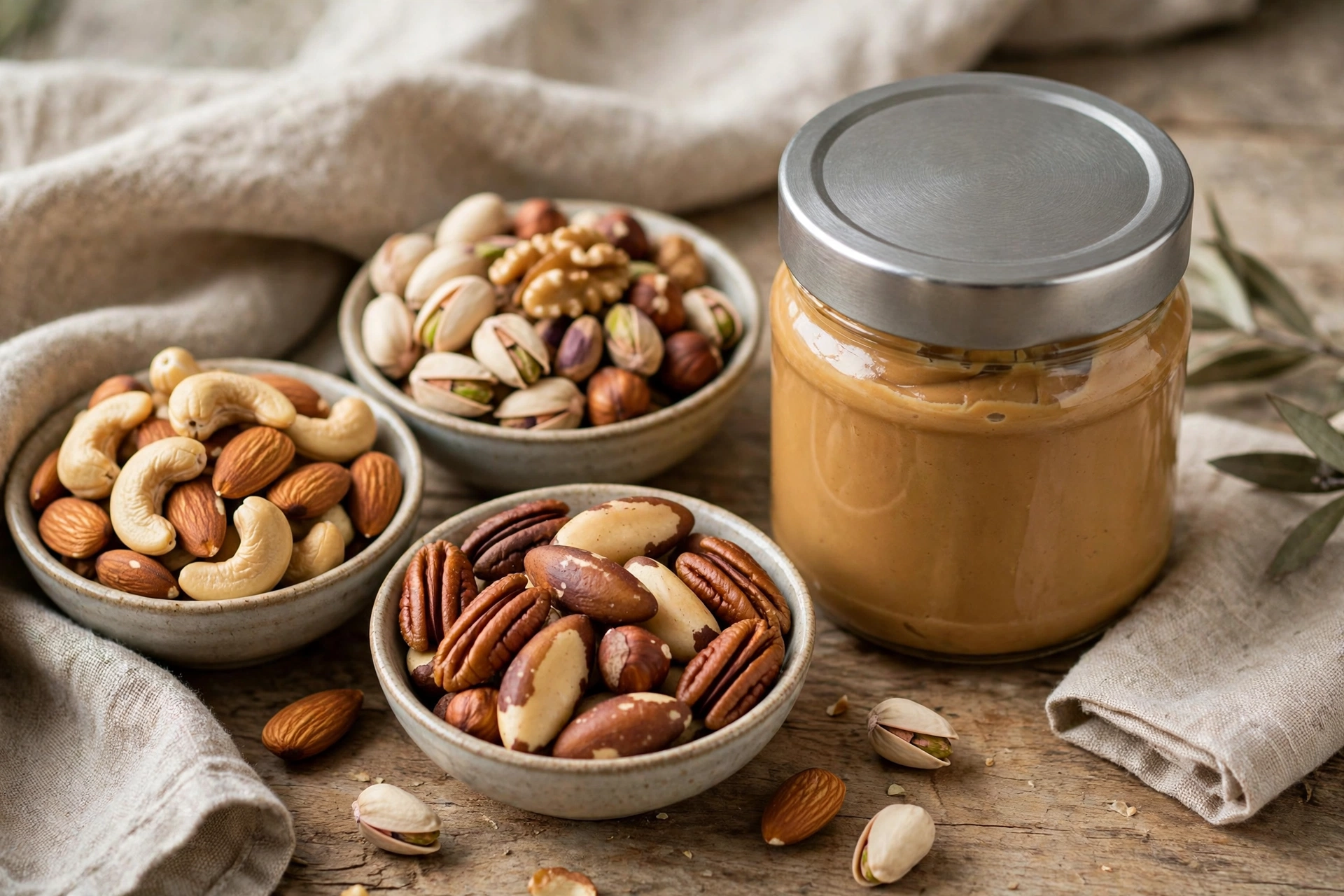 Peanut ButterPork (Fresh)
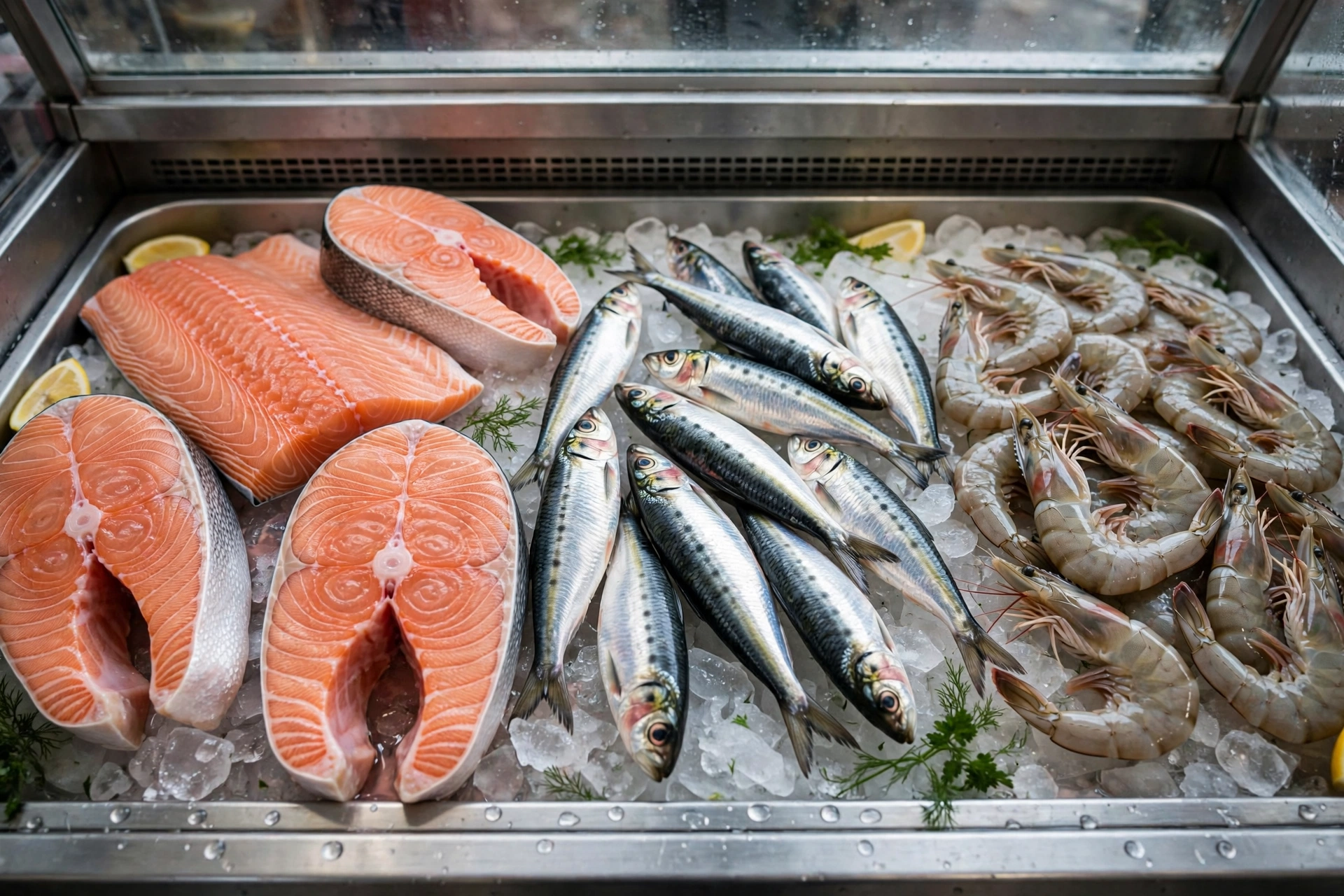 SalmonSardinesShrimp (Prawns)TofuTuna (Canned)
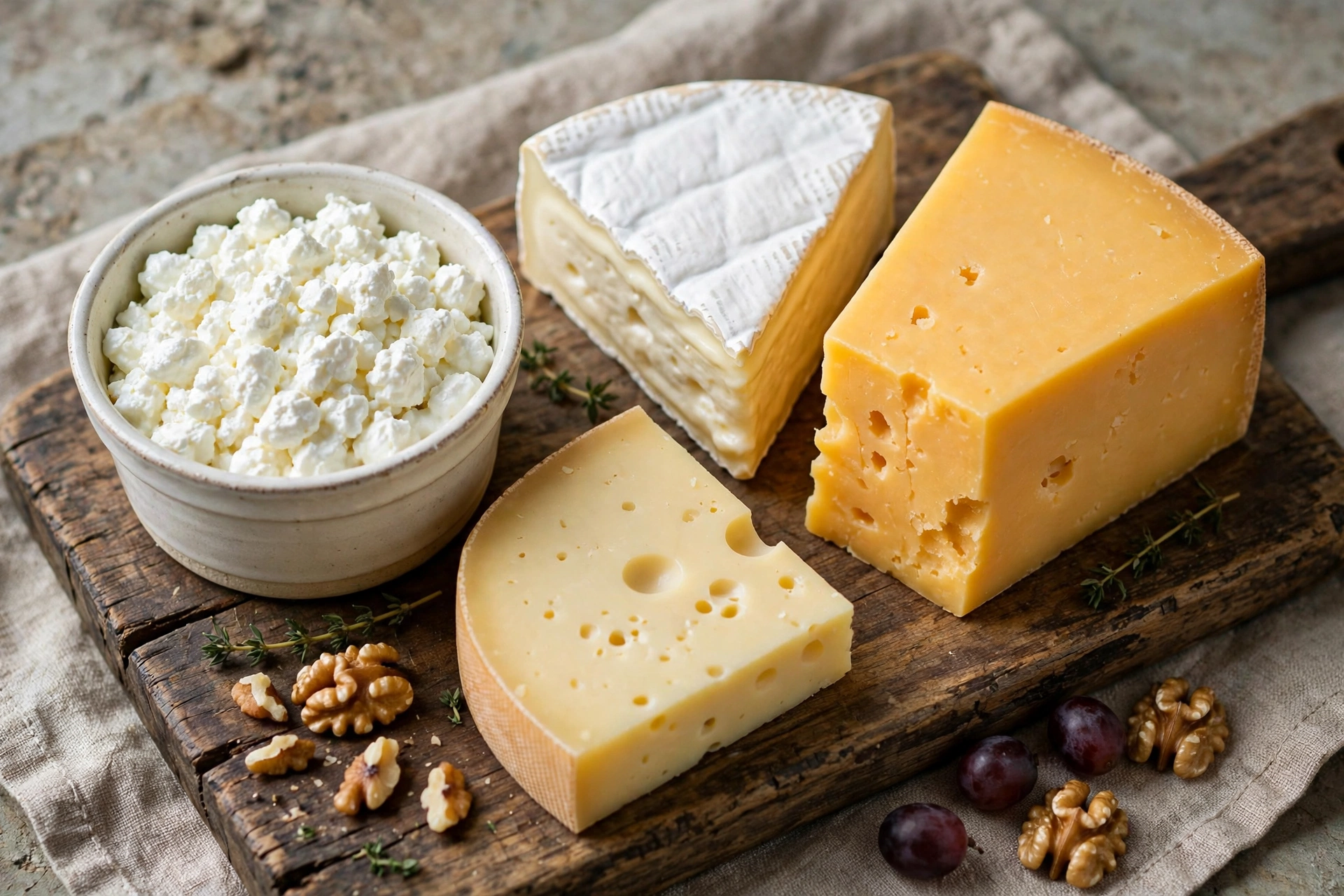
Dairy & Alternatives

Grains & Breads
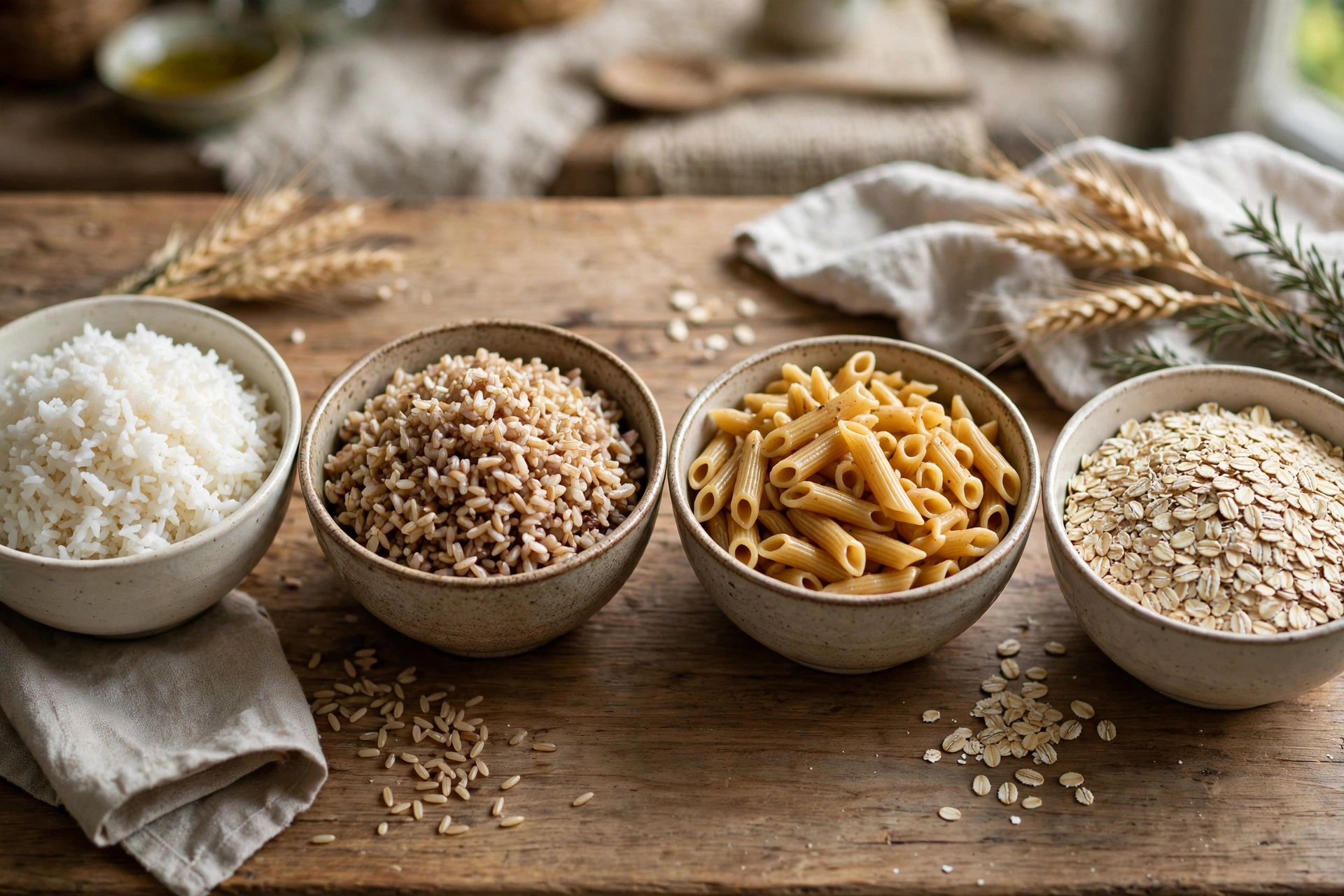 Brown Rice
 Corn TortillasOatmeal (Porridge)Pasta & Noodles
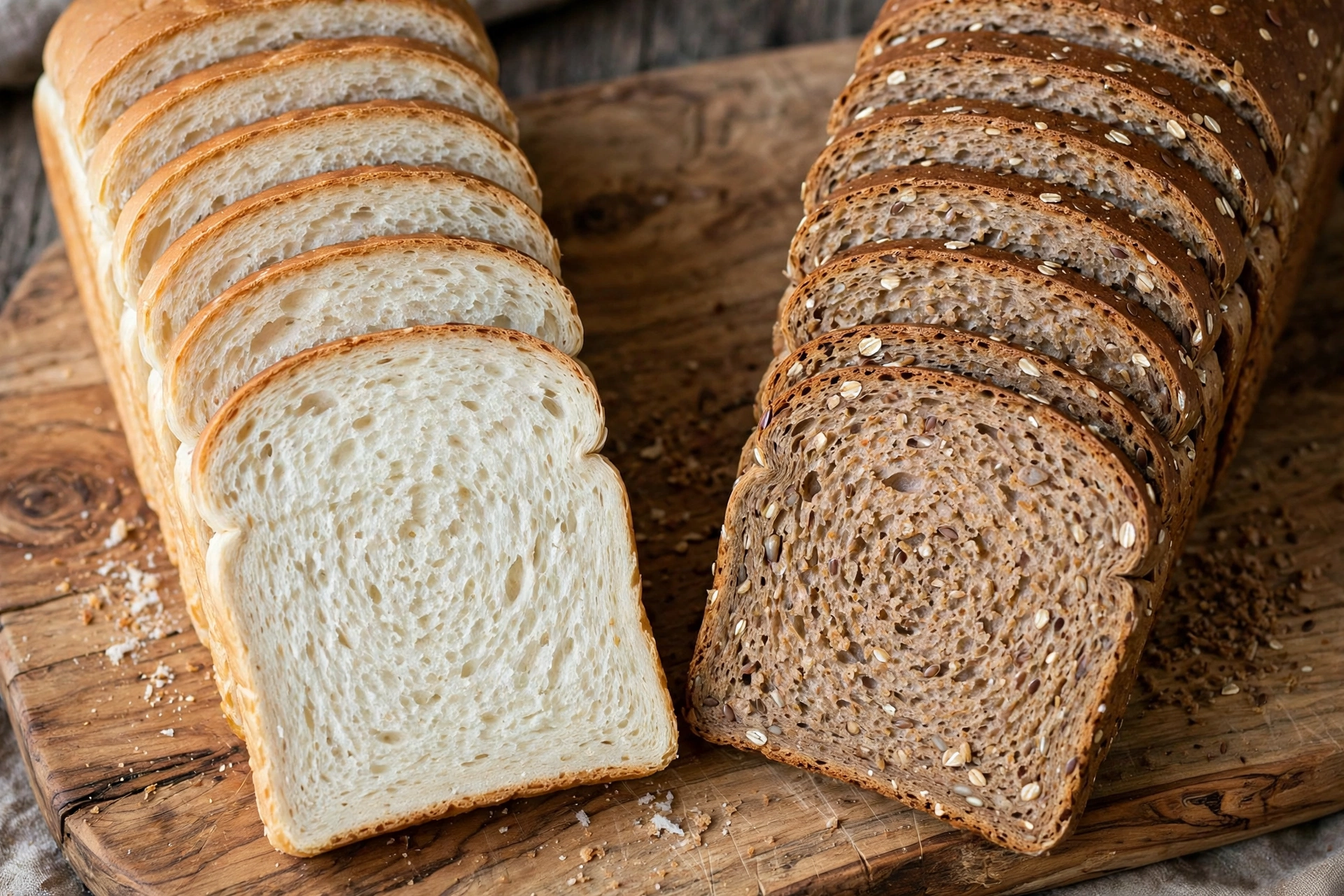
 Popcorn (Unsalted)White BreadWhite RiceWhole Wheat Bread
Drinks


Snacks, Sweets & Condiments
 Bacon
 Canned Soup
 ChocolateDeli Ham & Cold CutsKetchup
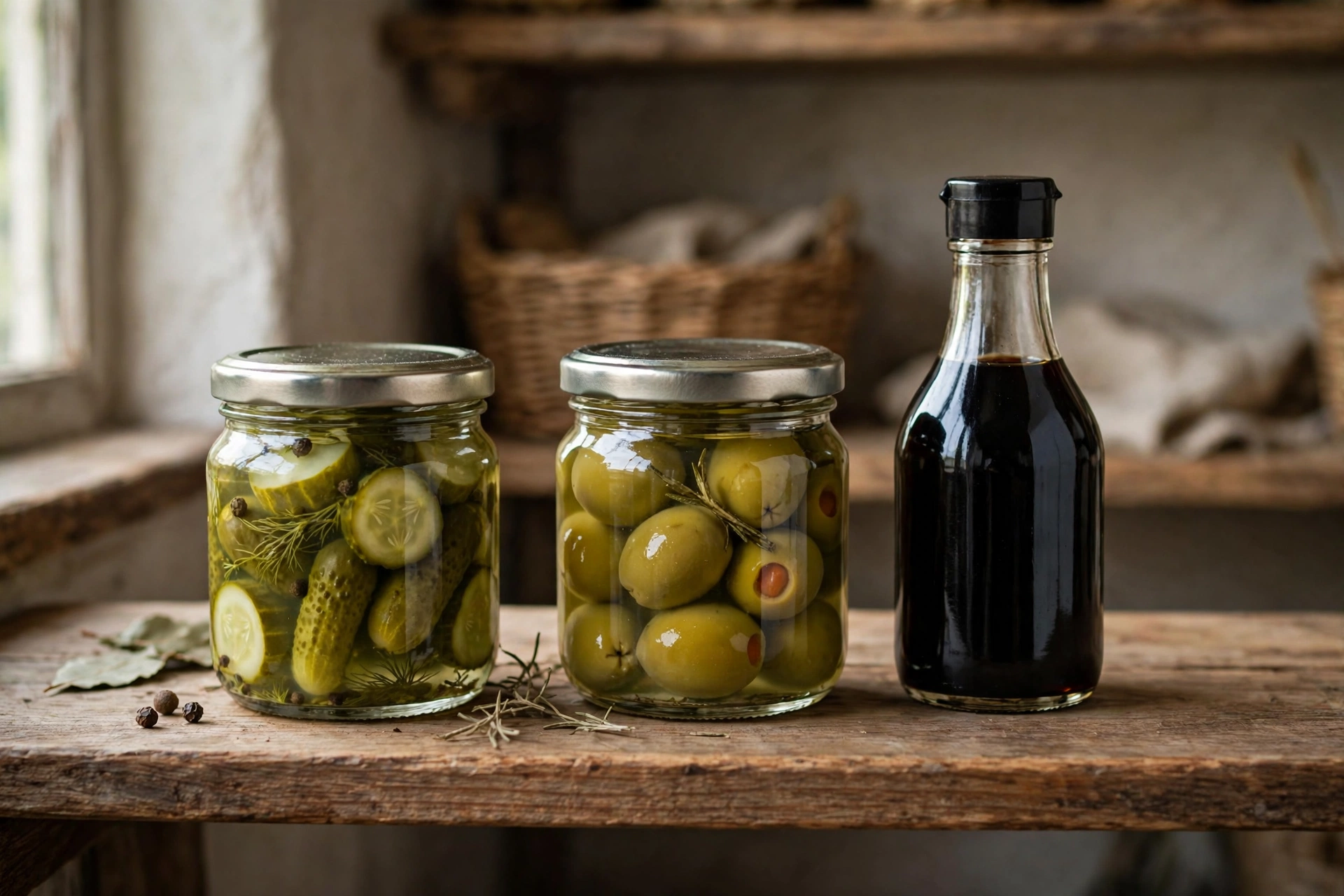 OlivesPicklesPotato Chips (Crisps)Salt Substitutes ('Lite Salt')Salted NutsSoy Sauce
Frequently asked questions
Is there one single 'kidney diet'?
No. Eating advice changes with your stage of kidney disease, whether you are on dialysis and which type, whether you have a transplant, and your own blood results. That is why this section is organised by situation first, then by nutrient and food. Your renal dietitian tailors the general pattern to you.
Do I have to give up all my favourite foods?
Usually not. Most kidney eating plans are about portions, frequency and swaps rather than bans: a smaller serving of a higher-potassium food, an unsalted version, or a lower-phosphorus alternative. The food pages in this section suggest a swap for every food.
Why do these pages use 'higher / moderate / lower' instead of exact numbers?
Nutrient content varies with variety, ripeness, brand and cooking method, and honest ranges matter more than false precision. Ratings here follow published National Kidney Foundation food guidance. Where a general daily figure is commonly recommended, the nutrient pages say so and credit the source.
These pages are general education about eating with kidney disease, dialysis or a kidney transplant. They are not medical advice and do not replace your own care plan. Kidney diets are individual: what is right for you depends on your stage, your blood tests, your medicines and your other conditions. Always talk to your care team or renal dietitian before changing what you eat, and never stop or change a medicine because of something you read here.