
- Physical Examination
- Surgical Examination
- Ophthalmology
- Clinical Skills
- Orthopedics
- Surgery Videos
- Laparoscopy
- Pediatrics
- Funny Videos
- Cardiothoracic Surgery
- Nursing Videos
- Plastic Surgery
- Otorhinolaryngology
- Histology and Histopathology
- Neurosurgery
- Dermatology
- Pediatric Surgery
- Urology
- Dentistry
- Oncology and Cancers
- Anatomy Videos
- Health and Fitness
- Radiology
- Anaesthesia
- Physical Therapy
- Pharmacology
- Interventional Radiology
- Cardiology
- Endocrinology
- Gynecology
- Emergency Medicine
- Psychiatry and Psychology
- Childbirth Videos
- General Medical Videos
- Nephrology
- Physiology
- Diet and Food Health
- Diabetes Mellitus
- Neurology
- Women Health
- Osteoporosis
- Gastroenterology
- Pulmonology
- Hematology
- Rheumatology
- Toxicology
- Nuclear Medicine
- Infectious Diseases
- Vascular Disease
- Reproductive Health
- Burns and Wound Healing
- Kidney Zone Podcast
- Other
Calcium and Your Kidneys
Calcium keeps bones strong. Kidney disease disturbs the balance between calcium, phosphorus and vitamin D, so more is not always better.
Why it matters in kidney disease
Calcium keeps bones and teeth strong and helps muscles and nerves work. Its level in the blood is controlled by a partnership between the gut, the bones, vitamin D and parathyroid hormone — and the kidneys sit in the middle of that partnership. In kidney disease the balance breaks down in both directions: phosphorus retention and poor vitamin D activation can drive calcium problems, bone disease and abnormal calcium deposits in vessels.
That is why calcium advice in kidney disease is not simply 'eat more'. Some people need calcium-rich foods encouraged; some people on dialysis are asked to limit calcium, including calcium-based phosphate binders counted as calcium intake. Stone formers, by contrast, are usually told to keep food calcium normal. Your blood tests decide.
Where it hides
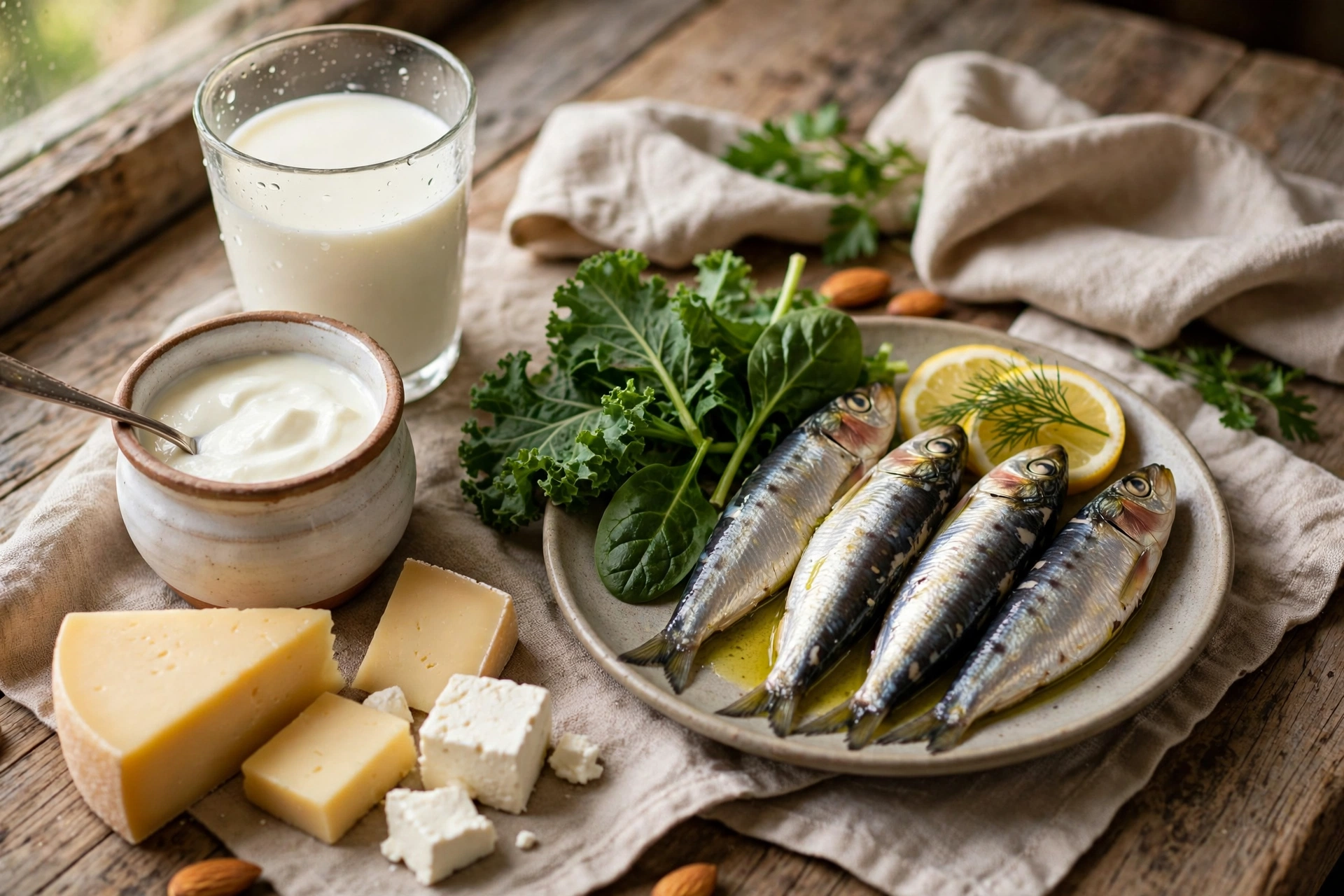
- Milk, yogurt, cheese and other dairy — the richest food sources
- Calcium-fortified plant milks, juices and cereals (check whether the added calcium suits your plan)
- Fish eaten with their bones: sardines, canned salmon
- Calcium supplements and antacids containing calcium — easy to double up without realising
- Some phosphate binders are calcium salts — your team counts these in your total
Practical swaps
- If you need more food calcium → dairy with meals, or calcium-set tofu and fortified alternatives your team approves
- If you need less → unenriched rice milk instead of milk, smaller and less frequent cheese, and check fortified products before buying
- For stone prevention → eat your calcium with oxalate-containing meals (a yogurt with a spinach dish) so the two bind in the gut
- Scattered supplements → one reviewed list: bring every supplement and antacid you take to your appointment
Related conditions
Watch: related videos
Frequently asked questions
Should I take a calcium supplement for my bones?
Not without asking. In kidney disease, extra calcium can contribute to deposits in blood vessels, and calcium also interacts with phosphate binders and other medicines. Bone protection in CKD is a package — phosphorus control, vitamin D as prescribed, activity and sometimes specific medicines. Ask your team to assess your bones rather than self-prescribing.
I form calcium stones. Does calcium still help me?
Calcium from food, yes — usually. Eaten with meals, it binds oxalate in the gut and lowers stone risk; the National Kidney Foundation suggests about 1,000–1,200 mg a day from food for adults preventing calcium stones. Cutting food calcium can backfire. See the kidney stone guide in this section.
These pages are general education about eating with kidney disease, dialysis or a kidney transplant. They are not medical advice and do not replace your own care plan. Kidney diets are individual: what is right for you depends on your stage, your blood tests, your medicines and your other conditions. Always talk to your care team or renal dietitian before changing what you eat, and never stop or change a medicine because of something you read here.