
- Physical Examination
- Surgical Examination
- Ophthalmology
- Clinical Skills
- Orthopedics
- Surgery Videos
- Laparoscopy
- Pediatrics
- Funny Videos
- Cardiothoracic Surgery
- Nursing Videos
- Plastic Surgery
- Otorhinolaryngology
- Histology and Histopathology
- Neurosurgery
- Dermatology
- Pediatric Surgery
- Urology
- Dentistry
- Oncology and Cancers
- Anatomy Videos
- Health and Fitness
- Radiology
- Anaesthesia
- Physical Therapy
- Pharmacology
- Interventional Radiology
- Cardiology
- Endocrinology
- Gynecology
- Emergency Medicine
- Psychiatry and Psychology
- Childbirth Videos
- General Medical Videos
- Nephrology
- Physiology
- Diet and Food Health
- Diabetes Mellitus
- Neurology
- Women Health
- Osteoporosis
- Gastroenterology
- Pulmonology
- Hematology
- Rheumatology
- Toxicology
- Nuclear Medicine
- Infectious Diseases
- Vascular Disease
- Reproductive Health
- Burns and Wound Healing
- Kidney Zone Podcast
- Other
Sodium and Your Kidneys
Sodium is the part of salt that drives thirst, swelling and blood pressure — and damaged kidneys struggle to remove it.
Why it matters in kidney disease
Sodium is the part of salt that holds water in the body. Healthy kidneys filter out the excess; damaged kidneys cannot keep up, so sodium builds up, pulling fluid with it. The results are the familiar triad of kidney disease: high blood pressure, swelling in the ankles and face, and breathlessness when fluid reaches the lungs.
Sodium also drives thirst, which is why cutting it is the kindest thing a person on a fluid allowance can do for themselves. Most adults with CKD are commonly advised to aim for less than 2,300 mg of sodium a day (National Kidney Foundation guidance) — roughly the sodium in one teaspoon of salt from all food and drink combined. Your own team may set a lower or different goal.
Where it hides
- Bread and rolls — not very salty-tasting, but eaten often, so a major source
- Processed meats: bacon, ham, sausages, deli slices, hot dogs
- Cheese, especially processed and hard cheeses
- Canned soups, packet soups, stock cubes and gravy granules
- Sauces and condiments: soy sauce, ketchup, bottled dressings, ready-made cooking sauces
- Ready meals, takeaways, pizza and restaurant food
- Salted snacks: crisps, salted nuts, pretzels
- Pickles, olives and brined foods
Practical swaps
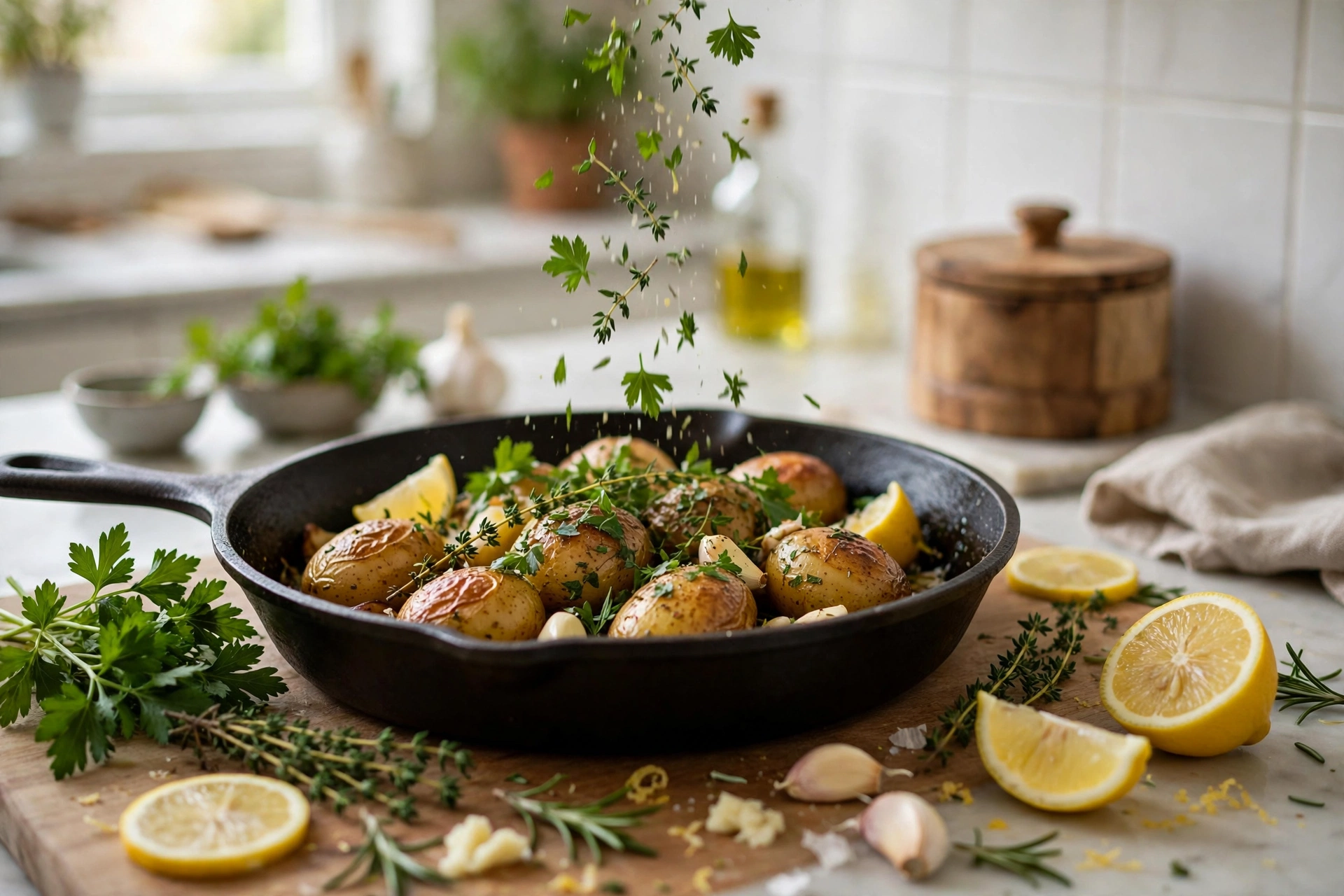
- Salt at the table and in cooking → fresh herbs, garlic, lemon, vinegar, and salt-free spice blends (check they are not potassium-based)
- Stock cubes and bottled sauces → homemade or low-salt versions, or flavour from roasted vegetables and herbs
- Deli meats and bacon → freshly cooked chicken, turkey, fish or eggs
- Canned vegetables in brine → frozen or fresh vegetables, or canned ones rinsed well
- Salted snacks → unsalted popcorn, unsalted nuts (if your potassium allows), rice cakes
- Regular bread-heavy lunches → vary with rice, pasta or potato dishes made without added salt (mind potassium if limited)
Related conditions
Related symptoms
Watch: related videos
Frequently asked questions
Can I use a 'lite' or low-sodium salt instead?
Be very careful. Most salt substitutes replace sodium with potassium chloride. For someone with kidney disease whose potassium runs high — or who takes medicines that raise potassium — that swap can be dangerous. Do not use any salt substitute unless your kidney team has specifically said it is safe for you.
How long until food tastes normal without salt?
Taste buds adapt surprisingly fast — most people find food tastes properly seasoned again within a few weeks of cutting sodium, especially when herbs, spices, garlic, citrus and vinegar step in. Restaurants and ready meals will start to taste noticeably salty, which is a useful built-in alarm.
These pages are general education about eating with kidney disease, dialysis or a kidney transplant. They are not medical advice and do not replace your own care plan. Kidney diets are individual: what is right for you depends on your stage, your blood tests, your medicines and your other conditions. Always talk to your care team or renal dietitian before changing what you eat, and never stop or change a medicine because of something you read here.