
- Physical Examination
- Surgical Examination
- Ophthalmology
- Clinical Skills
- Orthopedics
- Surgery Videos
- Laparoscopy
- Pediatrics
- Funny Videos
- Cardiothoracic Surgery
- Nursing Videos
- Plastic Surgery
- Otorhinolaryngology
- Histology and Histopathology
- Neurosurgery
- Dermatology
- Pediatric Surgery
- Urology
- Dentistry
- Oncology and Cancers
- Anatomy Videos
- Health and Fitness
- Radiology
- Anaesthesia
- Physical Therapy
- Pharmacology
- Interventional Radiology
- Cardiology
- Endocrinology
- Gynecology
- Emergency Medicine
- Psychiatry and Psychology
- Childbirth Videos
- General Medical Videos
- Nephrology
- Physiology
- Diet and Food Health
- Diabetes Mellitus
- Neurology
- Women Health
- Osteoporosis
- Gastroenterology
- Pulmonology
- Hematology
- Rheumatology
- Toxicology
- Nuclear Medicine
- Infectious Diseases
- Vascular Disease
- Reproductive Health
- Burns and Wound Healing
- Kidney Zone Podcast
- Other
Ankle arthroscopy / fusion consult procedures: What to Expect & Recovery
This guide covers two very different ankle operations: keyhole arthroscopy, with recovery in weeks, and ankle fusion, which trades ankle movement for pain relief and protects the joint in a cast or boot for around three months. Your discharge letter will make clear which path you are on.
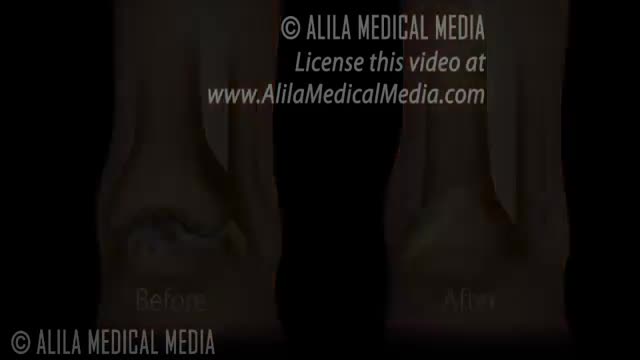
Before surgery: how to prepare
- Ask explicitly which operation you are having and what weight-bearing rules will apply — they differ completely between arthroscopy and fusion.
- Prepare crutches, a downstairs living plan and help at home; after fusion, the ankle must be protected for weeks.
- Stop smoking if you can: fusion literally requires bone to grow across the joint, and smoking significantly raises the risk of it failing to unite.
- Review medicines and follow fasting instructions as for other orthopaedic surgery.
The day of surgery
For arthroscopy, a camera and instruments enter through small cuts to treat cartilage damage, loose fragments or impingement. For fusion, the surgeon removes the remaining joint cartilage, positions the foot at the correct angle and fixes the bones with screws or plates so they grow together. You wake with a bandage (arthroscopy) or a cast/boot (fusion).
In hospital
Recovery timeline
Every recovery is individual, but most follow this general arc:
Warning signs: when to get help
- Toes becoming pale, blue, cold or numb, or pain suddenly much worse (cast too tight or circulation problem — urgent help)
- The cast becoming wet, cracked or rubbing, or an unpleasant smell from under it
- Fever, wound redness or increasing pain (infection)
- Calf pain or swelling
- After arthroscopy: the ankle becoming hot, stiff and more painful after initial improvement
Related topics
Watch: real operation videos
From the MedicalVideos library. Some surgical videos are graphic and intended for education.
Frequently asked questions
Will I walk normally after an ankle fusion?
Most people walk comfortably on flat ground with a near-normal gait, because the midfoot compensates for the lost ankle motion. Uneven ground, ladders and running are harder. The bargain is deliberate: a stiff but pain-free ankle in place of a mobile but painful one.
Why does fusion take so long to heal?
The bones must grow together across the joint — biological welding that takes about 10 to 12 weeks of protection before full loading is safe. X-rays at follow-up confirm progress; smoking, diabetes and early weight-bearing are the commonest threats to union.
Medically reviewed by Dr. Mohamed Ibrahim, Assistant Professor of Medicine, Transplant Nephrology, University of Maryland School of Medicine. Last reviewed: 12 November 2026.