
- Physical Examination
- Surgical Examination
- Ophthalmology
- Clinical Skills
- Orthopedics
- Surgery Videos
- Laparoscopy
- Pediatrics
- Funny Videos
- Cardiothoracic Surgery
- Nursing Videos
- Plastic Surgery
- Otorhinolaryngology
- Histology and Histopathology
- Neurosurgery
- Dermatology
- Pediatric Surgery
- Urology
- Dentistry
- Oncology and Cancers
- Anatomy Videos
- Health and Fitness
- Radiology
- Anaesthesia
- Physical Therapy
- Pharmacology
- Interventional Radiology
- Cardiology
- Endocrinology
- Gynecology
- Emergency Medicine
- Psychiatry and Psychology
- Childbirth Videos
- General Medical Videos
- Nephrology
- Physiology
- Diet and Food Health
- Diabetes Mellitus
- Neurology
- Women Health
- Osteoporosis
- Gastroenterology
- Pulmonology
- Hematology
- Rheumatology
- Toxicology
- Nuclear Medicine
- Infectious Diseases
- Vascular Disease
- Reproductive Health
- Burns and Wound Healing
- Kidney Zone Podcast
- Other
Surgery: What to Expect & Recovery
An operation is easier to face when you know what the days and weeks afterwards usually look like. This section walks through ninety common operations and procedures — what to do before surgery, what typically happens on the day, how long people usually stay in hospital, a phase-by-phase recovery timeline, and the warning signs that should prompt a call to the surgical team. Every guide links to the matching page in our Procedures & Tests library, where the operation itself is explained step by step, and to real operation videos from the MedicalVideos library. Timings are typical ranges drawn from hospital and health-service patient guides — your own team's instructions always come first.
Browse by type of surgery
Abdominal & Digestive Surgery
 Adrenalectomy
 Appendicectomy (appendix removal)
 Bariatric surgery (gastric bypass / sleeve gastrectomy)
 Colectomy (bowel resection)
 Gallbladder removal (cholecystectomy)
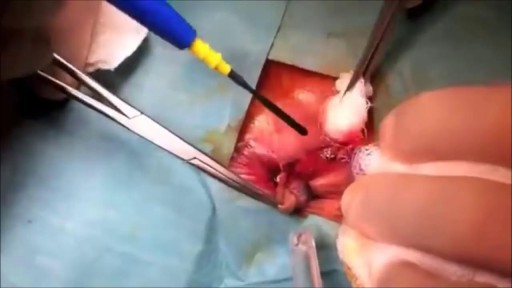 Haemorrhoid surgery (haemorrhoidectomy)
 Hernia repair (inguinal)
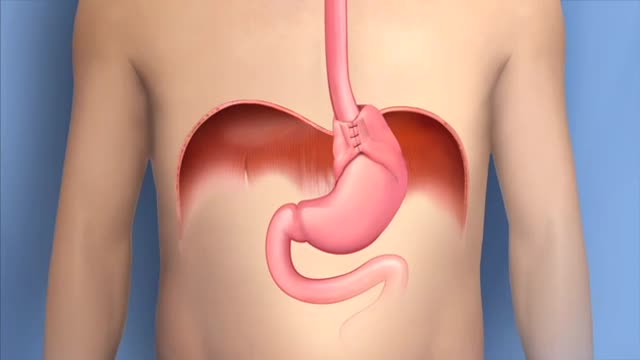 Laparoscopic fundoplication (anti-reflux surgery)
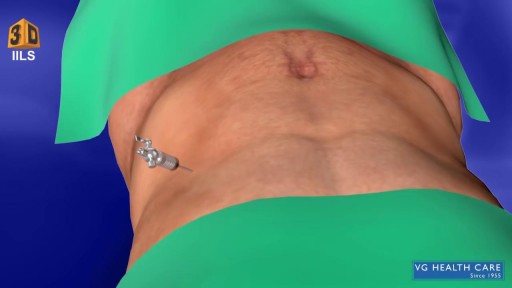 Laparoscopy (diagnostic)
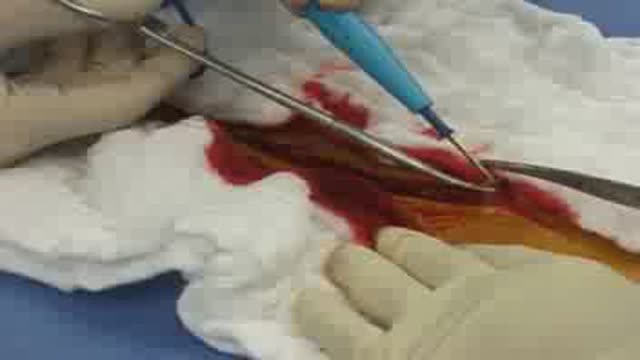 Open abdominal surgery (laparotomy)
 Pilonidal sinus surgery
 Rectal surgery / anterior resection
 Splenectomy
 Stoma formation (colostomy / ileostomy)
Heart & Vascular Surgery
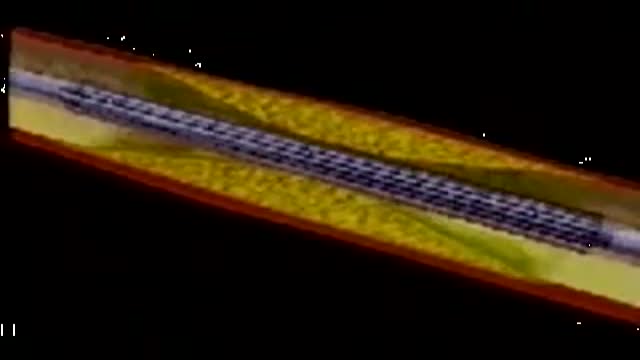 Angioplasty and stent (PCI)
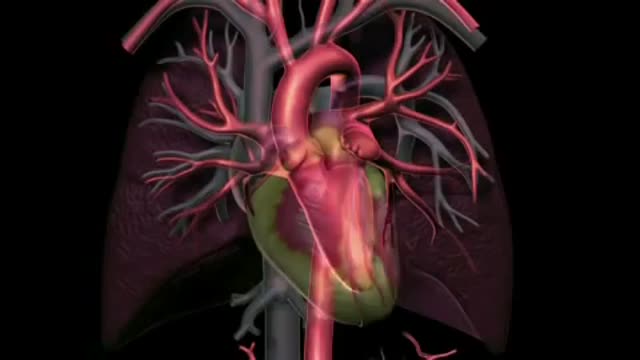 Cardiac ablation (catheter ablation)
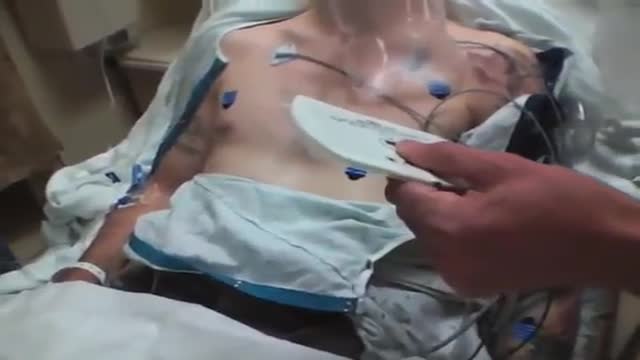 Cardioversion (DC shock treatment)
 Carotid endarterectomy
 Coronary artery bypass graft (CABG)
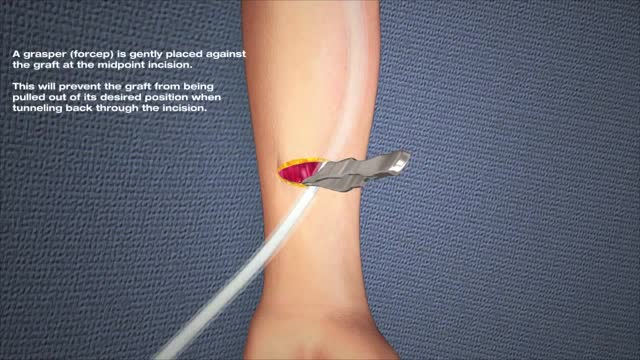 Dialysis fistula creation (AV fistula surgery)
 Heart valve replacement / repair surgery
 Implantable cardioverter defibrillator (ICD)
 Pacemaker implantation
 Peripheral angiography and angioplasty (leg arteries)
 TAVI (transcatheter aortic valve implantation)
 Varicose vein procedures
Bones, Joints & Hands
 ACL reconstruction
 Ankle arthroscopy / fusion consult procedures
 Arthroscopy (keyhole joint surgery)
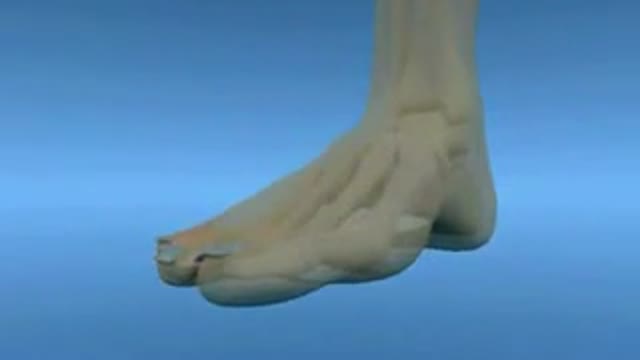 Bunion surgery (hallux valgus correction)
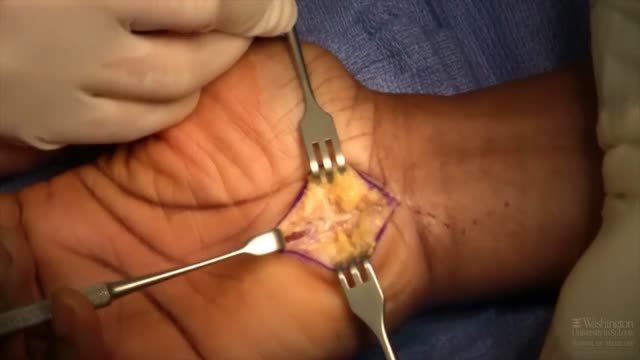 Carpal tunnel release
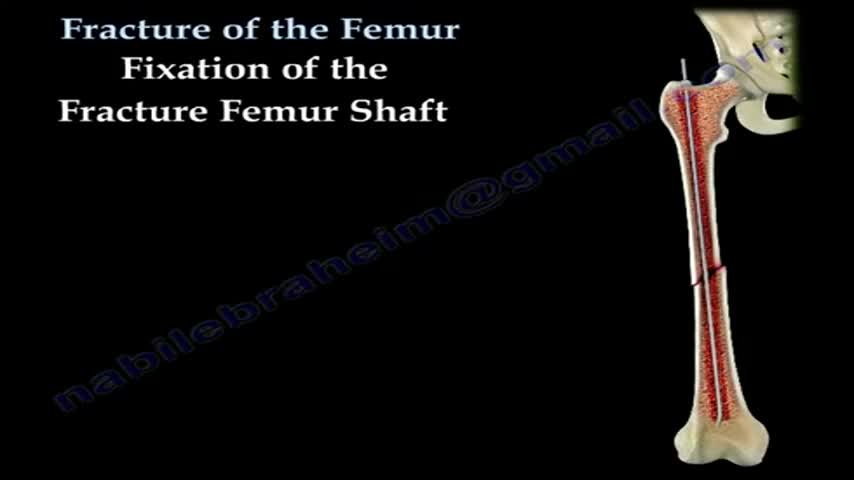 Fracture fixation surgery (ORIF)
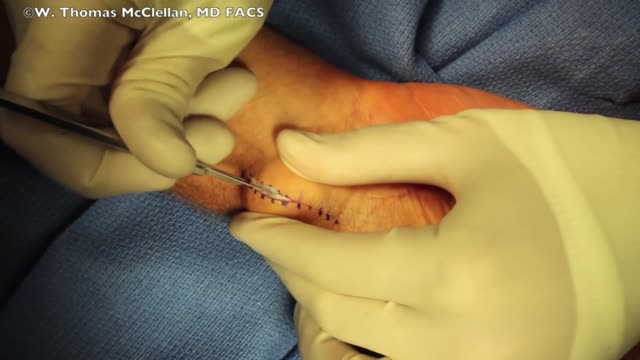 Ganglion excision
 Hip arthroscopy
 Hip fracture surgery
 Knee arthroscopy and meniscectomy
 Shoulder arthroscopy and rotator cuff repair
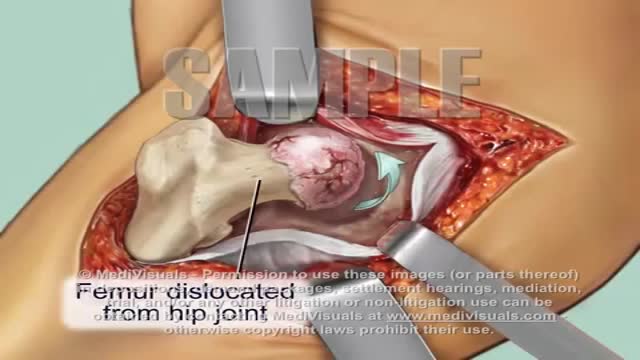 Total hip replacement
 Total knee replacement
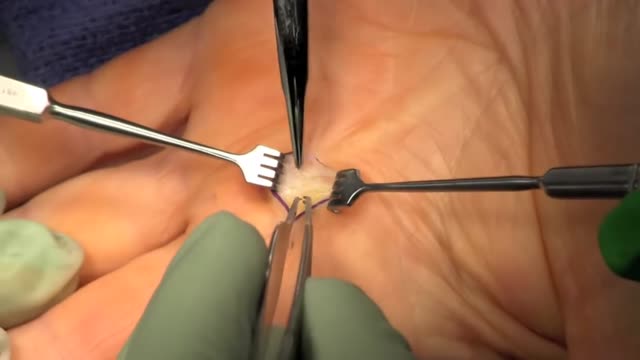 Trigger finger release
Brain & Spine Surgery
Eye Surgery
 Cataract surgery (phacoemulsification)
 Corneal cross-linking
 Entropion / ectropion repair
 Eyelid surgery (blepharoplasty / ptosis repair)
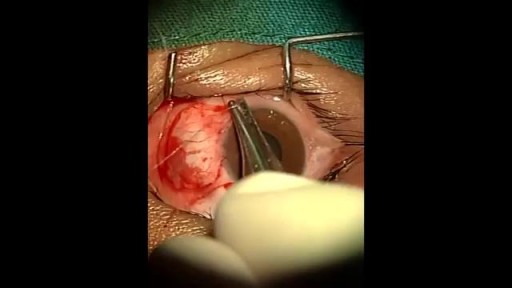 Pterygium excision
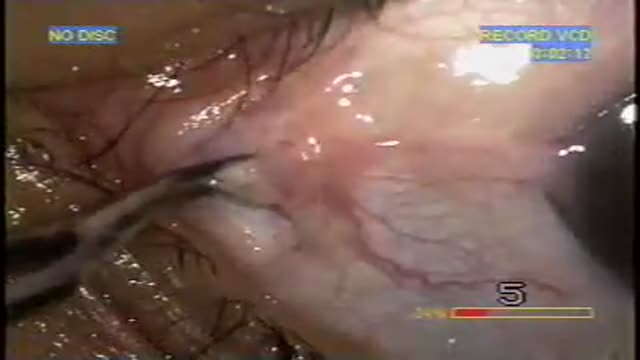 Strabismus (squint) surgery
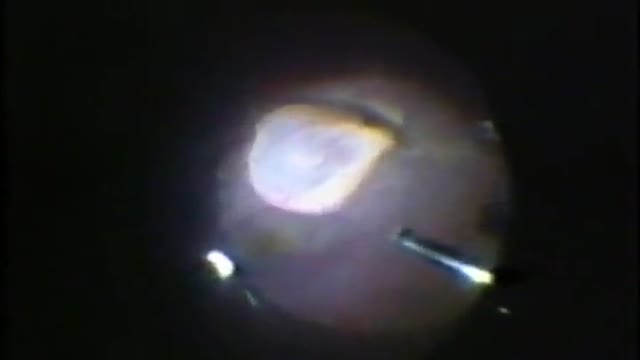 Vitrectomy
Ear, Nose & Throat
Urology & Kidney Surgery
 Bladder stone removal (cystolitholapaxy)
 Circumcision
 Hydrocele / varicocele repair
 Kidney stone surgery (ureteroscopy and laser)
 Kidney transplant surgery
 Laser prostate surgery (HoLEP / GreenLight)
 Meatotomy / urethral dilatation and urethrotomy
 Native nephrectomy (kidney removal)
 Nephrostomy insertion
 Orchidectomy (testicle removal)
 Percutaneous nephrolithotomy (PCNL)
 Prostatectomy (radical prostate removal)
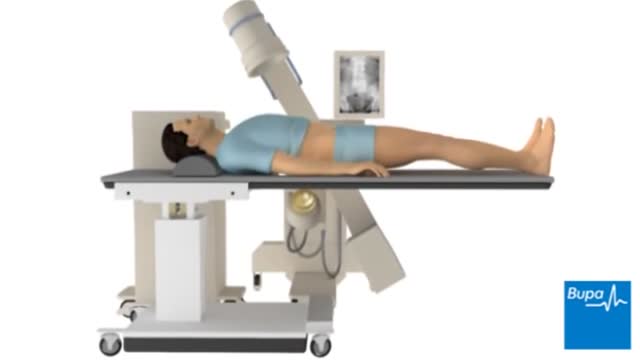 Shockwave lithotripsy (ESWL)
 TURP (prostate resection)
 Testicular torsion surgery (emergency)
 Vasectomy
Women's Surgery
 Bartholin's cyst/abscess treatment (marsupialisation)
 Caesarean section
 Cervical cerclage (stitch)
 Dilatation and curettage (D&C)
 Endometrial ablation
 Hysterectomy (abdominal / vaginal / laparoscopic)
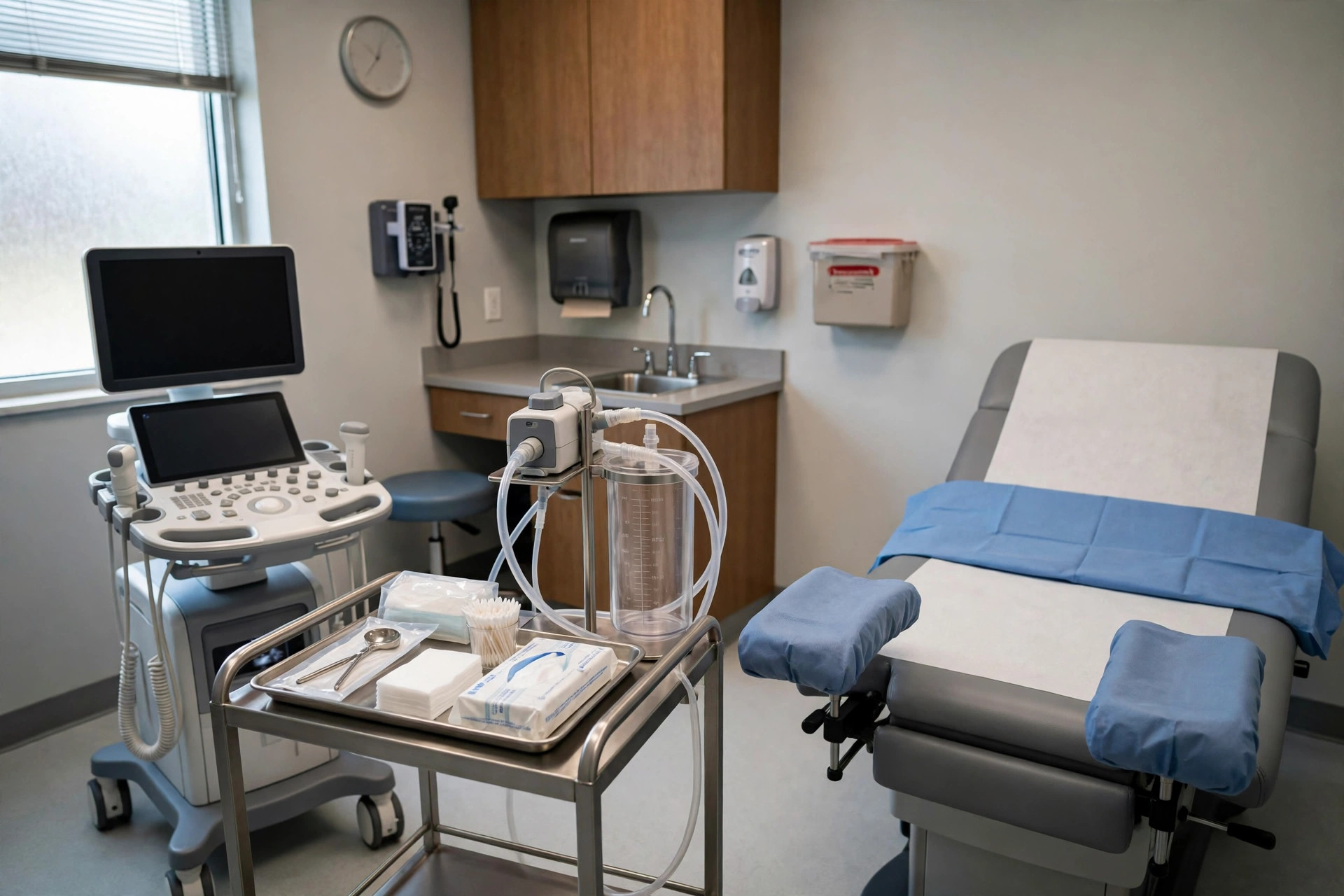 Manual vacuum aspiration (MVA)
 Myomectomy (fibroid removal)
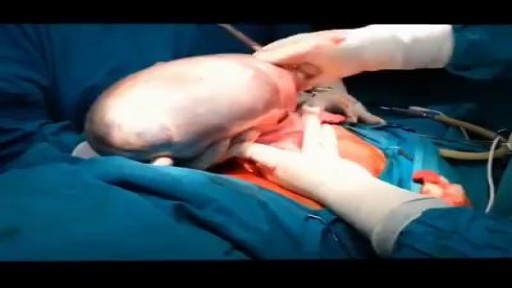 Ovarian cystectomy / oophorectomy
 Surgical management of miscarriage (ERPC)
 Tubal ligation / sterilisation
General & Other Surgery
 Chest drain insertion
 ERCP
 Incision and drainage (I&D) of an abscess
 Ingrowing toenail surgery (partial nail avulsion)
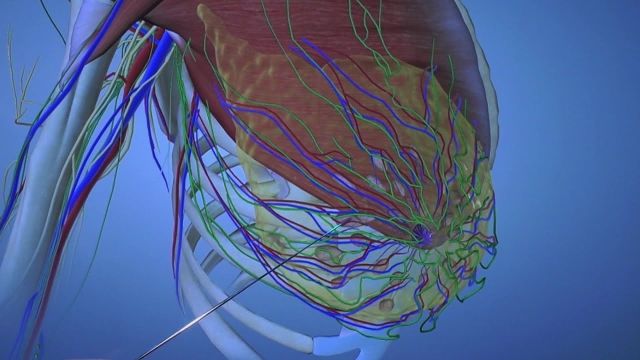 Lumpectomy (breast-conserving surgery)
 Lymph node biopsy / excision
 Mastectomy
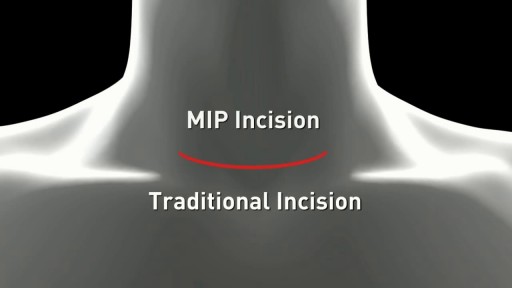 Parathyroidectomy
 Sentinel lymph node biopsy
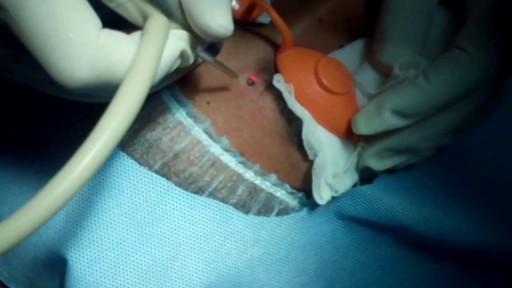 Skin lesion excision
 Skin lesion excision (cysts, lipomas, dermatofibromas)
 Thyroidectomy (thyroid removal)
Frequently asked questions
How accurate are the recovery times in these guides?
They are typical ranges published in hospital and health-service patient information (such as NHS procedure and recovery pages and MedlinePlus), not promises. Age, general health, whether surgery was keyhole or open, and any complications all shift the timeline. Where no reliable published range exists for an operation, the guide describes recovery in general phases instead of inventing numbers.
What should I do if my discharge instructions say something different?
Follow your discharge instructions. Your surgical team knows exactly what was done in your operation, and their written advice — about lifting, driving, wound care, medicines and follow-up — overrides any general guide, including this one. If anything is unclear, call the ward or clinic number on your discharge letter.
Medically reviewed by Dr. Mohamed Ibrahim, Assistant Professor of Medicine, Transplant Nephrology, University of Maryland School of Medicine. Last reviewed: 12 November 2026.