
- Physical Examination
- Surgical Examination
- Ophthalmology
- Clinical Skills
- Orthopedics
- Surgery Videos
- Laparoscopy
- Pediatrics
- Funny Videos
- Cardiothoracic Surgery
- Nursing Videos
- Plastic Surgery
- Otorhinolaryngology
- Histology and Histopathology
- Neurosurgery
- Dermatology
- Pediatric Surgery
- Urology
- Dentistry
- Oncology and Cancers
- Anatomy Videos
- Health and Fitness
- Radiology
- Anaesthesia
- Physical Therapy
- Pharmacology
- Interventional Radiology
- Cardiology
- Endocrinology
- Gynecology
- Emergency Medicine
- Psychiatry and Psychology
- Childbirth Videos
- General Medical Videos
- Nephrology
- Physiology
- Diet and Food Health
- Diabetes Mellitus
- Neurology
- Women Health
- Osteoporosis
- Gastroenterology
- Pulmonology
- Hematology
- Rheumatology
- Toxicology
- Nuclear Medicine
- Infectious Diseases
- Vascular Disease
- Reproductive Health
- Burns and Wound Healing
- Kidney Zone Podcast
- Other
Bartholin's cyst/abscess treatment (marsupialisation): What to Expect & Recovery
A Bartholin's abscess is drained and the gland opening is stitched open (marsupialisation), or a small balloon catheter (Word catheter) is left in for a few weeks to form a new drainage channel. Either way it is usually day-case treatment, and sitz baths plus cleanliness do most of the healing work.
Before surgery: how to prepare
- An abscess is often treated urgently because it is painful — you may be seen and treated the same day.
- Tell the team about allergies (including to latex, relevant for some catheters), medicines and any previous Bartholin's problems.
- Arrange a lift home if you have sedation or a general anaesthetic, and buy a supply of pads and a suitable basin for sitz baths if advised.
- Ask which technique is planned and whether a Word catheter will be used — it changes aftercare for the following few weeks.
The day of surgery
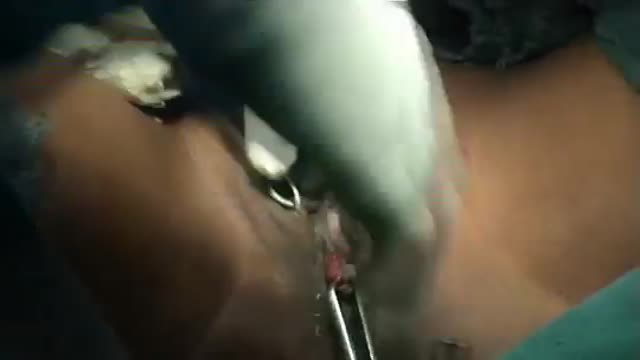
Under local or general anaesthetic, the abscess is opened and drained through a small cut on the inner side of the vaginal opening. In marsupialisation the edges of the gland are stitched open to form a permanent small opening; alternatively a Word catheter balloon keeps the tract open while it heals. You wake with a pad in place and usually immediate relief of pressure pain.
In hospital
Recovery timeline
Every recovery is individual, but most follow this general arc:
Warning signs: when to get help
- Increasing pain, swelling or redness after initial improvement
- Fever or feeling unwell
- Offensive-smelling discharge
- The catheter falling out in the first days — contact the clinic for advice
- Bleeding that soaks pads
Related topics
Watch: real operation videos
From the MedicalVideos library. Some surgical videos are graphic and intended for education.
Frequently asked questions
Why not just drain it simply?
Simple drainage alone often seals over, and the cyst or abscess returns. Marsupialisation and Word catheters create a lasting drainage opening, which lowers — though does not eliminate — recurrence. Your clinician will discuss which technique suits your situation.
Can it come back after marsupialisation?
Yes, recurrence is possible with any technique, which is why new swelling on the same side should be reviewed early. Repeat procedures and, rarely, removal of the gland are options if it keeps recurring.
Medically reviewed by Dr. Mohamed Ibrahim, Assistant Professor of Medicine, Transplant Nephrology, University of Maryland School of Medicine. Last reviewed: 12 November 2026.