
- Physical Examination
- Surgical Examination
- Ophthalmology
- Clinical Skills
- Orthopedics
- Surgery Videos
- Laparoscopy
- Pediatrics
- Funny Videos
- Cardiothoracic Surgery
- Nursing Videos
- Plastic Surgery
- Otorhinolaryngology
- Histology and Histopathology
- Neurosurgery
- Dermatology
- Pediatric Surgery
- Urology
- Dentistry
- Oncology and Cancers
- Anatomy Videos
- Health and Fitness
- Radiology
- Anaesthesia
- Physical Therapy
- Pharmacology
- Interventional Radiology
- Cardiology
- Endocrinology
- Gynecology
- Emergency Medicine
- Psychiatry and Psychology
- Childbirth Videos
- General Medical Videos
- Nephrology
- Physiology
- Diet and Food Health
- Diabetes Mellitus
- Neurology
- Women Health
- Osteoporosis
- Gastroenterology
- Pulmonology
- Hematology
- Rheumatology
- Toxicology
- Nuclear Medicine
- Infectious Diseases
- Vascular Disease
- Reproductive Health
- Burns and Wound Healing
- Kidney Zone Podcast
- Other
Ganglion excision: What to Expect & Recovery
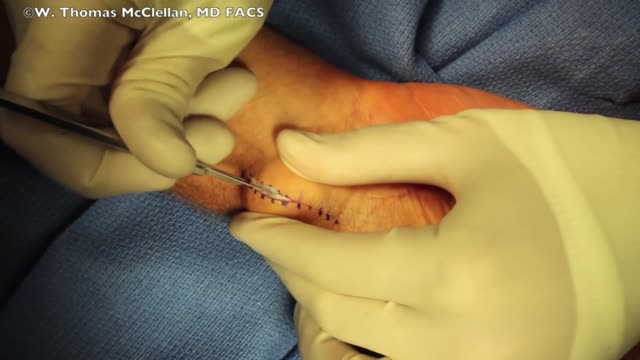
Removing a ganglion — the jelly-filled lump that commonly appears on the wrist — is a small day-case operation. Recovery is quick: a bandaged, sometimes briefly splinted wrist, early finger movement, and back to desk work within days for most people.
Before surgery: how to prepare
- Ask about recurrence honestly: ganglions can come back even after complete excision, in a recognised minority of cases — surgery is usually for pain, size or appearance concerns.
- Arrange a lift home if you are having sedation or a general anaesthetic.
- Plan light duties for the first days and manual-work adjustments for a few weeks if your job loads the wrist.
- Follow fasting instructions if a general anaesthetic is planned.
The day of surgery
Through a small cut over the lump, the surgeon removes the ganglion together with its stalk down to the joint or tendon sheath it springs from — removing the stalk is what lowers recurrence. The wrist is bandaged, sometimes with a splint for a short period.
In hospital
Recovery timeline
Every recovery is individual, but most follow this general arc:
Warning signs: when to get help
- Wound redness, increasing pain or discharge (infection)
- Fingers becoming pale, blue, cold or increasingly numb
- Bleeding soaking the bandage
- Stiffness that is worsening rather than improving
Related topics
Watch: real operation videos
From the MedicalVideos library. Some surgical videos are graphic and intended for education.
Frequently asked questions
Why might the ganglion come back?
Ganglions arise from a small weakness in the joint capsule or tendon sheath. Surgery removes the sac and stalk, but the underlying tissue tendency remains, so a minority regrow — sometimes months or years later. A recurrent ganglion is not dangerous, and options include leaving it, aspiration or further surgery.
Do I need physiotherapy?
Usually not formally — regular finger and wrist movement, scar massage once healed, and progressive use are enough for most people. Hand therapy is arranged if stiffness persists.
Medically reviewed by Dr. Mohamed Ibrahim, Assistant Professor of Medicine, Transplant Nephrology, University of Maryland School of Medicine. Last reviewed: 12 November 2026.