
- Physical Examination
- Surgical Examination
- Ophthalmology
- Clinical Skills
- Orthopedics
- Surgery Videos
- Laparoscopy
- Pediatrics
- Funny Videos
- Cardiothoracic Surgery
- Nursing Videos
- Plastic Surgery
- Otorhinolaryngology
- Histology and Histopathology
- Neurosurgery
- Dermatology
- Pediatric Surgery
- Urology
- Dentistry
- Oncology and Cancers
- Anatomy Videos
- Health and Fitness
- Radiology
- Anaesthesia
- Physical Therapy
- Pharmacology
- Interventional Radiology
- Cardiology
- Endocrinology
- Gynecology
- Emergency Medicine
- Psychiatry and Psychology
- Childbirth Videos
- General Medical Videos
- Nephrology
- Physiology
- Diet and Food Health
- Diabetes Mellitus
- Neurology
- Women Health
- Osteoporosis
- Gastroenterology
- Pulmonology
- Hematology
- Rheumatology
- Toxicology
- Nuclear Medicine
- Infectious Diseases
- Vascular Disease
- Reproductive Health
- Burns and Wound Healing
- Kidney Zone Podcast
- Other
Ingrowing toenail surgery (partial nail avulsion): What to Expect & Recovery
Partial nail avulsion removes the offending edge of an ingrowing toenail and treats the nail bed so that edge does not regrow. It is a 20-minute clinic procedure under local anaesthetic, with 2 to 3 days of elevation and 2 to 3 weeks to full healing.
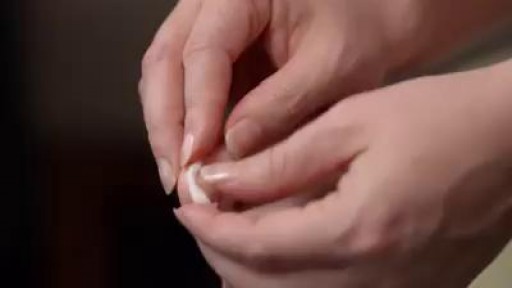
Before surgery: how to prepare
- Bring open-toed footwear — your toe will have a bulky dressing and a numb foot fits poorly in a shoe.
- Tell the clinician about diabetes, circulation problems, blood thinners and any foot infection — these change aftercare and sometimes the setting.
- The toe is numbed by injections at its base; plan a lift or public transport home rather than driving with a numb foot.
- Ask whether phenol will be used to stop the edge regrowing — it is standard and improves success, but makes the wound weep for longer while healing.
The day of surgery
After the toe is numbed, the ingrowing side strip of nail is cut away down to its root, and the corresponding nail bed is treated (usually with phenol) so that edge does not grow back. A bulky dressing protects the toe. The whole procedure takes about 20 minutes.
In hospital
Recovery timeline
Every recovery is individual, but most follow this general arc:
Warning signs: when to get help
- Increasing pain, redness spreading up the toe or foot, or pus (infection)
- Bleeding that soaks through dressings repeatedly
- The toe becoming pale, blue or unusually cold (rare circulation issue — seek prompt advice, especially with diabetes)
- Healing not progressing after 3 weeks
- New nail spike with recurrent pain months later
Related topics
Watch: real operation videos
From the MedicalVideos library. Some surgical videos are graphic and intended for education.
Frequently asked questions
Why not just remove the whole nail?
Removing the whole nail without treating the bed simply grows the same problem back. Removing only the offending edge and treating its root preserves most of the nail, heals faster, and gives a low recurrence rate — total removal is reserved for severe or repeated whole-nail problems.
I have diabetes — is nail surgery safe for me?
It is commonly done in diabetes, but healing is slower and infection risk higher, so teams assess circulation and sensation first and follow up more closely. Report any infection signs early — in a diabetic foot, small problems deserve fast attention, which is a standing rule beyond this procedure.
Medically reviewed by Dr. Mohamed Ibrahim, Assistant Professor of Medicine, Transplant Nephrology, University of Maryland School of Medicine. Last reviewed: 12 November 2026.
← More General & Other Surgery · All surgery recovery guides