
- Physical Examination
- Surgical Examination
- Ophthalmology
- Clinical Skills
- Orthopedics
- Surgery Videos
- Laparoscopy
- Pediatrics
- Funny Videos
- Cardiothoracic Surgery
- Nursing Videos
- Plastic Surgery
- Otorhinolaryngology
- Histology and Histopathology
- Neurosurgery
- Dermatology
- Pediatric Surgery
- Urology
- Dentistry
- Oncology and Cancers
- Anatomy Videos
- Health and Fitness
- Radiology
- Anaesthesia
- Physical Therapy
- Pharmacology
- Interventional Radiology
- Cardiology
- Endocrinology
- Gynecology
- Emergency Medicine
- Psychiatry and Psychology
- Childbirth Videos
- General Medical Videos
- Nephrology
- Physiology
- Diet and Food Health
- Diabetes Mellitus
- Neurology
- Women Health
- Osteoporosis
- Gastroenterology
- Pulmonology
- Hematology
- Rheumatology
- Toxicology
- Nuclear Medicine
- Infectious Diseases
- Vascular Disease
- Reproductive Health
- Burns and Wound Healing
- Kidney Zone Podcast
- Other
Teeth grinding at night
Category: Mind, Mood & Sleep · All mind & sleep symptoms
What it can feel like
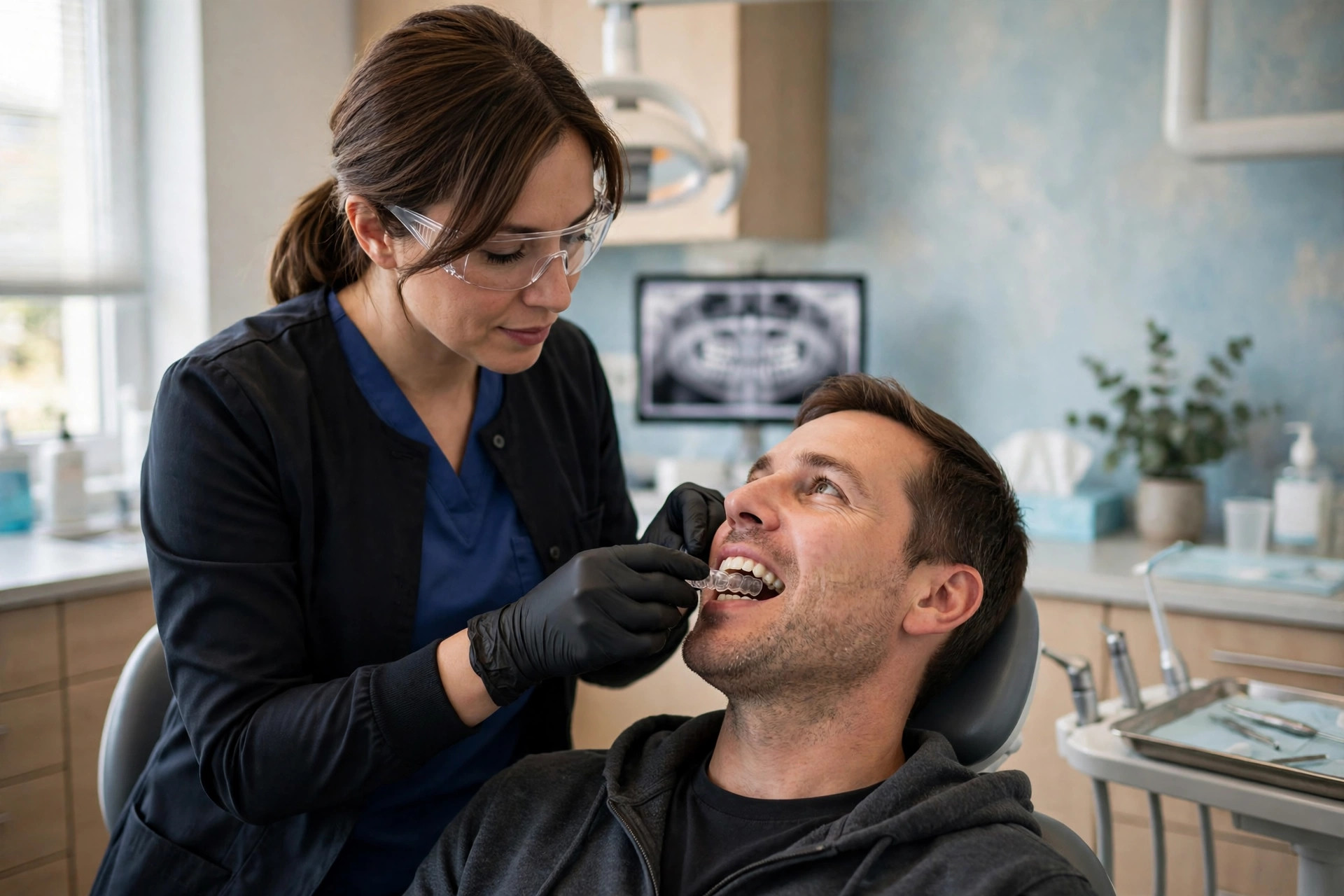
Teeth grinding at night (sleep bruxism) means clenching or grinding the teeth during sleep, often loudly enough for a partner to hear, producing morning jaw ache, headache around the temples, tooth wear and sometimes cracked teeth. It sits at the junction of sleep medicine, dentistry and stress physiology.
Possible causes
A symptom can have many causes, and most are not serious. The lists below group conditions this symptom can be associated with — common causes first. They are possibilities to discuss with a clinician, not a diagnosis.
Common causes
Teeth grinding can be associated with stress and anxiety, sleep fragmentation (micro-arousals trigger jaw muscle bursts), caffeine and alcohol, smoking, and some medicines — particularly certain antidepressants.
Other possible causes
Teeth grinding can also be associated with sleep apnoea (grinding clusters around apnoea-arousal events in some patients), reflux, and in children with enlarged tonsils and disturbed sleep breathing.
Red flags — when to seek help promptly
- Morning jaw pain with teeth visibly wearing, cracking or loosening
- Grinding with loud snoring, witnessed apnoeas or unrefreshing sleep
- Jaw pain with locking, clicking or inability to open fully (jaw joint disorder)
- Grinding beginning after starting a new medicine
- A child's grinding with snoring, mouth breathing or behavioural change
What a clinician may do
Assessment is shared: a dentist examines wear patterns and the jaw joint and can fit a protective night guard; a clinician reviews stress, sleep and medicines, and screens for apnoea when the pattern suggests it. Treating drivers (stress load, apnoea, a culprit medicine) accompanies dental protection.
Related guides on MedicalVideos.com
Frequently asked questions
Does a night guard stop the grinding?
A guard protects the teeth from wear and reduces morning jaw strain, but it does not switch off the grinding drive itself. It is protection while the drivers — stress, sleep fragmentation, apnoea, medicines — are addressed in parallel.
Why do antidepressants cause grinding?
Certain antidepressants (SSRIs and SNRIs) alter dopamine and serotonin balance in the brain circuits controlling jaw muscles, and bruxism is a recognised side effect. It is a reason to tell your prescriber — dose adjustments or alternatives often settle it — rather than stopping the medicine abruptly.
Related symptoms — Mind, Mood & Sleep
Browse the T section of the A–Z list or return to the Symptoms A–Z hub.