
- Physical Examination
- Surgical Examination
- Ophthalmology
- Clinical Skills
- Orthopedics
- Surgery Videos
- Laparoscopy
- Pediatrics
- Funny Videos
- Cardiothoracic Surgery
- Nursing Videos
- Plastic Surgery
- Otorhinolaryngology
- Histology and Histopathology
- Neurosurgery
- Dermatology
- Pediatric Surgery
- Urology
- Dentistry
- Oncology and Cancers
- Anatomy Videos
- Health and Fitness
- Radiology
- Anaesthesia
- Physical Therapy
- Pharmacology
- Interventional Radiology
- Cardiology
- Endocrinology
- Gynecology
- Emergency Medicine
- Psychiatry and Psychology
- Childbirth Videos
- General Medical Videos
- Nephrology
- Physiology
- Diet and Food Health
- Diabetes Mellitus
- Neurology
- Women Health
- Osteoporosis
- Gastroenterology
- Pulmonology
- Hematology
- Rheumatology
- Toxicology
- Nuclear Medicine
- Infectious Diseases
- Vascular Disease
- Reproductive Health
- Burns and Wound Healing
- Kidney Zone Podcast
- Other
Low mood
Category: Mind, Mood & Sleep · All mind & sleep symptoms
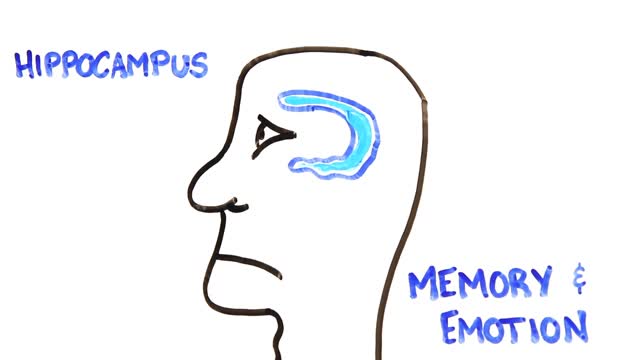
What it can feel like
Low mood means feeling sad, empty, tearful or flat most of the day, most days, with reduced pleasure in things that usually matter. Everyone has low days; low mood becomes clinical depression when it persists beyond about two weeks and starts to impair work, relationships, sleep, appetite and self-care.
Possible causes
A symptom can have many causes, and most are not serious. The lists below group conditions this symptom can be associated with — common causes first. They are possibilities to discuss with a clinician, not a diagnosis.
Common causes
Low mood can be associated with life events and losses, chronic stress, poor sleep, alcohol, loneliness, and physical illnesses including chronic pain — mood and body health move together in both directions.
Other possible causes
Low mood can also be associated with an underactive thyroid, anaemia, vitamin deficiencies, hormonal changes, medicines (including some blood-pressure and steroid treatments), and depression as a primary illness, which has genetic and brain-chemistry contributors as well as triggers.
Red flags — when to seek help promptly
- Thoughts of harming yourself, or feeling that others would be better off without you — get help the same day: contact your clinician, a crisis line (in the US, call or text 988; in the UK, Samaritans 116 123), or emergency services
- Low mood with inability to function — not eating, not washing, unable to get up
- Low mood with hearing voices, paranoid beliefs or severely disturbed behaviour
- Low mood with very high, pressured mood episodes at other times (possible bipolar pattern)
- Low mood after having a baby, persisting beyond the first couple of weeks (postnatal depression)
What a clinician may do
A clinician will explore the mood's duration, depth and effects, ask sensitively about self-harm thoughts (asking does not increase risk), screen for thyroid, anaemia and other physical mimics, and discuss the treatment ladder — self-help and therapy, structured psychological treatments, and antidepressant medicines where indicated.
Watch: related videos
Examination and clinical videos from the MedicalVideos.com library relevant to this symptom. Some clinical footage is graphic — that is the nature of a medical video library.
Related guides on MedicalVideos.com
Frequently asked questions
Is depression a real illness or a mindset?
It is a real, common illness with measurable effects on sleep, appetite, concentration, energy and pain perception — not a character flaw or a failure of gratitude. It is also treatable: therapy, medicines and combined approaches all have strong evidence, and earlier treatment works better.
Why blood tests for a mood problem?
Because thyroid disease, anaemia and deficiencies imitate depression convincingly, and treating a mood while missing a thyroid wastes months. The panel is quick, cheap and routinely part of a first presentation of persistent low mood.
Related symptoms — Mind, Mood & Sleep
Browse the L section of the A–Z list or return to the Symptoms A–Z hub.