
- Physical Examination
- Surgical Examination
- Ophthalmology
- Clinical Skills
- Orthopedics
- Surgery Videos
- Laparoscopy
- Pediatrics
- Funny Videos
- Cardiothoracic Surgery
- Nursing Videos
- Plastic Surgery
- Otorhinolaryngology
- Histology and Histopathology
- Neurosurgery
- Dermatology
- Pediatric Surgery
- Urology
- Dentistry
- Oncology and Cancers
- Anatomy Videos
- Health and Fitness
- Radiology
- Anaesthesia
- Physical Therapy
- Pharmacology
- Interventional Radiology
- Cardiology
- Endocrinology
- Gynecology
- Emergency Medicine
- Psychiatry and Psychology
- Childbirth Videos
- General Medical Videos
- Nephrology
- Physiology
- Diet and Food Health
- Diabetes Mellitus
- Neurology
- Women Health
- Osteoporosis
- Gastroenterology
- Pulmonology
- Hematology
- Rheumatology
- Toxicology
- Nuclear Medicine
- Infectious Diseases
- Vascular Disease
- Reproductive Health
- Burns and Wound Healing
- Kidney Zone Podcast
- Other
Neurology
Neurology videos: stroke, epilepsy, Parkinson's, dementia and nerve disorders — examinations and treatments explained by neurologists. Free to watch.
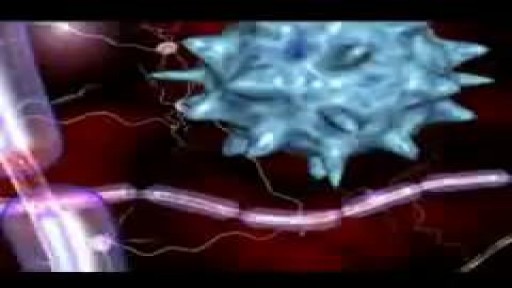

Multiple sclerosis (MS) involves an immune-mediated process in which an abnormal response of the body’s immune system is directed against the central nervous system (CNS). The CNS is made up of the brain, spinal cord and optic nerves. Within the CNS, the immune system causes inflammation that damages myelin — the fatty substance that surrounds and insulates the nerve fibers — as well as the nerve fibers themselves, and the specialized cells that make myelin. When myelin or nerve fibers are damaged or destroyed in MS, messages within the CNS are altered or stopped completely. Damage to areas of the CNS may produce a variety of neurological symptoms that will vary among people with MS in type and severity The damaged areas develop scar tissue which gives the disease its name – multiple areas of scarring or multiple sclerosis. The cause of MS is not known, but it is believed to involve genetic susceptibility, abnormalities in the immune system and environmental factors that combine to trigger the disease. People with MS typically experience one of four disease courses. There are over a dozen treatments to help modify the MS disease process.
Cognitive impairment is seen in over half of people with multiple sclerosis. In this video I review factors that can contribute to multiple sclerosis brain fog, ways to assess cognition, and tips to improve thinking and memory.
Multiple sclerosis causes many different symptoms, including vision loss, pain, fatigue, and impaired coordination. The symptoms, severity, and duration can vary from person to person. Some people may be symptom free most of their lives, while others can have severe chronic symptoms that never go away.
Multiple sclerosis causes many different symptoms, including vision loss, pain, fatigue, and impaired coordination. The symptoms, severity, and duration can vary from person to person. Some people may be symptom free most of their lives, while others can have severe chronic symptoms that never go away. Physical therapy and medications that suppress the immune system can help with symptoms and slow disease progression.
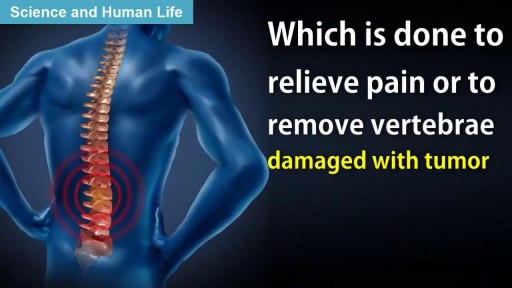
Types of Spinal Cord Injuries 1) Anterior cord syndrome 2) Central cord syndrome 3) Brown-Sequard syndrome 4) Tetraplegia 5) Paraplegia 6) Triplegia
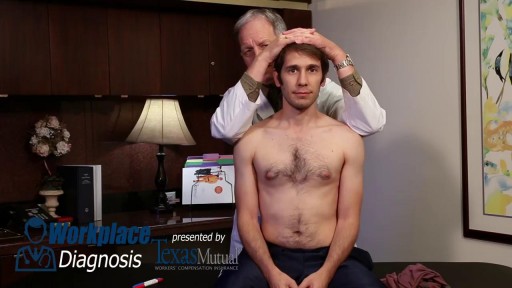
A spinal cord injury is not the sort of thing you have to wonder about having. If you've suffered a spinal cord injury, your life is in danger, and you'll know you're injured. You can't use symptoms to diagnose the sort of spinal cord injury you have, and every patient's prognosis is different. Some make a miraculous recovery within months; others need years of physical therapy and still make little to no progress.
Medical providers divide the spinal cord into four distinct regions. Knowing the region in which the injury is located is often the key to understanding diagnosis and treatment. The four spinal cord regions are: The cervical spinal cord: This is the topmost portion of the spinal cord, where the brain connects to the spinal cord, and the neck connects to the back. This region consists of eight vertebrae, commonly referred to as C1-C8. All spinal cord numbers are descending, so C1 is the highest vertebra, while C8 is the lowest in this region. The thoracic spinal cord: This section forms the middle of the spinal cord, containing twelve vertebrae numbered T1-T12. The lumbar spinal cord: This is a lower region of the spinal cord, where your spinal cord begins to bend. If you put your hand in your lower back, where your back bends inward, you're feeling your lumbar region. There are five lumbar vertebrae, numbered L1-L5.
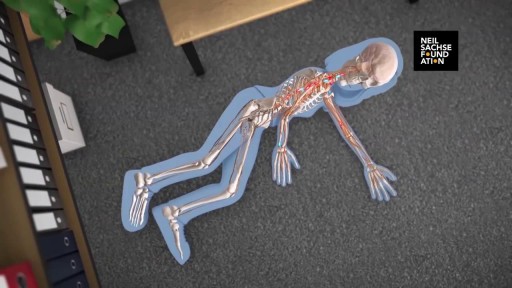
A detailed animation video explaining a spinal cord injury.
In this video I discuss sexual function for people with a spinal cord injury. The amount of feeling and function can vary drastically depending on the level and severity of the injury to the spinal cord.
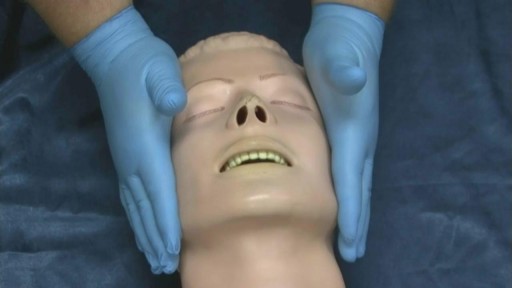
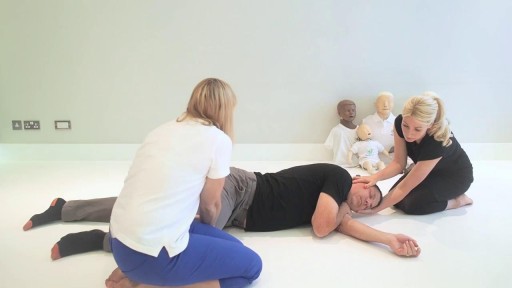
The jaw thrust is a method of opening the airway of a patient. The airway is very important in first aid! It consists of the structures in the back of the throat and upper neck. A patient who is unconscious is not able to maintain their own airway as it can become blocked by the tongue (see picture). Normally, first aid courses teach the head tilt – chin lift technique to open an airway. However, this airway manoeuvre involves significant movement of the patient’s neck. Therefore if there is any suspicion of a spinal (neck) injury it may cause further damage.
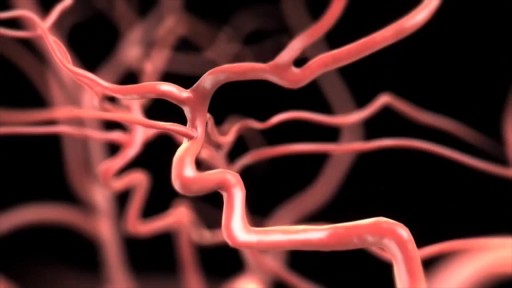
Narrated animation of stroke intervention. Video supplied by Covidien, showing the Solitaire mechanical thrombectomy device, which was the first FDA-approved device for such an indication.
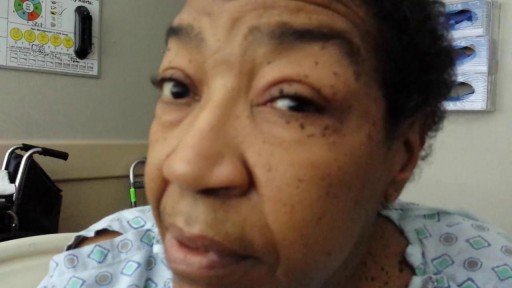
Central vestibular nystagmus results from stimulation, injury, disease of the central vestibular pathways of the brainstem or the cerebellum, or lesion of the vestibular nuclei. It is typically a jerk nystagmus, which can be purely horizontal, vertical or torsional.
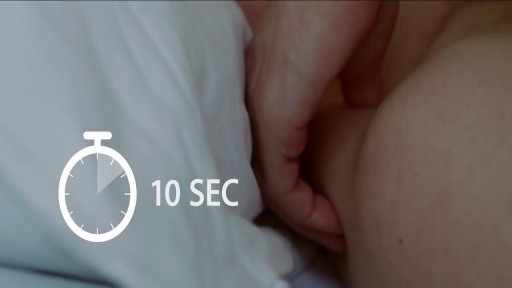
The Glasgow Coma Scale (GCS) is the most common scoring system used to describe the level of consciousness in a person following a traumatic brain injury. Basically, it is used to help gauge the severity of an acute brain injury.

Comas are caused by an injury to the brain. Brain injury can be due to increased pressure, bleeding, loss of oxygen, or buildup of toxins. The injury can be temporary and reversible. It also can be permanent.
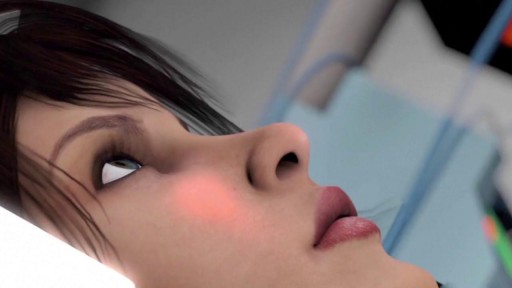
A coma is a prolonged state of unconsciousness. During a coma, a person is unresponsive to his or her environment. The person is alive and looks like he or she is sleeping. However, unlike in a deep sleep, the person cannot be awakened by any stimulation, including pain.
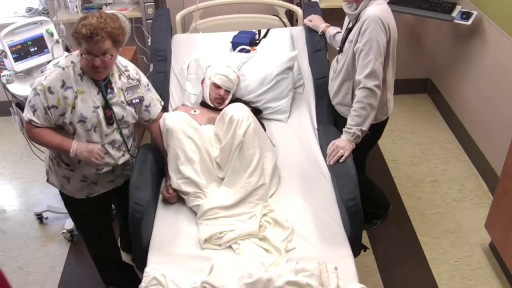
A grand mal seizure causes a loss of consciousness and violent muscle contractions. It's the type of seizure most people picture when they think about seizures. A grand mal seizure — also known as a generalized tonic-clonic seizure — is caused by abnormal electrical activity throughout the brain. Usually, a grand mal seizure is caused by epilepsy. But sometimes, this type of seizure can be triggered by other health problems, such as extremely low blood sugar, a high fever or a stroke. Many people who have a grand mal seizure never have another one and don't need treatment. But someone who has recurrent seizures may need treatment with daily anti-seizure medications to control and prevent future grand mal seizures
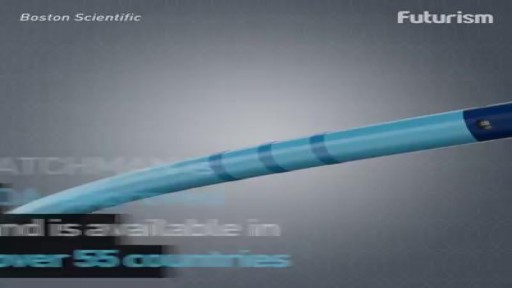
The Watchman can be inserted in less than an hour and could save your life.

First aid steps to help stop or shorten a seizure or prevent an emergency situation. This may involve giving a rescue treatment (often called "as needed" medicine or treatment) that has been recommended by your health care team. The rescue treatments described here can be given by non-medical people who are not in a hospital setting. They are intended for use by anyone (the person with seizures, family member or other observer) who has been trained in their use. These therapies can be given anywhere in the community
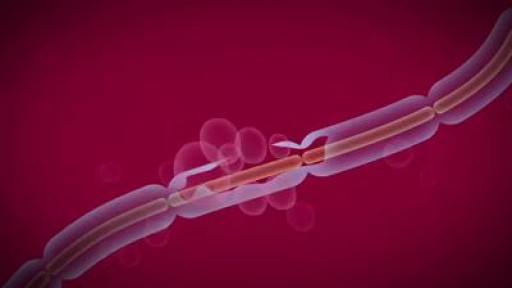
Early symptoms of MS include blurred vision, numbness, dizziness, and muscle weakness.
Medical Videos
Free medical and surgery videos for patients, students and professionals — trusted since 2007.
Founded by Dr. Mohamed Ibrahim, MD, PhD — physician-scientist.
Follow us on Facebook · Instagram