
- Physical Examination
- Surgical Examination
- Ophthalmology
- Clinical Skills
- Orthopedics
- Surgery Videos
- Laparoscopy
- Pediatrics
- Funny Videos
- Cardiothoracic Surgery
- Nursing Videos
- Plastic Surgery
- Otorhinolaryngology
- Histology and Histopathology
- Neurosurgery
- Dermatology
- Pediatric Surgery
- Urology
- Dentistry
- Oncology and Cancers
- Anatomy Videos
- Health and Fitness
- Radiology
- Anaesthesia
- Physical Therapy
- Pharmacology
- Interventional Radiology
- Cardiology
- Endocrinology
- Gynecology
- Emergency Medicine
- Psychiatry and Psychology
- Childbirth Videos
- General Medical Videos
- Nephrology
- Physiology
- Diet and Food Health
- Diabetes Mellitus
- Neurology
- Women Health
- Osteoporosis
- Gastroenterology
- Pulmonology
- Hematology
- Rheumatology
- Toxicology
- Nuclear Medicine
- Infectious Diseases
- Vascular Disease
- Reproductive Health
- Burns and Wound Healing
- Kidney Zone Podcast
- Other
Latest videos
The newest additions to the MedicalVideos.com library — freshly curated medical and surgery videos, explainers, and lectures from educators and institutions worldwide.


A Cesarean section (C-section) is surgery to deliver a baby. The baby is taken out through the mother's abdomen. In the United States, almost one in three women has their babies this way. Some C-sections are planned, but many are done when unexpected problems happen during delivery. Reasons for a C-section may include Health problems in the mother The mother carrying more than one baby The size or position of the baby The baby's health is in danger Labor is not moving along as it should
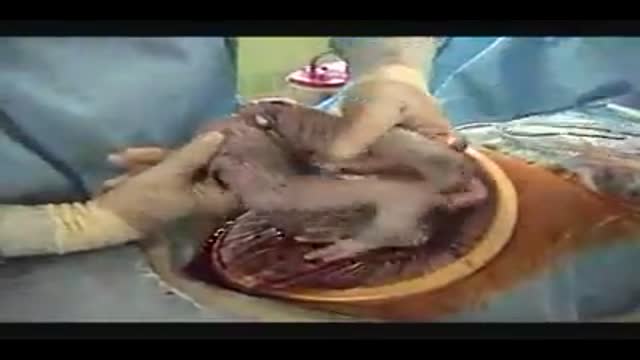
A c-section, or cesarean section, is the delivery of a baby through a surgical incision in the mother's abdomen and uterus. In some circumstances, a c-section is scheduled in advance. In others, the surgery is needed due to an unforeseen complication. If you or your baby is in imminent danger, you'll have an emergency c-section. Otherwise, it's called an unplanned section. According to the U.S. Centers for Disease Control, about 32 percent of American women who gave birth in 2015 had a cesarean delivery.

An educational documentary on female reproductive anatomy and how it works. Educational only — not medical advice.

A clear 3D animation of a normal vaginal delivery, showing how the baby moves through the birth canal. Educational only — not medical advice.

Vaginal delivery is the most common and safest type of childbirth. When necessary in certain circumstances, forceps (instruments resembling large spoons) may be used to cup your baby's head and help guide the baby through the birth canal. Vacuum delivery is another way to assist delivery and is similar to forceps delivery. In vacuum delivery, a plastic cup is applied to the baby's head by suction and the health care provider gently pulls the baby from the birth canal.


This examination demonstration shows assessment of the motor system in the upper limb. The examiner observes the patient at rest and in movement, inspects muscle bulk for wasting, tests tone by moving the relaxed limbs, and grades strength through elbow, wrist, grip, finger and thumb movements. It is a study resource for neurological examination.

Carpal tunnel syndrome is a common condition that causes pain, numbness, and tingling in the hand and arm. The condition occurs when one of the major nerves to the hand — the median nerve — is squeezed or compressed as it travels through the wrist. In most patients, carpal tunnel syndrome gets worse over time, so early diagnosis and treatment are important. Early on, symptoms can often be relieved with simple measures like wearing a wrist splint or avoiding certain activities. If pressure on the median nerve continues, however, it can lead to nerve damage and worsening symptoms. To prevent permanent damage, surgery to take pressure off the median nerve may be recommended for some patients.

A video showing the amniocentesis procedure and how amniotic fluid is sampled during pregnancy. Educational only — not medical advice; discuss testing with your clinician.

Ptosis is when the upper eyelid droops over the eye. The eyelid may droop just a little, or so much that it covers the pupil (the black dot at the center of your eye that lets light in). Ptosis can limit or even completely block normal vision. Children and adults can have ptosis. Fortunately, this condition can be treated to improve vision as well as appearance.

This request usually follows orbit examination of a patient with thyroid eye disease. The aim is to look for signs of hyperthyroidism and less commonly hypothyroidism.
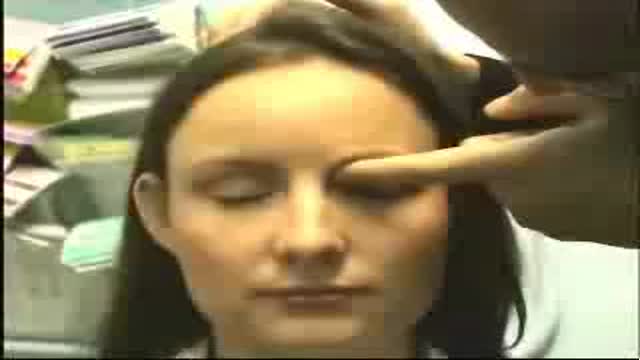
Eye tests are important for the detection of many common eye infections and diseases. Eyes are also an important indicator to detect chronic systemic diseases like Hypertension and Diabetes. Must after maxillofacial trauma to rule out any near and late complications emerging for the eyes. 2. There are two perspectives for examining the eyes : 1. Ophthalmic Perspective – because eyes are prone to many infections, diseases and conditions. 2. Maxillofacial Perspective – because the eyes and the orbit forms an integral component of facial and mid-facial fractures and trauma.

To avoid pupil constriction while accommodating, ask to the patient to fix on a distant object throughout your examination. Look for equal pupil sizes, and check again with the lights off. Anisocoria is not a feature of an afferent defect. They dilate again after the light is removed.

Silent footage shows examination of an enucleated eye socket in a patient with post-enucleation socket syndrome. The recording presents the clinical examination without narration, following the assessment of the socket and surrounding structures. It is a visual reference for ophthalmology and oculoplastic assessment.
Medical Videos
Free medical and surgery videos for patients, students and professionals — trusted since 2007.
Founded by Dr. Mohamed Ibrahim, MD, PhD — physician-scientist.
Follow us on Facebook · Instagram