
- Physical Examination
- Surgical Examination
- Ophthalmology
- Clinical Skills
- Orthopedics
- Surgery Videos
- Laparoscopy
- Pediatrics
- Funny Videos
- Cardiothoracic Surgery
- Nursing Videos
- Plastic Surgery
- Otorhinolaryngology
- Histology and Histopathology
- Neurosurgery
- Dermatology
- Pediatric Surgery
- Urology
- Dentistry
- Oncology and Cancers
- Anatomy Videos
- Health and Fitness
- Radiology
- Anaesthesia
- Physical Therapy
- Pharmacology
- Interventional Radiology
- Cardiology
- Endocrinology
- Gynecology
- Emergency Medicine
- Psychiatry and Psychology
- Childbirth Videos
- General Medical Videos
- Nephrology
- Physiology
- Diet and Food Health
- Diabetes Mellitus
- Neurology
- Women Health
- Osteoporosis
- Gastroenterology
- Pulmonology
- Hematology
- Rheumatology
- Toxicology
- Nuclear Medicine
- Infectious Diseases
- Vascular Disease
- Reproductive Health
- Burns and Wound Healing
- Kidney Zone Podcast
- Other
Polycystic Ovary Syndrome (PCOS)
Polycystic ovary syndrome, often called PCOS, is a common hormone condition that affects the ovaries and menstrual cycle. It can cause irregular periods, acne, extra hair growth, and difficulty getting pregnant. This page explains PCOS in plain language.
✓ Medically reviewed by Dr. Mohamed Ibrahim, MD, PhD — physician-scientist · Last reviewed: November 2026
In short: PCOS is a hormone imbalance where the ovaries may release eggs irregularly. It is linked with higher levels of androgens, sometimes called male-type hormones, and with insulin resistance. Care focuses on managing symptoms, supporting fertility if desired, and protecting long-term health.
Watch: Polycystic Ovary Syndrome (PCOS) videos


Read: the plain-language guide
Overview
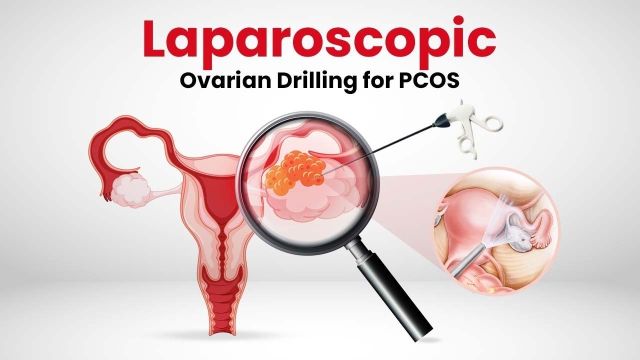
PCOS affects how the ovaries work. In a typical cycle, an ovary releases an egg each month. With PCOS, that release may happen less often or not at all, so periods can be irregular or absent. Small fluid-filled follicles may be seen on ultrasound, but they are not harmful cysts. PCOS is a long-term condition, and symptoms often begin in the teen years or twenties. With regular follow-up, most symptoms can be managed well over time.
Symptoms
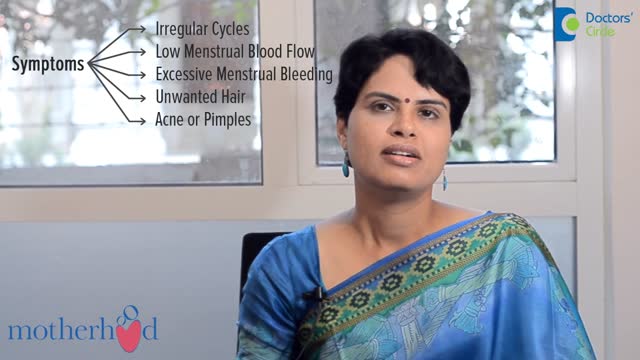
Common symptoms include irregular, infrequent, or missed periods, acne that persists beyond the teen years, and extra hair growth on the face or body. Some people notice thinning hair on the scalp, weight gain that is hard to shift, and darkened skin patches, often on the neck. Because ovulation is irregular, getting pregnant may take longer. Symptoms vary widely: some people have several, others only one or two, and severity can change over time.
Causes & risk factors
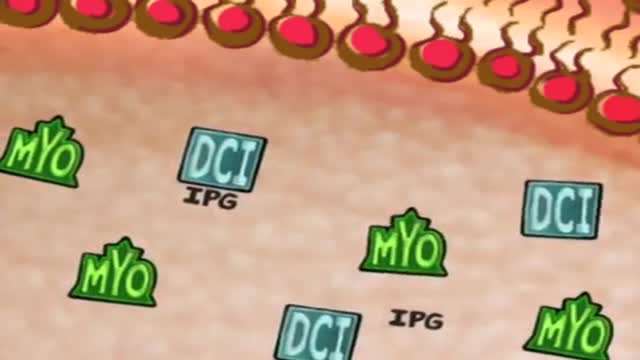
The exact cause of PCOS is not fully understood. It involves a mix of genetics and hormones. Many people with PCOS have insulin resistance, meaning the body does not respond to insulin as well, which can raise androgen levels. Higher androgens can interfere with ovulation and cause acne and hair changes. PCOS often runs in families. Weight does not cause PCOS, though extra weight can make symptoms and insulin resistance worse.
How it's diagnosed
Diagnosis is based on a combination of history, examination, blood tests, and sometimes an ultrasound of the ovaries. A clinician will ask about periods, symptoms, and family history, and will usually check hormone levels and blood sugar. Other conditions that can mimic PCOS, such as thyroid problems, need to be ruled out. No single test confirms PCOS, so the overall pattern matters most.
Treatment overview
There is no cure, but treatment can control symptoms and reduce long-term risks. Lifestyle measures such as regular activity and balanced eating help with insulin resistance and general health. Hormonal contraception is often used to regulate periods and ease acne and hair growth. Other medicines may help with hair growth, insulin resistance, or, when pregnancy is wanted, with ovulation. The right plan is individual and decided with a clinician.
When to seek care
See a clinician if periods are regularly missed, very infrequent, or unusually heavy, or if you have been trying to conceive without success. Seek prompt care for severe pelvic pain or very heavy bleeding. Regular check-ups for blood pressure, blood sugar, and cholesterol are also important with PCOS.
Frequently asked questions
Does PCOS mean I have cysts on my ovaries?
Not in the usual sense. The name refers to many small follicles seen on ultrasound. These are immature egg sacs, not harmful cysts, and they do not usually need surgery. Some people with PCOS do not have this ultrasound appearance at all.
Can I get pregnant if I have PCOS?
Yes, many people with PCOS become pregnant, though irregular ovulation can make it take longer. Lifestyle measures and, when needed, medicines that support ovulation can help. A clinician or fertility specialist can discuss options based on your individual situation and timing.
Is PCOS linked to diabetes?
PCOS is linked with insulin resistance, which raises the risk of type 2 diabetes over time. Regular blood sugar checks are a routine part of PCOS care. Healthy eating, regular activity, and follow-up with a clinician help lower that risk.
Will PCOS go away after menopause?
Periods stop at menopause, so cycle symptoms end, but some effects of PCOS, such as insulin resistance and heart health risks, can continue. Ongoing general health checks remain important. Hair and skin symptoms may ease, though this varies from person to person.
More in Women's Health
Related topics on MedicalVideos.com
Sources & further reading
Authoritative references for readers who want to go deeper:
- MedlinePlus: Polycystic Ovary Syndrome
- NHS: Polycystic Ovary Syndrome (PCOS)
- Office on Women's Health (U.S. Department of Health & Human Services): Polycystic Ovary Syndrome (PCOS) (Office on Women's Health (U.S. Department of Health & Human Services))
This page is for general education only and is not medical advice. Missed periods, very heavy bleeding, or difficulty conceiving with PCOS should be discussed promptly with a clinician rather than managed alone.