
- Physical Examination
- Surgical Examination
- Ophthalmology
- Clinical Skills
- Orthopedics
- Surgery Videos
- Laparoscopy
- Pediatrics
- Funny Videos
- Cardiothoracic Surgery
- Nursing Videos
- Plastic Surgery
- Otorhinolaryngology
- Histology and Histopathology
- Neurosurgery
- Dermatology
- Pediatric Surgery
- Urology
- Dentistry
- Oncology and Cancers
- Anatomy Videos
- Health and Fitness
- Radiology
- Anaesthesia
- Physical Therapy
- Pharmacology
- Interventional Radiology
- Cardiology
- Endocrinology
- Gynecology
- Emergency Medicine
- Psychiatry and Psychology
- Childbirth Videos
- General Medical Videos
- Nephrology
- Physiology
- Diet and Food Health
- Diabetes Mellitus
- Neurology
- Women Health
- Osteoporosis
- Gastroenterology
- Pulmonology
- Hematology
- Rheumatology
- Toxicology
- Nuclear Medicine
- Infectious Diseases
- Vascular Disease
- Reproductive Health
- Burns and Wound Healing
- Kidney Zone Podcast
- Other
COPD
COPD, or chronic obstructive pulmonary disease, is a long-term lung condition that makes breathing gradually harder. This page explains COPD symptoms, causes, and treatment in plain language, with videos to help you understand living with the condition.
✓ Medically reviewed by Dr. Mohamed Ibrahim, MD, PhD — physician-scientist · Last reviewed: November 2026
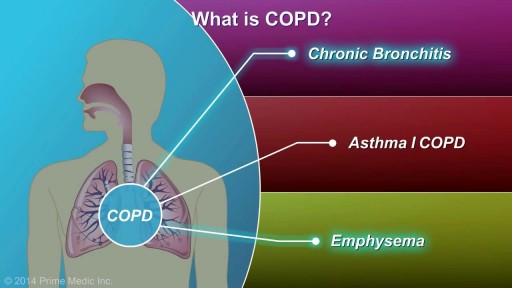
In short: COPD includes chronic bronchitis and emphysema, which damage the airways and air sacs so air flows out poorly. Smoking is the main cause. Treatment cannot undo damage but can ease symptoms, reduce flare-ups, and help people stay active.
Watch: COPD videos
Read: the plain-language guide
Overview
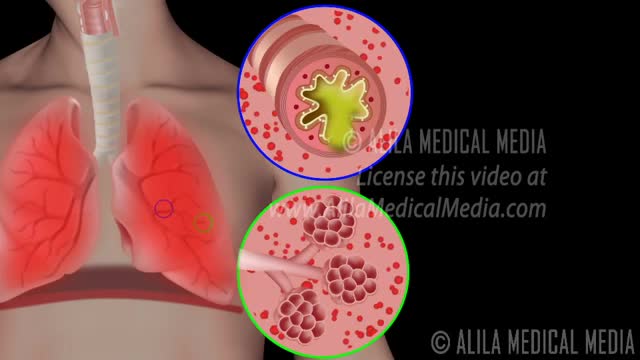
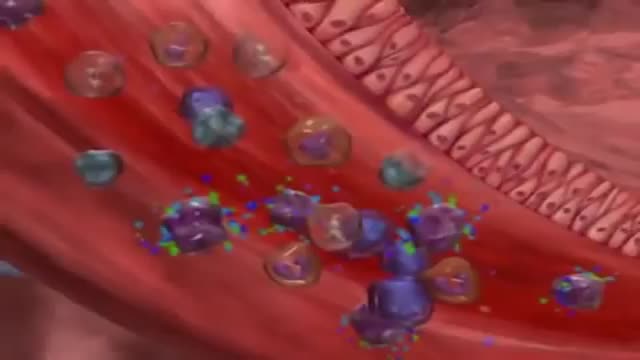
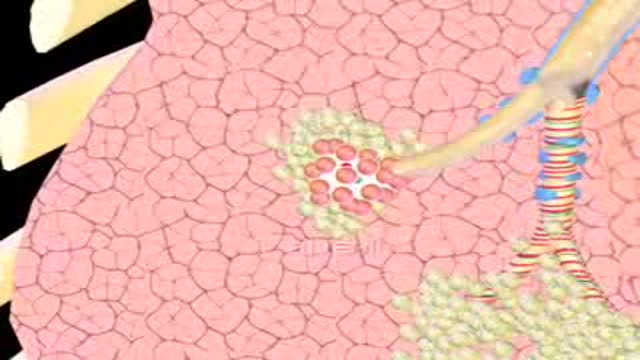
In COPD, the airways become inflamed and narrowed, and the tiny air sacs where oxygen enters the blood can lose their elasticity or be destroyed. As a result, air gets trapped in the lungs and breathing takes more effort. The two main forms are chronic bronchitis, involving long-term airway inflammation and mucus, and emphysema, involving damage to the air sacs; many people have features of both. COPD develops slowly over years and is a major cause of illness worldwide. Although lung damage is permanent, stopping exposure to smoke and dust and following treatment can slow decline and improve daily life.
Symptoms
Symptoms develop gradually and are often blamed on aging or being unfit at first. The main signs are increasing breathlessness, first with exertion and later with everyday activities, a persistent cough, and regularly bringing up mucus. Wheezing and chest tightness are common, and chest infections occur more often and take longer to clear. As COPD advances, people may feel very tired, lose weight, or notice swollen ankles. Flare-ups, called exacerbations, are periods when symptoms suddenly worsen over days, often triggered by infection or air pollution, and they may need urgent treatment.
Causes & risk factors
Long-term exposure to cigarette smoke is the leading cause of COPD, including in people exposed to secondhand smoke. Other inhaled irritants can also damage the lungs over time, such as dust and fumes in some workplaces, smoke from indoor cooking or heating fuels, and air pollution. Not everyone exposed develops COPD, so individual susceptibility matters. A rare inherited condition, alpha-1 antitrypsin deficiency, can cause emphysema, sometimes in younger people who have never smoked. Asthma that is long-standing and poorly controlled may also contribute to lasting airflow limitation in some people.
How it's diagnosed
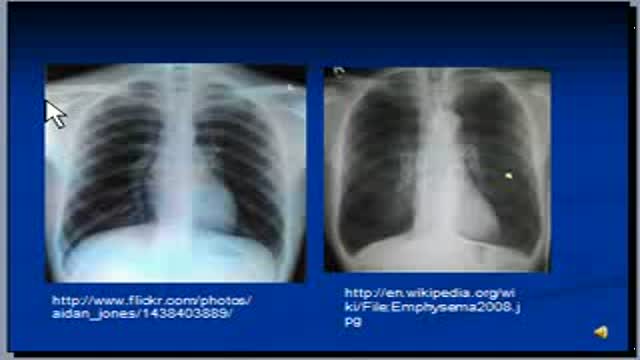
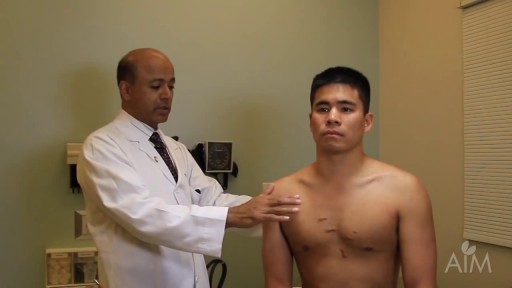
Diagnosis is based on symptoms, exposure history, and a breathing test called spirometry, which measures how much air a person can blow out and how fast. This test confirms that airflow is obstructed and helps grade severity. A clinician may also arrange a chest X-ray or scan to look at the lungs and exclude other causes of breathlessness, plus blood tests, including oxygen levels when disease is more advanced. Because heart disease and other lung conditions can cause similar symptoms, assessment aims to confirm COPD and identify any overlapping problems.
Treatment overview
The most important step is stopping smoking and avoiding other lung irritants, which slows further damage at any stage. Inhaled medicines that open the airways, called bronchodilators, are the mainstay of treatment, and inhaled steroids are added for some people, particularly those with frequent flare-ups. Pulmonary rehabilitation — supervised exercise and education — improves breathlessness and stamina. Vaccinations against flu, pneumonia, and other infections help prevent flare-ups. Some people with advanced disease benefit from long-term oxygen therapy or, rarely, procedures or surgery. Treatment plans are individual and reviewed regularly with the care team.
When to seek care
Seek urgent help for severe breathlessness, inability to speak in full sentences, lips or fingers turning blue or grey, drowsiness, or confusion. A flare-up with rapidly worsening cough, changed mucus, or breathlessness that does not respond to usual inhalers also needs same-day assessment. Chest pain with breathlessness should always be treated as an emergency.
Frequently asked questions
Can the lung damage from COPD be reversed?
The structural lung damage of COPD cannot be reversed, but stopping smoking and avoiding irritants slows further decline. Treatment, rehabilitation, and staying active can meaningfully improve breathlessness, exercise ability, and quality of life at every stage.
Is COPD the same as asthma?
No, although they can overlap. Asthma usually involves variable airway narrowing that responds well to treatment, while COPD causes persistent airflow limitation from long-term lung damage. Some people have features of both, which affects treatment choices.
If I stop smoking, will my COPD improve?
Quitting smoking is the single most effective step to slow COPD. Breathing may not return to normal, but decline slows, cough and mucus often ease, and treatments and rehabilitation tend to work better afterwards.
What is a COPD flare-up?
A flare-up, or exacerbation, is a sudden worsening of breathlessness, cough, or mucus lasting days, often triggered by infection or pollution. Flare-ups can be serious and may need extra treatment or hospital care, so early advice matters.
More in Lungs & Breathing
Related topics on MedicalVideos.com
Sources & further reading
Authoritative references for readers who want to go deeper:
This page is for general education only and is not medical advice. Severe breathlessness, blue or grey lips, drowsiness, or confusion in COPD is an emergency and needs immediate medical help.