
- Physical Examination
- Surgical Examination
- Ophthalmology
- Clinical Skills
- Orthopedics
- Surgery Videos
- Laparoscopy
- Pediatrics
- Funny Videos
- Cardiothoracic Surgery
- Nursing Videos
- Plastic Surgery
- Otorhinolaryngology
- Histology and Histopathology
- Neurosurgery
- Dermatology
- Pediatric Surgery
- Urology
- Dentistry
- Oncology and Cancers
- Anatomy Videos
- Health and Fitness
- Radiology
- Anaesthesia
- Physical Therapy
- Pharmacology
- Interventional Radiology
- Cardiology
- Endocrinology
- Gynecology
- Emergency Medicine
- Psychiatry and Psychology
- Childbirth Videos
- General Medical Videos
- Nephrology
- Physiology
- Diet and Food Health
- Diabetes Mellitus
- Neurology
- Women Health
- Osteoporosis
- Gastroenterology
- Pulmonology
- Hematology
- Rheumatology
- Toxicology
- Nuclear Medicine
- Infectious Diseases
- Vascular Disease
- Reproductive Health
- Burns and Wound Healing
- Kidney Zone Podcast
- Other
Sleep Apnea
Sleep apnea is a sleep condition where breathing repeatedly stops and starts during the night, often with loud snoring. It can leave people tired during the day and strain general health over time. This page explains symptoms, causes and treatment in plain language, with videos to help you learn more.
✓ Medically reviewed by Dr. Mohamed Ibrahim, MD, PhD — physician-scientist · Last reviewed: November 2026
In short: In the most common form, obstructive sleep apnea, the throat relaxes and narrows during sleep so air cannot flow normally. Breathing pauses lower oxygen briefly and fragment sleep, even if the person does not remember waking. Treatment ranges from lifestyle measures and oral devices to positive airway pressure therapy used during sleep.
Watch: Sleep Apnea videos

Read: the plain-language guide
Overview
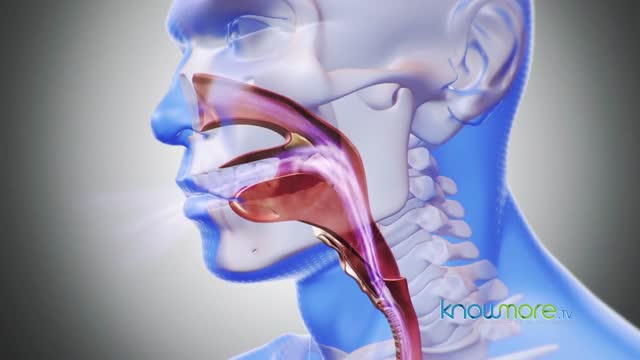
During normal sleep, the airway stays open enough for steady breathing. In obstructive sleep apnea, the muscles and tissues at the back of the throat relax too much, narrowing or closing the airway for short periods. The brain senses the pause and briefly stirs the person to reopen the airway, often with a snort or gasp. These episodes can repeat many times a night. A less common form, central sleep apnea, involves reduced breathing signals from the brain.
Symptoms
Common signs include loud snoring, pauses in breathing noticed by a partner, gasping or choking during sleep, and restless nights. Daytime effects often matter most: excessive sleepiness, morning headaches, dry mouth, difficulty concentrating, memory problems, irritability and low mood. Some people wake often to pass urine at night. Not everyone who snores has sleep apnea, and some people with sleep apnea do not notice symptoms themselves, so a partner's observations can be helpful.
Causes & risk factors
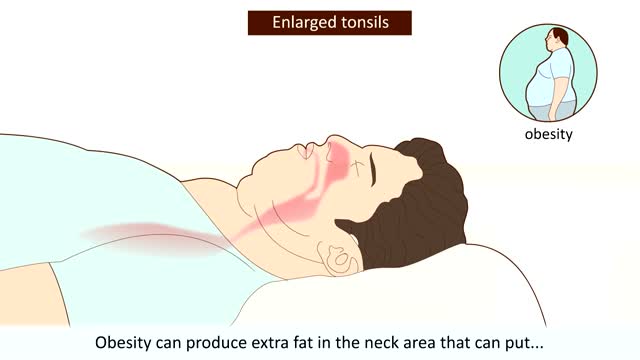
Risk is higher when the airway is naturally narrow or more likely to collapse. Contributing factors include excess weight, especially around the neck, enlarged tonsils, nasal congestion, alcohol or sedative use in the evening, and sleeping on the back. Age and family history also play a role, and the condition is more common in men, though it also affects women, particularly after menopause. Certain medical conditions affecting the heart, hormones or nervous system can contribute.
How it's diagnosed
Diagnosis starts with a history of sleep and daytime symptoms, often including a partner's account and screening questionnaires. A sleep study confirms the diagnosis by recording breathing, oxygen levels, heart rate and sleep stages, either in a sleep centre or with home testing equipment. The results show how often breathing is disrupted. Clinicians may also check blood pressure and screen for related conditions such as heart disease and diabetes.
Treatment overview
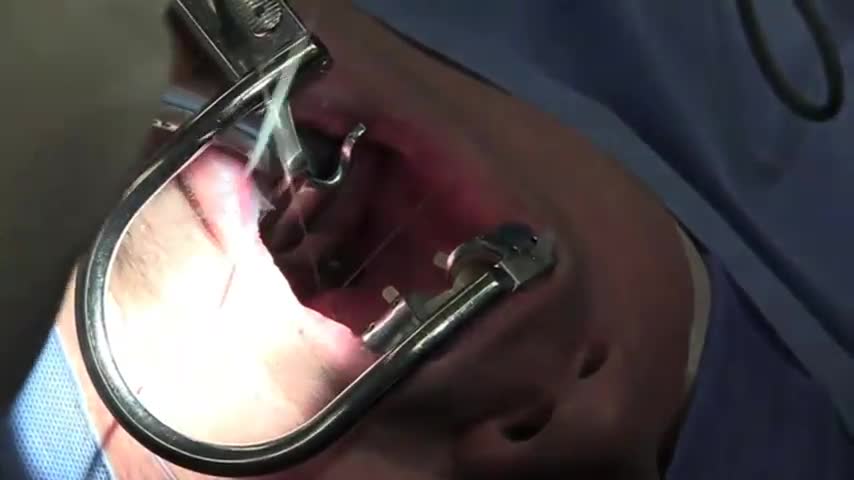
Treatment depends on severity and cause. Lifestyle measures can include weight management, avoiding alcohol and sedatives before bed, treating nasal congestion, and changing sleep position. The standard treatment for moderate to severe disease is continuous positive airway pressure, a machine that gently keeps the airway open through a mask during sleep. Custom oral devices that hold the jaw forward help some people. Surgery is considered only in selected cases. Ongoing follow-up checks benefit and device comfort.
When to seek care
Seek prompt medical advice for loud snoring with witnessed breathing pauses, gasping at night, or marked daytime sleepiness, especially if you drive or operate machinery. Seek urgent care for chest pain, severe breathlessness or confusion. Untreated sleep apnea is linked with strain on the heart and blood pressure, so assessment should not be delayed when symptoms are clear.
Frequently asked questions
Is snoring always a sign of sleep apnea?
No. Many people snore without having sleep apnea. Snoring is more concerning when it comes with witnessed pauses in breathing, gasping, restless sleep or significant daytime sleepiness. A sleep study is the way to confirm whether apnea is present and how severe it is.
Does CPAP have to be used every night?
Positive airway pressure works only while it is used, so regular nightly use gives the most benefit for sleep quality and daytime alertness. If the mask is uncomfortable, clinicians can adjust the fit, settings or mask type. It is better to seek adjustments than to stop silently.
Can weight loss help sleep apnea?
For people carrying excess weight, weight loss can reduce the severity of obstructive sleep apnea and sometimes improve it substantially. It is usually combined with other treatment rather than used alone for moderate to severe disease. A clinician can advise on safe, sustainable approaches.
Is sleep apnea dangerous?
Repeated breathing pauses fragment sleep and lower oxygen, and untreated moderate to severe sleep apnea is associated with high blood pressure and heart and metabolic problems. Treatment improves sleepiness and quality of life and may reduce strain on general health.
Related topics on MedicalVideos.com
Sources & further reading
Authoritative references for readers who want to go deeper:
- MedlinePlus: Sleep Apnea
- NHS: Sleep apnoea
- American Academy of Sleep Medicine: Sleep Apnea (American Academy of Sleep Medicine)
This page is for general education only and is not medical advice. Marked daytime sleepiness from possible sleep apnea is a safety risk when driving and should be discussed promptly with a clinician.