
- Physical Examination
- Surgical Examination
- Ophthalmology
- Clinical Skills
- Orthopedics
- Surgery Videos
- Laparoscopy
- Pediatrics
- Funny Videos
- Cardiothoracic Surgery
- Nursing Videos
- Plastic Surgery
- Otorhinolaryngology
- Histology and Histopathology
- Neurosurgery
- Dermatology
- Pediatric Surgery
- Urology
- Dentistry
- Oncology and Cancers
- Anatomy Videos
- Health and Fitness
- Radiology
- Anaesthesia
- Physical Therapy
- Pharmacology
- Interventional Radiology
- Cardiology
- Endocrinology
- Gynecology
- Emergency Medicine
- Psychiatry and Psychology
- Childbirth Videos
- General Medical Videos
- Nephrology
- Physiology
- Diet and Food Health
- Diabetes Mellitus
- Neurology
- Women Health
- Osteoporosis
- Gastroenterology
- Pulmonology
- Hematology
- Rheumatology
- Toxicology
- Nuclear Medicine
- Infectious Diseases
- Vascular Disease
- Reproductive Health
- Burns and Wound Healing
- Kidney Zone Podcast
- Other
Erectile Dysfunction
Erectile dysfunction is the persistent difficulty in getting or keeping an erection firm enough for sexual activity. This page explains its causes and treatment in plain language, with videos to help you follow the key points.
✓ Medically reviewed by Dr. Mohamed Ibrahim, MD, PhD — physician-scientist · Last reviewed: November 2026
In short: Occasional erection difficulty is common and usually nothing to worry about. Persistent erectile dysfunction often has a physical cause, especially reduced blood flow, and can be an early warning sign of cardiovascular disease. Effective treatments exist, and assessment also checks overall health.
Watch: Erectile Dysfunction videos
 Treatment of Penis Deep Dorsal Venous Leakage of Erectile Dysfunction by Embedding the Deep Dorsal V
43,322 views
 USMLE Step 2 CS - Erectile Dysfunction Full Video
21,028 views
 Erectile Dysfunction - Cause and Treatment
14,283 views
 Erectile Dysfunction Information 3D Animation
13,399 views
 Scientifically Erectile Dysfunction Penile Implants
12,814 views
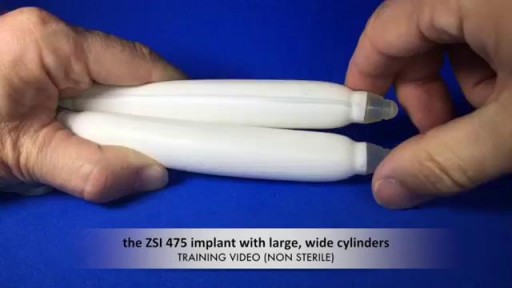 Penile Implant for Erectile Dysfunction
8,168 views
Read: the plain-language guide
Overview
An erection depends on healthy blood vessels, nerves, hormones, and psychological arousal working together. Blood flows into the penis and is trapped there, while signals from the brain and local nerves coordinate the process. Erectile dysfunction arises when any part of this system is disrupted. It becomes more common with age but is not an inevitable part of aging. Because the arteries supplying the penis are small, erection problems can appear some years before the same vessel disease causes heart symptoms, which makes assessment a useful health check.
Symptoms
The main symptom is difficulty achieving an erection, or an erection that is not firm enough or does not last long enough for satisfactory sexual activity. Morning or spontaneous erections may reduce or disappear when the cause is physical, while erections that remain normal in some situations point more toward psychological contributors. Reduced sexual desire may accompany the problem, particularly when hormone levels or mood are involved. Symptoms are considered significant when they persist over months rather than occurring as an occasional episode linked to tiredness, alcohol, or stress.
Causes & risk factors
Physical causes are common. Narrowing of the arteries from cardiovascular disease, high blood pressure, diabetes, high cholesterol, smoking, and obesity all reduce blood flow. Nerve damage from diabetes, pelvic surgery, or spinal injury can interrupt signals. Low testosterone and thyroid problems occasionally contribute. Many medicines, including some blood pressure and antidepressant medicines, list erection problems as a side effect. Psychological factors such as stress, anxiety, depression, and relationship difficulties frequently coexist with physical causes, and performance anxiety can maintain the problem once it has started.
How it's diagnosed
Assessment starts with a conversation about symptoms, general health, medicines, smoking, alcohol, and mood, because erectile dysfunction is often a marker of wider health issues. Examination may include blood pressure, pulse, and genital examination. Blood tests commonly check blood sugar, cholesterol, and morning testosterone, with further hormone tests if indicated. A clinician also assesses cardiovascular risk, since finding and treating vessel disease matters beyond sexual function. Most men need no scans; specialist tests are reserved for unusual cases, younger men with a history of injury, or problems present from the start of sexual life.
Treatment overview
Treatment addresses causes as well as the erection itself. Stopping smoking, losing weight, exercising, and moderating alcohol improve both erectile function and heart health. Reviewing contributing medicines sometimes helps. The best-known treatments are tablets that enhance blood flow in response to sexual stimulation; they are unsuitable with certain heart medicines and need medical advice first. Alternatives include vacuum erection devices, medicines delivered into or via the urethra, injections, and hormone treatment when deficiency is confirmed. Psychosexual therapy helps when anxiety or relationship factors are prominent, and surgery is a last resort.
When to seek care
Seek emergency care for an erection lasting several hours, which can damage the penis, or for erection problems accompanied by chest pain. Arrange a review for persistent erectile dysfunction, since it can be an early sign of cardiovascular disease or diabetes that needs treatment.
Frequently asked questions
Is erectile dysfunction a sign of heart disease?
It can be. The same artery narrowing that reduces blood flow to the penis also affects the heart, and erection problems sometimes appear before heart symptoms. Persistent erectile dysfunction is therefore a good prompt for a cardiovascular health check.
Do erection tablets work for everyone?
No. Tablets that enhance blood flow help many men but not all, and they require sexual stimulation to work. They must not be combined with nitrate heart medicines, and men for whom they fail still have other options, including devices and injections.
Can lifestyle changes really help?
Yes. Exercise, weight loss, stopping smoking, and reducing alcohol can measurably improve erections, particularly when the cause is early blood vessel disease. These changes also lower heart risk, which is one reason assessment looks at overall health, not just the erection.
Is it all in my mind?
Rarely entirely. Psychological factors such as anxiety and low mood often contribute, but physical causes are present in most persistent cases, and the two commonly interact. A proper assessment considers both rather than assuming either explanation alone.
More in Men's Health
Related topics on MedicalVideos.com
Sources & further reading
Authoritative references for readers who want to go deeper:
This page is for general education only and is not medical advice. An erection that lasts several hours is a medical emergency, and erection tablets must never be combined with nitrate heart medicines.