
- Physical Examination
- Surgical Examination
- Ophthalmology
- Clinical Skills
- Orthopedics
- Surgery Videos
- Laparoscopy
- Pediatrics
- Funny Videos
- Cardiothoracic Surgery
- Nursing Videos
- Plastic Surgery
- Otorhinolaryngology
- Histology and Histopathology
- Neurosurgery
- Dermatology
- Pediatric Surgery
- Urology
- Dentistry
- Oncology and Cancers
- Anatomy Videos
- Health and Fitness
- Radiology
- Anaesthesia
- Physical Therapy
- Pharmacology
- Interventional Radiology
- Cardiology
- Endocrinology
- Gynecology
- Emergency Medicine
- Psychiatry and Psychology
- Childbirth Videos
- General Medical Videos
- Nephrology
- Physiology
- Diet and Food Health
- Diabetes Mellitus
- Neurology
- Women Health
- Osteoporosis
- Gastroenterology
- Pulmonology
- Hematology
- Rheumatology
- Toxicology
- Nuclear Medicine
- Infectious Diseases
- Vascular Disease
- Reproductive Health
- Burns and Wound Healing
- Kidney Zone Podcast
- Other
Prostatitis
Prostatitis is inflammation or irritation of the prostate gland, a small gland below the bladder in men. This page explains its symptoms, causes, and treatment in plain language, with videos to help you follow the key points.
✓ Medically reviewed by Dr. Mohamed Ibrahim, MD, PhD — physician-scientist · Last reviewed: November 2026
In short: Prostatitis can be caused by bacterial infection, which may start suddenly with fever and difficulty urinating, or it may be a long-lasting pelvic pain condition without infection. Antibiotics treat bacterial types; the chronic pain type needs a broader, longer-term approach.
Watch: Prostatitis videos



Read: the plain-language guide
Overview
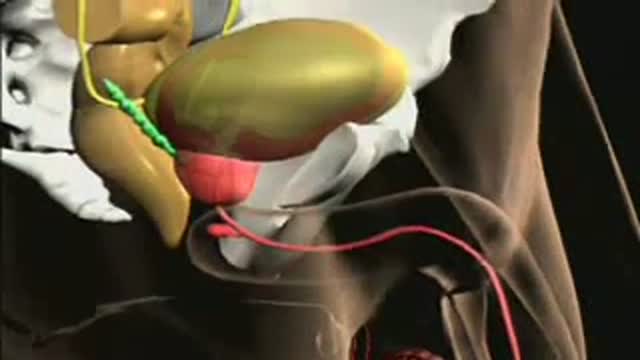
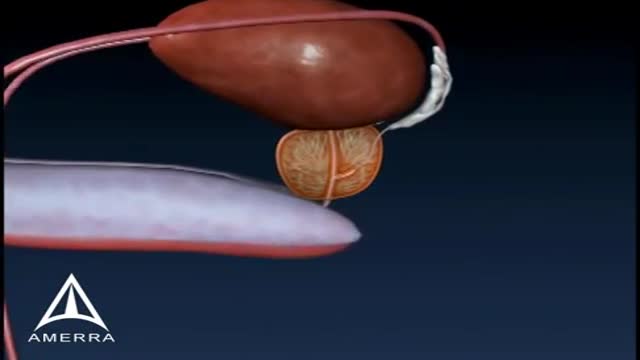
The prostate sits just below the bladder and surrounds the tube that carries urine out of the body, which is why prostate problems so often affect urination. Prostatitis is an umbrella term covering several distinct conditions. Acute bacterial prostatitis is a sudden, serious infection. Chronic bacterial prostatitis involves infection that keeps returning. The most common form is chronic pelvic pain syndrome, in which pain persists without a detectable infection; inflammation may or may not be present. A further type shows inflammation on tests but causes no symptoms at all.
Symptoms
Symptoms depend on the type. Acute bacterial prostatitis causes fever, chills, flu-like aching, pain in the lower back, groin, or genital area, and burning or difficulty when urinating, sometimes with inability to pass urine at all. Chronic bacterial infection tends to cause repeated urinary infections with similar but milder symptoms between flare-ups. Chronic pelvic pain syndrome causes aching in the perineum, the area between the scrotum and back passage, the tip of the penis, or the lower abdomen, often with urinary frequency and pain during or after ejaculation.
Causes & risk factors
Bacterial prostatitis is usually caused by the same bacteria that cause urinary tract infections, reaching the prostate from the urinary tract. Risk rises with urinary catheters, prostate enlargement, recent urinary procedures, and conditions that weaken immunity. The cause of chronic pelvic pain syndrome is less clear and is probably a combination of factors: pelvic floor muscle tension, irritation of nerves supplying the pelvis, past infection or injury, and stress can all contribute. Because several mechanisms may overlap, treatment for this type often needs to address more than one of them.
How it's diagnosed
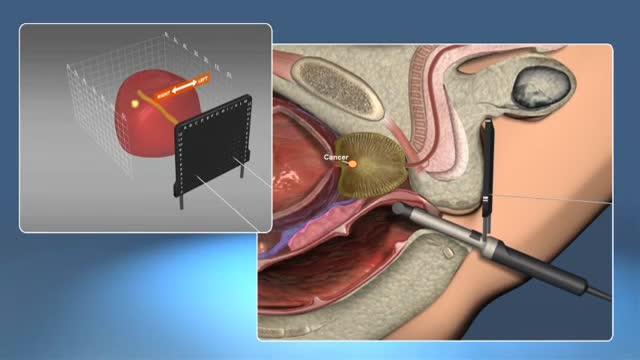
A clinician will ask about symptoms and examine the abdomen and genitals, and usually performs a rectal examination to feel the prostate, which may be tender or swollen. Urine tests look for infection and blood, and a urine culture identifies the responsible bacteria when present. Blood tests may be taken when infection seems severe. In chronic cases, further tests can include urine flow studies, an ultrasound of the bladder, or referral to a urologist. A prostate-specific antigen blood test can be misleading during prostatitis, because inflammation itself raises the level.
Treatment overview
Acute bacterial prostatitis is treated with antibiotics, sometimes started in hospital with fluids and pain relief when a man is very unwell, followed by a course of tablets at home. Chronic bacterial prostatitis also needs antibiotics, usually for longer, because medicines penetrate prostate tissue slowly. Chronic pelvic pain syndrome is managed differently: options include medicines for pain and urinary symptoms, pelvic floor physiotherapy, heat, exercise, and support for stress and sleep. Avoiding personal triggers such as long periods of sitting, cycling pressure, alcohol, or spicy food helps some men.
When to seek care
Seek urgent care for fever with prostate pain, inability to pass urine, shaking chills, or feeling seriously unwell, as acute bacterial prostatitis can lead to sepsis. Arrange prompt review for repeated urinary infections, worsening pelvic pain, or blood in the urine or semen.
Frequently asked questions
Is prostatitis the same as prostate enlargement?
No. Prostatitis is inflammation or pain involving the prostate and can affect younger men, while enlargement is a gradual, noncancerous growth of the gland that becomes common with age. The two can occur together and can cause overlapping urinary symptoms.
Can prostatitis be sexually transmitted?
Most prostatitis is not a sexually transmitted infection; it usually involves ordinary urinary bacteria or, in the chronic pain type, no infection at all. If a sexually transmitted infection is suspected from the history, testing and partner treatment are arranged.
Why does chronic prostatitis keep coming back?
Bacteria can shelter within the prostate, where antibiotics penetrate poorly, so infection may flare again after treatment stops. In the chronic pain type, muscle tension, nerve sensitivity, and stress can maintain symptoms even when no infection remains.
Does prostatitis turn into prostate cancer?
Prostatitis is not cancer and is not known to turn into cancer. However, its symptoms can overlap with other prostate conditions, and inflammation can temporarily raise the prostate-specific antigen level, so follow-up is arranged to make sure levels settle afterwards.
More in Men's Health
Related topics on MedicalVideos.com
Sources & further reading
Authoritative references for readers who want to go deeper:
This page is for general education only and is not medical advice. Fever, shaking chills, or inability to pass urine with prostate pain can signal a serious infection and needs emergency care.