
- Physical Examination
- Surgical Examination
- Ophthalmology
- Clinical Skills
- Orthopedics
- Surgery Videos
- Laparoscopy
- Pediatrics
- Funny Videos
- Cardiothoracic Surgery
- Nursing Videos
- Plastic Surgery
- Otorhinolaryngology
- Histology and Histopathology
- Neurosurgery
- Dermatology
- Pediatric Surgery
- Urology
- Dentistry
- Oncology and Cancers
- Anatomy Videos
- Health and Fitness
- Radiology
- Anaesthesia
- Physical Therapy
- Pharmacology
- Interventional Radiology
- Cardiology
- Endocrinology
- Gynecology
- Emergency Medicine
- Psychiatry and Psychology
- Childbirth Videos
- General Medical Videos
- Nephrology
- Physiology
- Diet and Food Health
- Diabetes Mellitus
- Neurology
- Women Health
- Osteoporosis
- Gastroenterology
- Pulmonology
- Hematology
- Rheumatology
- Toxicology
- Nuclear Medicine
- Infectious Diseases
- Vascular Disease
- Reproductive Health
- Burns and Wound Healing
- Kidney Zone Podcast
- Other
Forensic Pathology & Autopsy
An autopsy — also called a postmortem examination — is a systematic medical examination of a body after death. Its purpose is to establish the cause and manner of death and to document disease and injury. Forensic pathology is the branch of pathology that applies this examination to deaths with legal significance: deaths that are sudden, unexpected, violent, or unexplained. This page explains the two kinds of autopsy, who performs them, what happens step by step, and what families can expect — and it gathers our educational postmortem and anatomy-laboratory videos in one place.
✓ Medically reviewed by Dr. Mohamed Ibrahim, MD, PhD — physician-scientist · Last reviewed: November 2026
A note on the videos: the films on this page show real postmortem examinations and cadaver dissection, recorded for the education of medical students and professionals. They are graphic by nature. If you are looking into a death in your own family, the family sections below may serve you better, and the medical examiner’s or coroner’s office handling the case can answer questions about it directly.
Two kinds of autopsy
Hospital (clinical) autopsy. Performed in a hospital morgue, usually at the request of the treating team or the family, to understand the disease that caused a death, confirm or correct the clinical diagnosis, and learn from the case. It generally requires written authorisation from the next of kin.
Forensic (medico-legal) autopsy. Ordered by a medical examiner or coroner under legal authority when a death may involve injury, poisoning, neglect, or crime — or when the cause is unknown. Family consent is not required for this kind, because the examination serves a legal duty: establishing the facts of the death for the record, and sometimes for a court.
Why an autopsy is performed
- To establish the cause of death — the disease or injury that started the chain of events leading to death.
- To establish the manner of death — classified as natural, accident, suicide, homicide, or undetermined.
- To answer for families — many deaths at home or without warning leave questions that only an examination can settle.
- To check the clinical diagnosis — autopsies have a long record of confirming, refining, and sometimes correcting what was believed during life, which is one of medicine’s oldest quality checks.
- To protect relatives — an examination can reveal inherited or infectious conditions that matter to blood relatives.
- To serve public health and the law — patterns in deaths (an outbreak, a dangerous product, a pattern of injury) often surface first in the morgue.
- To teach — the postmortem room remains a core classroom for pathology, anatomy, and clinical medicine.
Who performs an autopsy
Autopsies are performed by pathologists — physicians who specialise in the laboratory study of disease. Forensic pathologists complete additional fellowship training in medico-legal death investigation and perform the examinations in medical examiner systems. They are assisted by autopsy technicians and pathologists’ assistants, and in medico-legal cases by death investigators who gather the history and scene information the pathologist works from.
Two office systems exist side by side, and which one covers a death depends on the jurisdiction. A medical examiner is a physician — usually a forensic pathologist — appointed to the role. A coroner is an elected or appointed official who oversees death investigation but is not necessarily a physician; coroners refer examinations to pathologists. Both offices answer the same questions.
What happens during an autopsy
The examination follows a consistent sequence, adapted to the questions each case raises:
- Review. The pathologist studies the medical records and, in medico-legal cases, the circumstances and scene findings, and may review imaging before beginning.
- External examination. The body is identified and examined as received — clothing, personal effects, identifying features, and any marks of injury or medical intervention are documented, with photographs and, where indicated, X-rays.
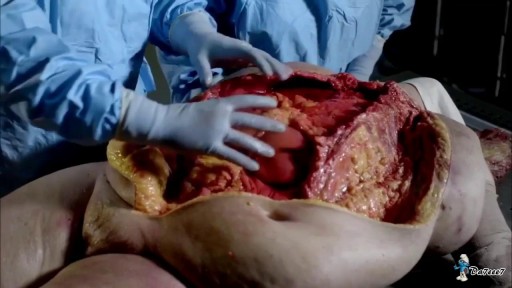
- Internal examination. The body cavities are opened and the organs are assessed in place, then removed, weighed, and sectioned so their internal structure can be inspected.
- Laboratory sampling. Small tissue samples are kept for microscopic examination, and blood and other fluids may be sent for toxicology or microbiology. These laboratory steps are why a final report takes longer than the examination itself.
- Restoration and release. The body is restored and released to the funeral home chosen by the family. Incisions are placed so they are concealed by clothing.
- Reporting. Preliminary findings are often available within a day or two. The final report follows once microscopy and toxicology are complete, which can take several weeks.
The examination itself commonly takes a few hours. Throughout, the aim is the same one stated at the top of this page: to establish, from the evidence of the body, how and why this person died.
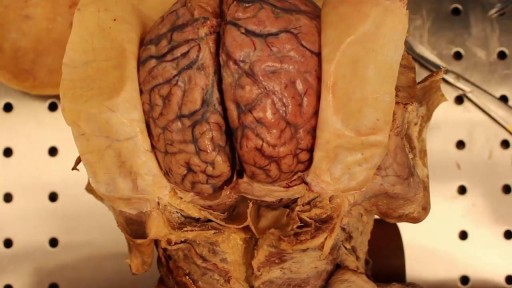
Autopsy & postmortem examination videos
Consent, families, and faith traditions
Hospital autopsies proceed only with the authorisation of the next of kin, who can usually set limits on the examination’s scope. Medico-legal autopsies are different: when a death falls under a medical examiner’s or coroner’s jurisdiction, the examination is required by law and does not depend on family consent — although families can ask questions, share information the pathologist should know, and in many jurisdictions raise a religious objection through a defined process.
Many faith traditions place weight on prompt burial and on treating the body with particular care. Death-investigation offices work with funeral homes every day and, wherever the case allows, work to release the body promptly and to accommodate religious practice. If small tissue samples are kept for laboratory study after the body is released — a routine part of a complete examination — this is documented in the report, and families may ask the office what was retained.
An autopsy does not prevent a viewing or an open-casket funeral in most cases. Funeral directors work with postmortem examinations routinely and can advise on the specifics of a given case.
Virtual autopsy: postmortem imaging
Some centres now scan the body with CT or MRI before, or in selected cases instead of, a conventional examination — an approach often called virtopsy or postmortem imaging. Imaging is strong at showing fractures, air and fluid collections, and foreign objects, and it creates a permanent record that can be re-examined. It does not replace the conventional autopsy for every question: it cannot take tissue for microscopy or fluids for toxicology, and some natural diseases leave few imaging signs. In practice the two approaches are most often combined, with the scan guiding the examination.
Cadaver dissection in the anatomy lab
Distinct from the autopsy, anatomy-laboratory dissection is how medical students learn the body’s structure from donors who gave their bodies to education. The technique — layer-by-layer exposure of structures — is shared with postmortem work, and these films sit naturally beside the autopsy videos above.
For students: what the autopsy teaches
The postmortem examination ties the whole of medicine together: the history, the imaging, the laboratory values, and the anatomy, checked against what is actually found. Students learn three-dimensional anatomy that no atlas fully conveys, how diseases change organs over time, and how a death certificate’s cause-of-death statement is built from evidence. Work through the cases above, then test yourself in our Test Yourself quizzes, or browse the wider Anatomy video library.
Frequently asked questions
What is the difference between a coroner and a medical examiner?
A medical examiner is a physician — usually a board-certified forensic pathologist — appointed to investigate deaths in a jurisdiction. A coroner is an elected or appointed official who oversees death investigation but is not necessarily a physician; coroners arrange for pathologists to perform the examinations. Which system operates depends on the state or country.
How long does an autopsy take?
The examination itself commonly takes a few hours. Preliminary findings are often available within a day or two, but the final report waits on microscopic examination and toxicology, and can take several weeks to complete.
Can a family refuse an autopsy?
For a hospital autopsy, yes — it proceeds only with next-of-kin authorisation. A medico-legal autopsy ordered by a medical examiner or coroner is required by law and does not depend on consent, though families can share concerns and, in many jurisdictions, raise a religious objection through a formal process.
Does an autopsy cost the family anything?
A medical examiner or coroner autopsy is a public function and is generally performed at no charge to the family. Hospital autopsy policies vary by institution; many hospitals do not bill families, but it is reasonable to ask in advance.
Can there be an open-casket funeral after an autopsy?
In most cases, yes. Incisions are placed where clothing conceals them, and funeral directors are experienced in preparing a body after a postmortem examination. Your funeral director can advise on your specific situation.
What is a virtual autopsy?
A virtual autopsy uses postmortem CT or MRI imaging to examine the body without — or before — a conventional internal examination. It is very good at showing fractures and foreign objects, but it cannot collect tissue or fluid samples, so many centres use it alongside, rather than instead of, the standard examination.
Sources & further reading
Authoritative references for readers who want to go deeper:
This page is for education only and is not a substitute for the findings of the office handling a specific death. Families with questions about a particular case should contact the medical examiner’s or coroner’s office, or the hospital pathology department, responsible for it.