
- Physical Examination
- Surgical Examination
- Ophthalmology
- Clinical Skills
- Orthopedics
- Surgery Videos
- Laparoscopy
- Pediatrics
- Funny Videos
- Cardiothoracic Surgery
- Nursing Videos
- Plastic Surgery
- Otorhinolaryngology
- Histology and Histopathology
- Neurosurgery
- Dermatology
- Pediatric Surgery
- Urology
- Dentistry
- Oncology and Cancers
- Anatomy Videos
- Health and Fitness
- Radiology
- Anaesthesia
- Physical Therapy
- Pharmacology
- Interventional Radiology
- Cardiology
- Endocrinology
- Gynecology
- Emergency Medicine
- Psychiatry and Psychology
- Childbirth Videos
- General Medical Videos
- Nephrology
- Physiology
- Diet and Food Health
- Diabetes Mellitus
- Neurology
- Women Health
- Osteoporosis
- Gastroenterology
- Pulmonology
- Hematology
- Rheumatology
- Toxicology
- Nuclear Medicine
- Infectious Diseases
- Vascular Disease
- Reproductive Health
- Burns and Wound Healing
- Kidney Zone Podcast
- Other
Hepatitis B
Hepatitis B is a viral infection that affects the liver and spreads through blood and certain body fluids. This guide explains hepatitis B symptoms, prevention, and treatment in plain language, with videos to help you understand testing.
✓ Medically reviewed by Dr. Mohamed Ibrahim, MD, PhD — physician-scientist · Last reviewed: November 2026
In short: Hepatitis B can cause a short illness or become a long-term infection that quietly damages the liver over years. Vaccination prevents it, blood tests detect it, and antiviral treatment can control long-term infection.
Watch: Hepatitis B videos


Read: the plain-language guide
Overview
Hepatitis B is caused by a virus that infects the liver. Many adults who catch it clear the virus within a few months; this is acute hepatitis B. When the virus persists beyond that, it is called chronic hepatitis B, which is more likely when infection happens in infancy or early childhood. Chronic infection may cause no symptoms for years while inflammation slowly scars the liver, potentially leading to cirrhosis and liver cancer. Regular monitoring is therefore important even when a person feels completely well.
Symptoms
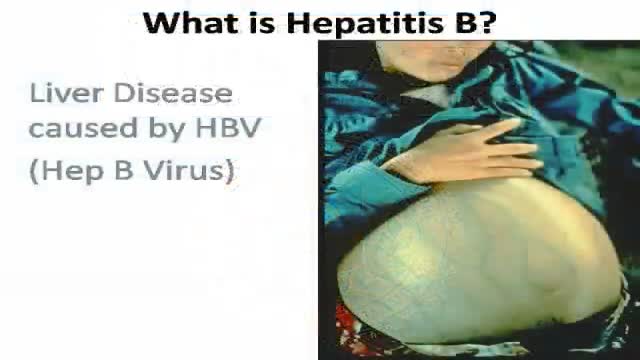
Many people with hepatitis B have no symptoms, especially with chronic infection. Acute infection can cause tiredness, loss of appetite, nausea, abdominal discomfort on the right side, dark urine, pale stools, joint aches, and jaundice, where the skin and whites of the eyes turn yellow. Chronic infection may only be discovered through blood tests, or when liver damage is advanced, with swelling of the abdomen, easy bruising, or confusion in severe disease. Because symptoms are unreliable, testing is the only way to know your status.
Causes & risk factors
Hepatitis B spreads through contact with infected blood and certain body fluids. Routes include sharing needles or equipment, unsterile tattooing or medical procedures, sharing razors or toothbrushes, sexual contact, and transmission from mother to baby around birth. It does not spread through hugging, sharing food, coughing, or breastfeeding in usual circumstances. Vaccination provides strong protection and is recommended for babies, unvaccinated children and adults at risk, and close contacts of people with the infection. Babies born to mothers with hepatitis B need prompt preventive treatment.
How it's diagnosed
Hepatitis B is diagnosed with blood tests that look for parts of the virus and for antibodies showing immunity, past infection, or current infection. Further tests measure the amount of virus, liver inflammation, and whether infection is active. Clinicians may check liver stiffness with a scan to assess scarring, and test for other infections that affect management. Results distinguish between acute infection, chronic infection, past cleared infection, and vaccine immunity, and each pattern leads to different advice about treatment, monitoring, vaccination of contacts, and prevention.
Treatment overview
Acute hepatitis B in adults usually needs supportive care rather than specific antiviral medicine, with monitoring until the virus clears. Chronic hepatitis B does not always need immediate treatment, but it always needs regular monitoring of liver health and virus activity. When treatment is indicated, antiviral medicines taken long term can suppress the virus, reduce liver inflammation, and lower the risk of cirrhosis and liver cancer, though they rarely remove the virus completely. Avoiding alcohol protects the liver. Decisions are individual and specialist-guided.
When to seek care
Seek prompt care for jaundice, severe nausea or vomiting, confusion, unusual sleepiness, severe abdominal pain, or vomiting blood. People who may have been exposed through a needle injury or a partner's diagnosis should seek advice quickly about testing and vaccination. Anyone diagnosed with chronic infection should keep regular monitoring appointments even when well.
Frequently asked questions
Can hepatitis B be cured?
Most adults clear acute hepatitis B on their own. Chronic hepatitis B can usually be controlled with antiviral medicines that suppress the virus and protect the liver, but complete removal of the virus is uncommon. Regular monitoring remains important even on treatment, and specialists advise on the goals and duration of therapy for each person.
How can I protect others if I have hepatitis B?
Avoid sharing razors, toothbrushes, needles, or glucose-monitoring equipment, cover cuts, and clean blood spills carefully. Household and sexual contacts should be offered testing and vaccination. Hepatitis B is not spread by hugging, sharing meals, or using the same toilet, so everyday family life can continue normally with these precautions.
Does the hepatitis B vaccine work?
Yes. The hepatitis B vaccine is a well-established, effective way to prevent infection and is given to babies in many countries and to adults at increased risk. Vaccination also protects close contacts of people living with chronic infection.
Can hepatitis B pass to a baby during pregnancy?
Hepatitis B can pass from mother to baby around the time of birth, which is why pregnant women are routinely offered testing. Babies of mothers with the infection receive vaccination and, where advised, antibody treatment promptly after birth, which greatly reduces transmission. Mothers are also assessed for treatment to protect their own liver health.
More in Infections
Related topics on MedicalVideos.com
Sources & further reading
Authoritative references for readers who want to go deeper:
This page is for general education only and is not medical advice. Jaundice, confusion, vomiting blood, or a possible recent exposure to hepatitis B needs prompt medical advice about testing and vaccination.