
- Physical Examination
- Surgical Examination
- Ophthalmology
- Clinical Skills
- Orthopedics
- Surgery Videos
- Laparoscopy
- Pediatrics
- Funny Videos
- Cardiothoracic Surgery
- Nursing Videos
- Plastic Surgery
- Otorhinolaryngology
- Histology and Histopathology
- Neurosurgery
- Dermatology
- Pediatric Surgery
- Urology
- Dentistry
- Oncology and Cancers
- Anatomy Videos
- Health and Fitness
- Radiology
- Anaesthesia
- Physical Therapy
- Pharmacology
- Interventional Radiology
- Cardiology
- Endocrinology
- Gynecology
- Emergency Medicine
- Psychiatry and Psychology
- Childbirth Videos
- General Medical Videos
- Nephrology
- Physiology
- Diet and Food Health
- Diabetes Mellitus
- Neurology
- Women Health
- Osteoporosis
- Gastroenterology
- Pulmonology
- Hematology
- Rheumatology
- Toxicology
- Nuclear Medicine
- Infectious Diseases
- Vascular Disease
- Reproductive Health
- Burns and Wound Healing
- Kidney Zone Podcast
- Other
Cirrhosis
Cirrhosis is long-term scarring of the liver that makes it harder for the liver to do its jobs, such as filtering blood and helping with digestion. This page explains the symptoms, causes and treatment options in plain language, with videos to help you understand what happens and how care is planned.
✓ Medically reviewed by Dr. Mohamed Ibrahim, MD, PhD — physician-scientist · Last reviewed: November 2026
In short: Cirrhosis develops slowly when repeated liver injury leaves permanent scar tissue instead of healthy liver tissue. Early stages may cause no symptoms, but over time it can affect energy, appetite, fluid balance and thinking. Treatment focuses on treating the underlying cause, preventing further damage and managing complications.
Watch: Cirrhosis videos
Read: the plain-language guide
Overview
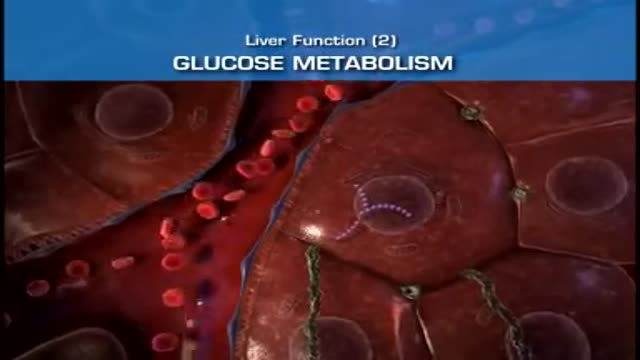
The liver is a large organ that processes nutrients, makes proteins, stores energy and removes harmful substances from the blood. In cirrhosis, ongoing injury causes healthy tissue to be replaced by scar tissue and nodules. The liver becomes stiffer, blood flow through it is reduced, and its ability to work falls. Cirrhosis is a long-term condition that cannot usually be reversed once advanced, but treating the cause early can slow or sometimes stop further damage.
Symptoms
Many people have no symptoms in the early stages, and cirrhosis may first be found on blood tests or scans done for another reason. As liver function worsens, common symptoms include tiredness, weakness, loss of appetite, nausea and weight loss. Yellowing of the skin and eyes, called jaundice, itchy skin, swelling in the legs or abdomen, easy bruising, and confusion or sleepiness can also occur. Symptoms vary widely and do not by themselves show how advanced the condition is.
Causes & risk factors
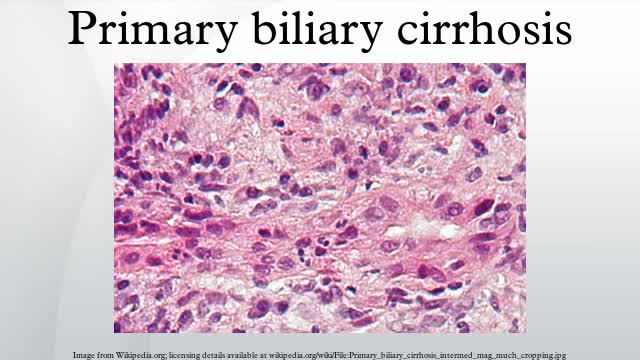
Cirrhosis results from long-standing liver injury rather than a single event. Common causes include long-term hepatitis B or hepatitis C infection, heavy alcohol use over many years, and fatty liver disease linked with excess weight and metabolic conditions. Less common causes include autoimmune liver diseases, inherited conditions affecting iron or copper storage, and some long-term bile duct disorders. More than one factor can contribute in the same person, and identifying every cause helps guide treatment and prevention.
How it's diagnosed
Diagnosis usually combines a medical history, physical examination and blood tests that assess liver function, blood clotting and blood counts. Imaging such as ultrasound, CT or MRI can show the size and surface of the liver and look for fluid or other complications. Special scans or blood-based scores may estimate scarring. Sometimes a liver biopsy is used to confirm the stage and cause. Clinicians also screen for related problems, including liver cancer and enlarged veins.
Treatment overview
Treatment aims to protect remaining liver function and manage complications. This includes treating the underlying cause, such as antiviral treatment for viral hepatitis, support to stop alcohol use, and lifestyle measures for fatty liver disease. Vaccinations, nutrition support and avoiding medicines that strain the liver may be part of care. Complications such as fluid build-up, confusion or bleeding are treated individually. In advanced disease, liver transplantation may be considered, and decisions are individual and made with a specialist team.
When to seek care
Seek urgent care for vomiting blood, black stools, severe abdominal swelling or pain, marked confusion, extreme sleepiness, fever with abdominal pain, or rapidly worsening yellowing of the skin and eyes. These can signal serious complications that need prompt assessment. People with known cirrhosis should also contact their care team quickly if they become much more tired, confused or unwell than usual.
Frequently asked questions
Can cirrhosis be reversed?
Advanced scar tissue usually does not fully reverse, but treating the underlying cause can stop further injury and sometimes improve liver function, especially when treatment starts early. The outlook depends on the cause, the stage and overall health, and is best discussed with a liver specialist.
Does cirrhosis always cause symptoms?
No. Early cirrhosis often causes no noticeable symptoms and may only be found through blood tests or imaging. Symptoms tend to appear as liver function declines or complications develop, which is why regular monitoring is important even when a person feels well.
What foods are helpful with cirrhosis?
General advice often includes a balanced diet with enough protein and calories, limiting salt if fluid build-up is present, and avoiding alcohol completely. Needs vary with stage and complications, so a dietitian or clinician should tailor nutrition advice to the individual.
Is cirrhosis the same as liver failure?
Not exactly. Cirrhosis describes long-term scarring of the liver. Liver failure means the liver can no longer do enough of its essential jobs. Some people live for years with compensated cirrhosis, while decompensated disease involves complications and needs closer specialist care.
More in Digestive
Related topics on MedicalVideos.com
Sources & further reading
Authoritative references for readers who want to go deeper:
- MedlinePlus: Cirrhosis
- NHS: Cirrhosis
- American Liver Foundation: Cirrhosis (American Liver Foundation)
This page is for general education only and is not medical advice. Vomiting blood, black stools, severe confusion or rapid abdominal swelling with cirrhosis need urgent medical attention.