
- Physical Examination
- Surgical Examination
- Ophthalmology
- Clinical Skills
- Orthopedics
- Surgery Videos
- Laparoscopy
- Pediatrics
- Funny Videos
- Cardiothoracic Surgery
- Nursing Videos
- Plastic Surgery
- Otorhinolaryngology
- Histology and Histopathology
- Neurosurgery
- Dermatology
- Pediatric Surgery
- Urology
- Dentistry
- Oncology and Cancers
- Anatomy Videos
- Health and Fitness
- Radiology
- Anaesthesia
- Physical Therapy
- Pharmacology
- Interventional Radiology
- Cardiology
- Endocrinology
- Gynecology
- Emergency Medicine
- Psychiatry and Psychology
- Childbirth Videos
- General Medical Videos
- Nephrology
- Physiology
- Diet and Food Health
- Diabetes Mellitus
- Neurology
- Women Health
- Osteoporosis
- Gastroenterology
- Pulmonology
- Hematology
- Rheumatology
- Toxicology
- Nuclear Medicine
- Infectious Diseases
- Vascular Disease
- Reproductive Health
- Burns and Wound Healing
- Kidney Zone Podcast
- Other
Shingles
Shingles is a painful blistering rash caused by reactivation of the chickenpox virus, which stays dormant in nerve tissue after the original infection. This page explains its symptoms, causes, and treatment in plain language, with videos to help you follow the key points.
✓ Medically reviewed by Dr. Mohamed Ibrahim, MD, PhD — physician-scientist · Last reviewed: November 2026
In short: In shingles, the dormant chickenpox virus wakes in a single nerve and travels to the skin, causing a stripe of painful blisters on one side of the body. Antiviral treatment works best when started early, and vaccination greatly lowers the risk in older adults.
Watch: Shingles videos

Read: the plain-language guide
Overview
After chickenpox, the virus retreats into nerve roots near the spine and can remain inactive for decades, held in check by the immune system. Shingles occurs when that control weakens, often with aging or illness, and the virus reactivates in one nerve. It travels along the nerve to the skin it supplies, producing pain and a blistering rash in a band on one side of the body or face. Most episodes settle over several weeks, but nerve pain can persist, particularly in older people.
Symptoms
Early symptoms are often pain, burning, tingling, or heightened sensitivity in a band of skin on one side, sometimes with fever, headache, and tiredness, a few days before any rash appears. A red rash then develops in the same area and turns into clusters of fluid filled blisters that crust over as they heal. The rash does not cross the midline of the body. Shingles on the face can affect the eye and threaten vision. Pain ranges from mild to severe and can outlast the rash by weeks or longer.
Causes & risk factors
Shingles is caused by the same virus as chickenpox, reactivating from its dormant state in nerve tissue. Risk rises with age as immune control weakens, and with conditions or treatments that suppress immunity, including some cancers and medicines used after transplantation or for autoimmune disease. Stress and illness are sometimes blamed, but age and immune suppression are the clearest factors. Someone who has never had chickenpox or its vaccine cannot develop shingles, but can catch chickenpox from contact with shingles blister fluid.
How it's diagnosed
Doctors usually diagnose shingles from the characteristic one sided band of blistering rash together with pain in the same area. When the rash is atypical, absent, or the person has a weakened immune system, a swab from a blister can be tested in the laboratory for the virus. Eye involvement needs urgent specialist examination to check the cornea and structures inside the eye. Blood tests are not routinely needed for straightforward cases. Early assessment matters because antiviral treatment is most effective when started soon after the rash appears.
Treatment overview
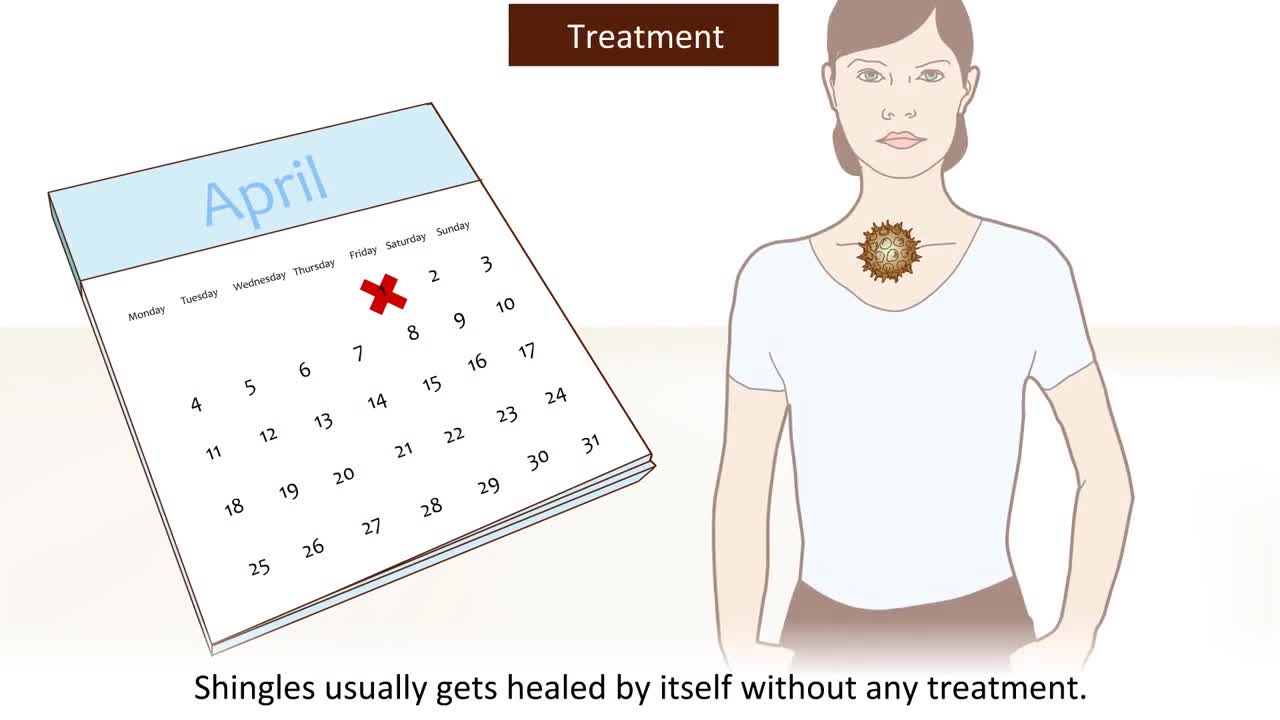
Antiviral medicines shorten the illness and reduce severity when started early, ideally within the first days of the rash, and are especially important for older people, facial or eye involvement, and anyone with weakened immunity. Pain relief ranges from simple painkillers to medicines targeting nerve pain when needed. Keeping the rash clean, covered, and undisturbed helps prevent skin infection, and loose clothing reduces irritation. Vaccination against shingles is recommended for eligible older and at risk adults and substantially lowers both the chance of shingles and of prolonged nerve pain.
When to seek care
Seek urgent care the same day for shingles on the face, near or in the eye, a widespread rash, or any shingles in someone with weakened immunity. Eye pain, redness, or vision change with facial shingles needs emergency assessment to protect sight.
Frequently asked questions
Can you catch shingles from someone else?
Shingles itself is not passed between people, because it is a reactivation of a virus already in the body. However, blister fluid can give chickenpox to someone who has never had it, so covering the rash and avoiding pregnant people and newborns is advised.
What is postherpetic neuralgia?
Postherpetic neuralgia is nerve pain that continues in the area of a shingles rash after the skin has healed. It is more common in older people and can last months or longer. Early antiviral treatment and shingles vaccination both lower the risk of this complication.
Can shingles come back?
Shingles can recur, although most people have it only once, because immunity is boosted by an episode but can wane again over time. Vaccination is still recommended for eligible adults who have had shingles, once recovered, to reduce the chance of another episode.
Why does the rash appear on only one side?
The virus reactivates in a single nerve root and travels along that nerve to the strip of skin it supplies, which lies on one side of the body. A blistering rash crossing the midline or appearing widely suggests a different diagnosis or weakened immunity needing assessment.
Related topics on MedicalVideos.com
Sources & further reading
Authoritative references for readers who want to go deeper:
This page is for general education only and is not medical advice. Shingles affecting the eye or face can permanently damage vision, so eye pain, redness, or any vision change with a facial rash needs emergency care.