
- Physical Examination
- Surgical Examination
- Ophthalmology
- Clinical Skills
- Orthopedics
- Surgery Videos
- Laparoscopy
- Pediatrics
- Funny Videos
- Cardiothoracic Surgery
- Nursing Videos
- Plastic Surgery
- Otorhinolaryngology
- Histology and Histopathology
- Neurosurgery
- Dermatology
- Pediatric Surgery
- Urology
- Dentistry
- Oncology and Cancers
- Anatomy Videos
- Health and Fitness
- Radiology
- Anaesthesia
- Physical Therapy
- Pharmacology
- Interventional Radiology
- Cardiology
- Endocrinology
- Gynecology
- Emergency Medicine
- Psychiatry and Psychology
- Childbirth Videos
- General Medical Videos
- Nephrology
- Physiology
- Diet and Food Health
- Diabetes Mellitus
- Neurology
- Women Health
- Osteoporosis
- Gastroenterology
- Pulmonology
- Hematology
- Rheumatology
- Toxicology
- Nuclear Medicine
- Infectious Diseases
- Vascular Disease
- Reproductive Health
- Burns and Wound Healing
- Kidney Zone Podcast
- Other
Potassium and Your Kidneys
Potassium keeps nerves and muscles, including the heart, working. Healthy kidneys keep its level steady; damaged kidneys may not.
Why it matters in kidney disease
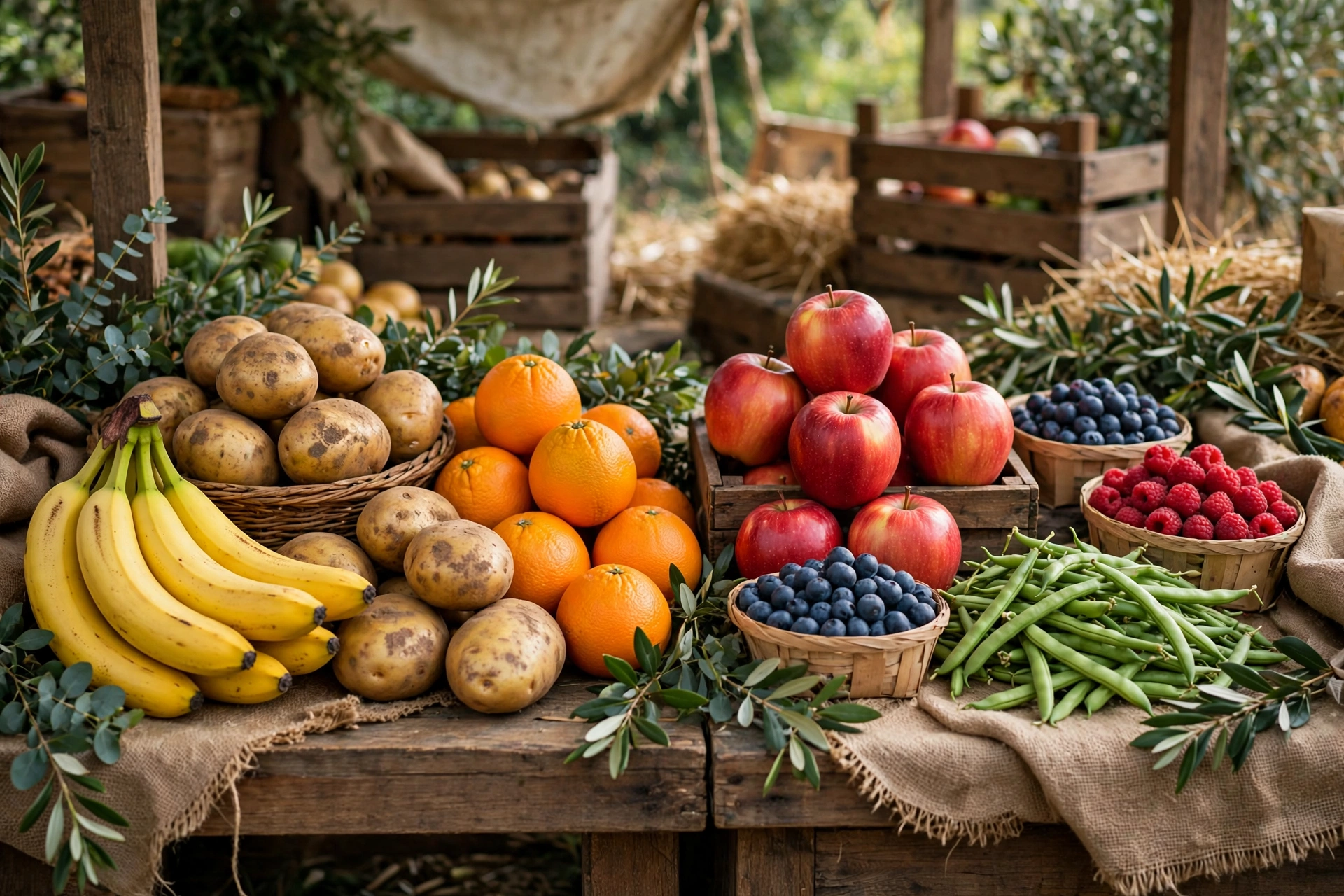
Potassium is a mineral that keeps nerves firing and muscles — above all the heart — contracting in rhythm. Healthy kidneys remove exactly the amount the body does not need. When kidneys fail, potassium can climb too high, which is dangerous because it disturbs the heart's rhythm, sometimes with no warning symptoms. In other situations, especially on peritoneal dialysis or with certain diuretics, potassium can fall too low, causing weakness and cramps.
The National Kidney Foundation counts a food as high-potassium when a serving provides 200 mg or more. That threshold explains this section's ratings — and why portion size can turn a 'low' food into a high one. Whether you need to limit potassium at all depends on your blood tests and medicines, not just your diagnosis.
Where it hides
- Salt substitutes and 'lite' salt (potassium chloride) — the most concentrated source of all
- Bananas, oranges and orange juice, melons, kiwi, mango, avocado, dried fruits
- Potatoes and sweet potatoes, tomatoes and tomato sauces and juice
- Cooked spinach and other cooked greens, beets, Brussels sprouts, mushrooms (cooked)
- Beans, lentils and dried peas; nuts, seeds and peanut butter
- Milk and yogurt in large amounts; chocolate
- Low-sodium processed foods, which sometimes add potassium chloride as a flavour enhancer
Practical swaps
- Banana or orange → apple, berries, grapes, pineapple, peach or a small plum (all on the National Kidney Foundation lower-potassium list)
- Orange juice → apple juice, grape juice or cranberry juice
- Potato → rice, pasta, noodles or corn (lower-potassium staples)
- Cooked spinach or greens → green beans, cabbage, cauliflower, peppers or lettuce
- Tomato-based sauces → olive oil, garlic and herb dressings or cream-free homemade sauces
- If you still want a higher-potassium vegetable: leaching — peeling, slicing thin, soaking for at least two hours in plenty of warm water, then boiling in fresh water — removes some (never all) of its potassium; ask your dietitian whether it is appropriate for you
Related conditions
Related symptoms
Watch: related videos
Frequently asked questions
My potassium is high. Must I avoid all fruit and vegetables?
No — and you should not, without advice. Many fruits and vegetables are lower in potassium (apples, berries, grapes, green beans, cabbage, cauliflower), and portions matter as much as choices. A dietitian can build a plan that keeps produce in your life while bringing potassium down. Medicines, constipation and blood sugar also affect potassium, so a high result deserves a review, not just a food ban.
Does cooking method change potassium?
Yes. Potassium leaks into cooking water, so boiling vegetables in plenty of water and discarding the water lowers their potassium; baking, roasting and microwaving keep more of it in. Leaching (soaking sliced vegetables before boiling) lowers it further. Never drink the cooking liquid or use it for gravy if you are limiting potassium.
These pages are general education about eating with kidney disease, dialysis or a kidney transplant. They are not medical advice and do not replace your own care plan. Kidney diets are individual: what is right for you depends on your stage, your blood tests, your medicines and your other conditions. Always talk to your care team or renal dietitian before changing what you eat, and never stop or change a medicine because of something you read here.