
- Physical Examination
- Surgical Examination
- Ophthalmology
- Clinical Skills
- Orthopedics
- Surgery Videos
- Laparoscopy
- Pediatrics
- Funny Videos
- Cardiothoracic Surgery
- Nursing Videos
- Plastic Surgery
- Otorhinolaryngology
- Histology and Histopathology
- Neurosurgery
- Dermatology
- Pediatric Surgery
- Urology
- Dentistry
- Oncology and Cancers
- Anatomy Videos
- Health and Fitness
- Radiology
- Anaesthesia
- Physical Therapy
- Pharmacology
- Interventional Radiology
- Cardiology
- Endocrinology
- Gynecology
- Emergency Medicine
- Psychiatry and Psychology
- Childbirth Videos
- General Medical Videos
- Nephrology
- Physiology
- Diet and Food Health
- Diabetes Mellitus
- Neurology
- Women Health
- Osteoporosis
- Gastroenterology
- Pulmonology
- Hematology
- Rheumatology
- Toxicology
- Nuclear Medicine
- Infectious Diseases
- Vascular Disease
- Reproductive Health
- Burns and Wound Healing
- Kidney Zone Podcast
- Other
Muscle cramps
Category: Muscles, Bones & Joints · All muscles & joints symptoms
What it can feel like
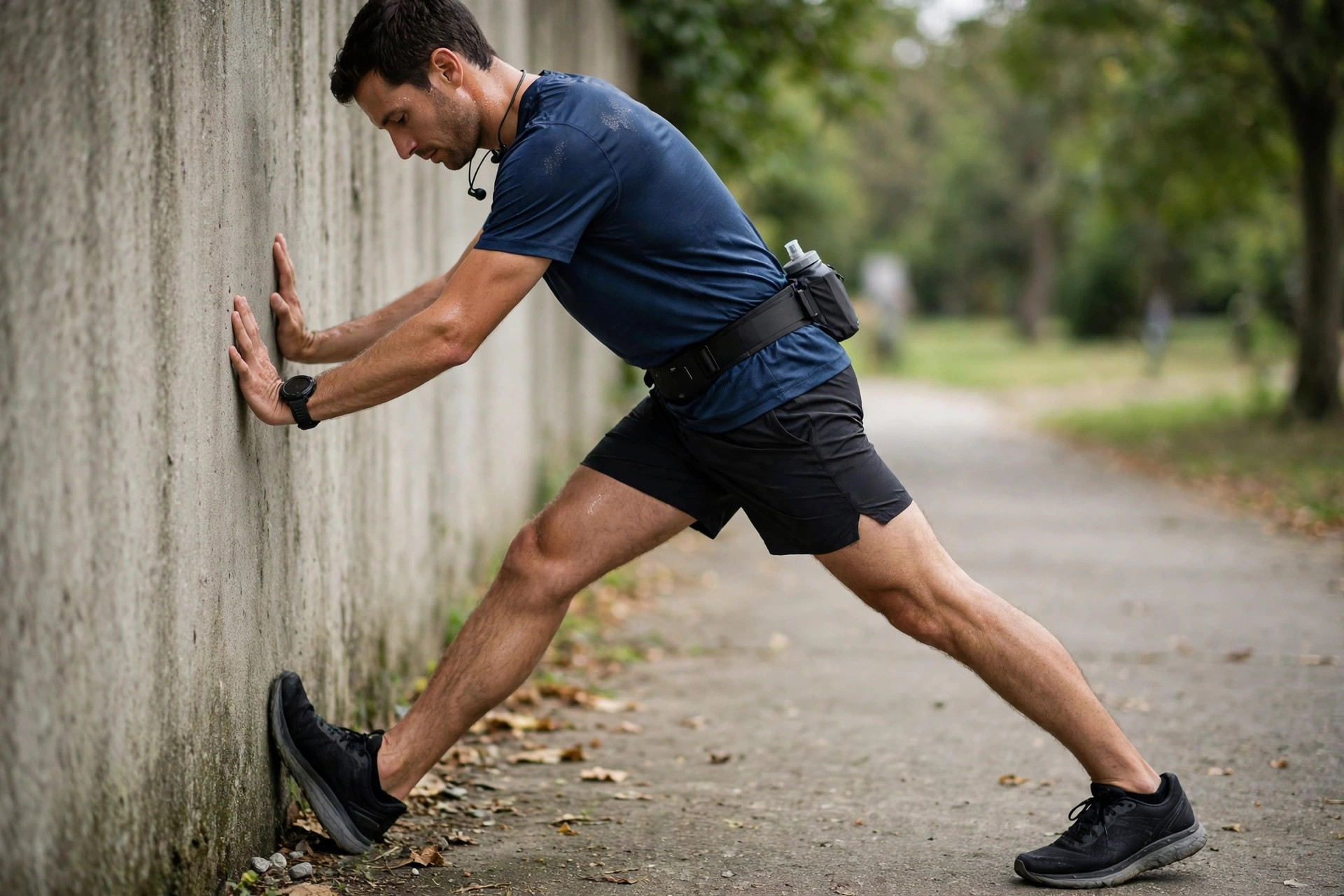
A muscle cramp is a sudden, involuntary, painful contraction of a muscle — classically the calf or foot — that locks the muscle rock-hard for seconds to minutes before releasing, sometimes leaving soreness behind. Cramps during or after exercise and at night are extremely common.
Possible causes
A symptom can have many causes, and most are not serious. The lists below group conditions this symptom can be associated with — common causes first. They are possibilities to discuss with a clinician, not a diagnosis.
Common causes
Cramps can be associated with exercise, dehydration and salt loss in heat, holding a position for long periods, pregnancy, and medicines such as diuretics and some asthma inhalers.
Other possible causes
Frequent cramps can be associated with low calcium, magnesium or potassium, thyroid problems, kidney disease, narrowed leg arteries, and nerve conditions. Cramps that come with weakness or wasting of muscles need a neurological look.
Red flags — when to seek help promptly
- Cramps with dark, cola-coloured urine or severe muscle pain after exercise
- Cramps accompanied by progressive muscle weakness or twitching
- Cramps in someone on dialysis, or with kidney disease and vomiting
- A cramp-like pain where the muscle stays swollen, hard and increasingly painful
What a clinician may do
A clinician will ask about pattern, medicines, exercise and fluid losses, and examine the muscles and circulation. Blood tests for salts, calcium, kidney and thyroid function are arranged for frequent cramps; stretching the muscle during an attack, and regular stretching before bed, helps many people.
Related guides on MedicalVideos.com
Frequently asked questions
What actually relieves a cramp fastest?
Forceful stretching of the cramped muscle — for the calf, pulling the toes up towards the shin — switches off the contraction through the muscle's own reflexes. It works faster than massage or heat, though soreness may linger for a day.
Are cramps a sign of low magnesium?
Sometimes blood abnormalities contribute, but most ordinary cramps have normal blood tests. Supplements are widely used; the evidence is strongest for quinine historically (now restricted) and weakest for magnesium in non-pregnant adults — stretching programmes have better support.
Related symptoms — Muscles, Bones & Joints
Browse the M section of the A–Z list or return to the Symptoms A–Z hub.